Algeria's steel industry currently operates with an estimated capacity of 8.7 million tons per year, securing its position as the third largest producer within the Arab world. This significant operational capacity shows Algeria's growing influence in the regional industrial landscape. Energy Research presented this ranking of Arab countries based on their operational capacity in the steel sector. The assessment notes Algeria's significant role in regional steel production, demonstrating its commitment to industrial development and self-sufficiency. This ranking is a key indicator of the country's industrial strength and its contribution to the wider Arab economy.
Regional Steel Capacities
Egypt holds the leading position in the Arab world's steel industry, boasting an operational capacity of 15.6 million tons per year. This makes Egypt the foremost steel producer in the region, reflecting its substantial industrial infrastructure. Following Egypt, Saudi Arabia ranks second, with a steel production capacity of 12 million tons annually, solidifying its strong presence in the market. The top ten Arab countries combined demonstrate significant industrial strength, collectively possessing operating capacities that exceed 59 million tons of steel per year. This collective capacity showcases the Arab world's substantial contribution to global steel production and its strategic importance in the industry. The full ranking provides a clear picture of the distribution of steel manufacturing capabilities across the region, with each country playing a distinct role in the overall output.
Algeria's Industry Focus
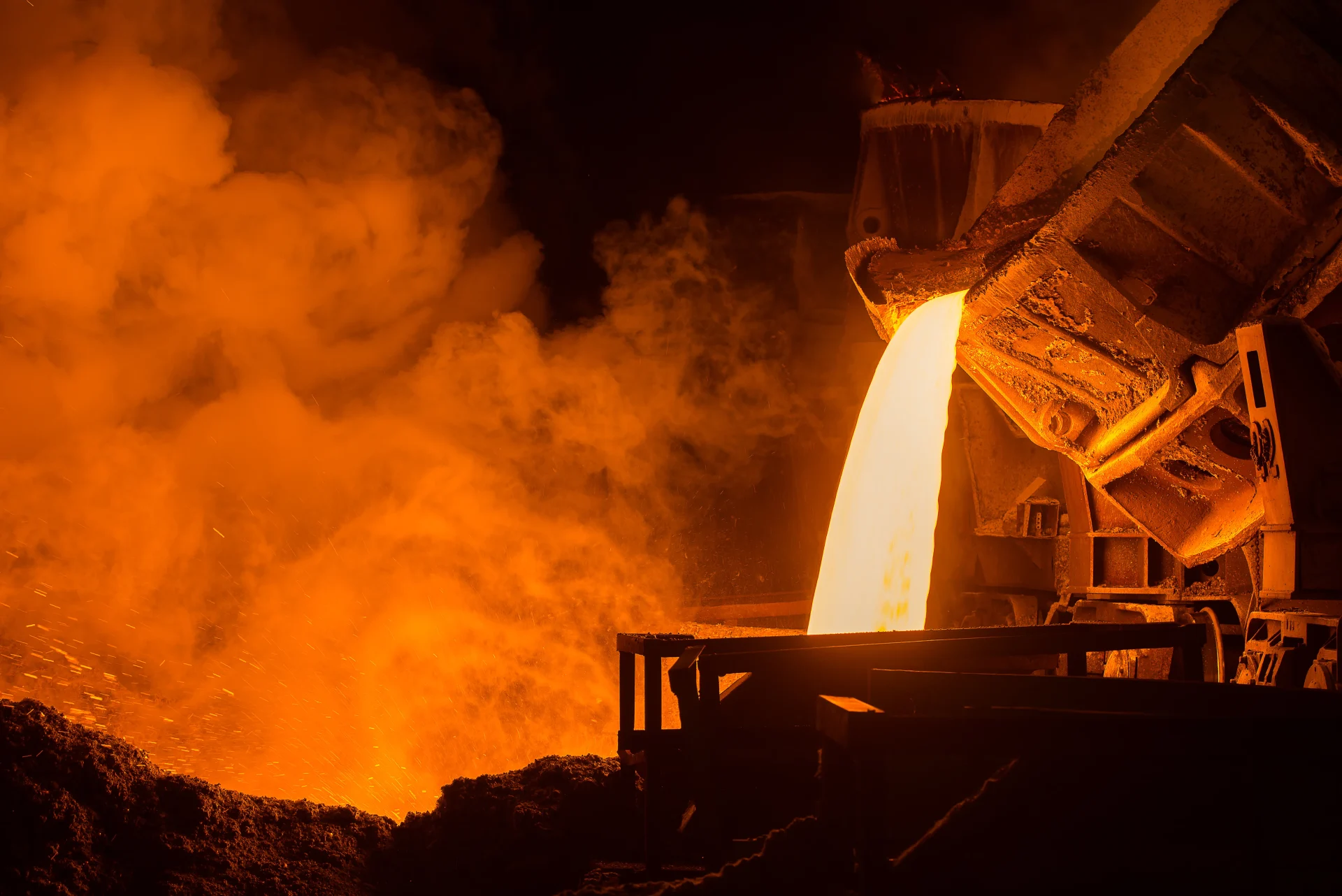
Algeria's steel industry utilizes electric arc furnaces, a technology recognized for its efficiency and lower pollution levels compared to traditional coal-based furnaces. This adoption of advanced technology reflects a modern approach to industrial production, aiming for both productivity and environmental responsibility. The sector's primary objective is to satisfy the domestic demand for construction materials and various metal products. This strategic focus also aims to significantly reduce the nation's reliance on imported steel goods, fostering greater economic independence and stability. By prioritizing local production, Algeria seeks to bolster its national economy and ensure a steady supply of essential materials for its development projects. The emphasis on meeting internal market needs is a cornerstone of the country's industrial policy.
Global Steel Context
Globally, the steel industry operates with a production capacity exceeding 2.2 billion tons. This figure notes the immense scale of the worldwide steel sector, contrasting with regional capacities and emphasizing the sheer volume of global material production. Algeria's 8.7 million tons capacity positions it within this broader international context, demonstrating its contribution to global material production. The overall Arab world's operational capacity, exceeding 59 million tons annually, represents a notable segment of the global output. This emphasizes the significant role played by countries like Egypt and Saudi Arabia, with their respective capacities of 15.6 million tons and 12 million tons, in the international steel market. The global landscape of steel production is vast and competitive, and the Arab region's collective output is a testament to its growing industrial might.
Industry Confirmation
Algeria holds the third position in the Arab world for steel production capacity, a significant achievement for its industrial sector. This ranking places Algeria behind Egypt, which leads with an operational capacity of 15.6 million tons, and Saudi Arabia, which ranks second with 12 million tons. The United Arab Emirates follows Algeria with 5.1 million tons, securing the fourth spot. Morocco and Oman share the next positions at 3.3 million tons and 3.2 million tons respectively, with Iraq also contributing 3.2 million tons to the regional total. Qatar records 2.9 million tons, Syria 2.4 million tons, and Libya 1.7 million tons, completing the top ten list of Arab countries by steel production capacity. This detailed breakdown of capacities shows the diverse and strong nature of the steel industry across the Arab world, with each nation contributing to the region's overall industrial output.