Algeria submitted its updated Nationally Determined Contribution (NDC) to the UNFCCC secretariat in August 2026. This submission outlines the country's formal climate strategy for the coming decade. Algeria targets a 14% reduction in greenhouse gas emissions by 2035 as part of these updated commitments. The submission serves as the primary framework for the nation’s environmental transition goals within the international climate agreement structure. Officials finalized the documentation to align with current global standards for emission reporting and mitigation planning. The document defines the specific path for the country to reach its identified environmental targets over the next nine years.
Constitutional and Strategic Climate Commitments
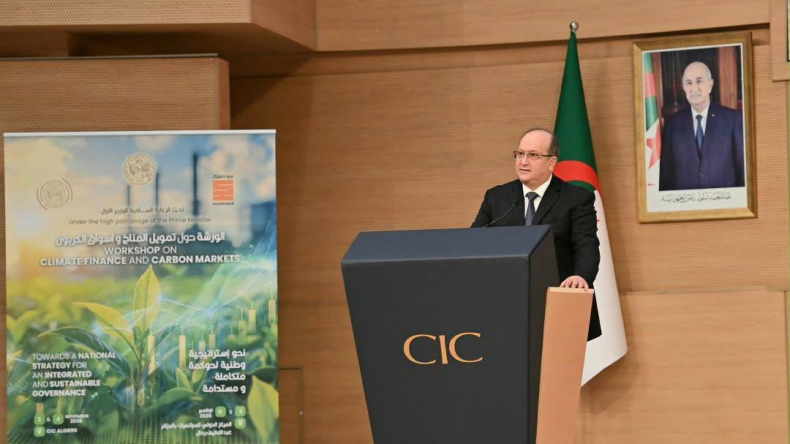
Algeria incorporated climate change issues into its 2020 constitution, establishing a legal foundation for national environmental policy. This constitutional amendment mandates the integration of sustainability principles into government planning and development projects. Prime Minister Sifi Ghrab (سيفي غريب) stated, "الجزائر تعمل على ترسيخ التزامها المناخي ضمن رؤية توازن بين متطلبات التنمية الوطنية والمسؤوليات البيئية."
The government subsequently adopted a national strategy for green hydrogen in 2023 to support its energy transition objectives. This strategy outlines the framework for developing hydrogen production capabilities to reduce dependence on traditional energy sources. Officials designed the plan to align industrial growth with the emission reduction targets specified in the nation’s climate commitments. Implementation of these hydrogen initiatives remains a core component of the country's efforts to diversify its energy portfolio while meeting updated international reporting standards.
Targeting Methane Emission Reductions
Algeria aims to reach zero methane emissions by 2030 as part of its updated climate policy. This target requires the implementation of new technical measures across the hydrocarbon sector to eliminate venting and flaring. State energy company سوناطراك (Sonatrach) holds the responsibility for overseeing the infrastructure upgrades necessary to meet this deadline. Energy Minister محمد عرقاب (Mohamed Arkab) confirmed the national schedule for these reductions, which focuses on modernizing existing processing facilities and monitoring pipeline integrity.
Algeria could increase its total emission reduction target to 31% by 2035 if necessary international support is secured. This conditional figure represents an escalation from the 14% unconditional reduction target previously established in the national climate strategy. Financial and technological assistance from global partners would allow the government to expand mitigation projects beyond current domestic capabilities. سونلغاز (Sonelgaz) and other national entities would manage the deployment of these additional resources to achieve the higher reduction threshold. Officials designed this tiered approach to provide flexibility, enabling the country to adjust its environmental performance based on the availability of external funding and technical cooperation.