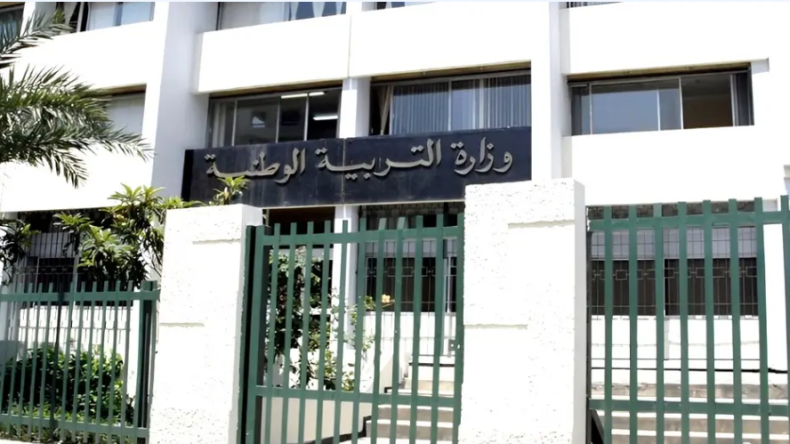
Algeria's Ministry of National Education has mandated that its provincial directorates adopt a unified internal system for educational institutions, which includes provisions for private drug testing for students. The Ministry of National Education specifically ordered its provincial directorates to adhere to this full unified internal system for all educational institutions under its purview. A directive, number 460, issued on September 7, requested the Director General of Education to implement this system, beginning with the 2026/2027 school year on September 21. This directive shows a significant policy shift aimed at standardizing practices across Algeria's educational landscape. Article 36 of the unified internal system specifies that students, excluding primary school students unless it is deemed in their best interest, will be subject to drug and/or psychotropic substance detection tests. For minors, Article 39 stipulates that the guardian, or a juvenile judge if necessary, must be informed of positive test results, while adult students will be notified directly. This full framework is set to reshape student conduct and welfare protocols within Algerian schools.
Unified System Details
The unified internal system, introduced by the Ministry of National Education, incorporates new provisions and amended articles intended to align with current educational developments. These updates reflect a proactive approach to addressing contemporary challenges and ensuring a conducive learning environment. Inspection and follow-up bodies are responsible for verifying adherence to this system within educational institutions, playing a key role in its effective implementation and monitoring across all schools. Their oversight will ensure that the new regulations are uniformly applied and maintained.
Article 35 of the new system explicitly prohibits behaviors deemed contrary to morals, including the possession, introduction, or use of weapons, explosives, or other dangerous materials. This measure aims to enhance safety and security within school premises. It also specifically forbids the possession, consumption, or promotion of tobacco, e-cigarettes, drugs, psychotropic substances, and energy drinks within schools, reinforcing a healthy and drug-free environment for students. Article 33 outlines expectations for the educational community, requiring a clean appearance and appropriate attire. This article specifically prohibits strange hairstyles, makeup, ripped clothing, or any attire considered contrary to public morals, emphasizing the importance of maintaining a respectful and disciplined academic setting.
Regarding academic protocols, Article 20 specifies that a student who is absent from a test due to a valid excuse will have the opportunity to reschedule the assessment. This provision offers flexibility for unforeseen circumstances. However, if no valid excuse is provided, the student will receive a zero grade for that test, enforcing accountability for attendance. Article 21 addresses academic integrity, mandating a zero grade for any proven instance of cheating, attempted cheating, or forgery during an assessment. Students in middle and secondary school found in violation of this article will be immediately referred to the disciplinary council, noting the severity with which academic dishonesty is treated within the new system.
The system also details regulations for school canteens. Article 25 requires students to eat calmly within the school canteen and prohibits them from bringing food in or taking it out. This regulation aims to maintain order and hygiene within dining areas. This article further stipulates that guardians will be held financially responsible for any intentional damage caused by their children to canteen utensils. Guardians are also expected to provide compensation for other educational equipment that may be damaged, ensuring accountability for school property. Finally, Article 32 advises both students and staff against bringing valuables or large sums of money to school, stating that the institution will not be liable for any loss or theft of such items, thereby mitigating potential security risks and liabilities for the school.
Testing Procedures and Consent
Strict controls have been imposed on school principals regarding decisions to conduct drug or psychotropic substance tests for students. According to the Ministry of National Education's unified internal system, Article 37 outlines the specific conditions under which a school principal may request such tests. These tests are to be carried out by units' doctors, in adherence to Executive Decree No. 26-77, which is dated January 14, 2026. This decree provides the legal and procedural framework for the medical aspect of the testing.
The system specifies three primary scenarios for initiating drug or psychotropic substance testing. Testing may be conducted if it is part of scheduled periodic medical check-ups for students, ensuring routine health monitoring. Alternatively, tests can be requested if a behavioral disturbance is observed in a student, suggesting a potential issue that warrants investigation. The third condition permits testing when there is 'reasonable suspicion' that a student may be involved with drugs or psychotropic substances, allowing for targeted intervention based on specific concerns. These criteria ensure that testing is not arbitrary but based on clear guidelines.
For minor students, Article 38 mandates a consultation process before any testing proceeds. The school principal is required to engage with the legal guardian of the minor student and must obtain their explicit written consent for the test to take place. This step ensures that parents or legal guardians are fully informed and agree to the testing procedure for their wards, upholding the rights of minors and their guardians.
Should a legal guardian refuse to provide consent for a minor student to undergo drug or psychotropic substance testing, the unified system provides a clear escalation path. In such instances, the school principal is then obliged to seek approval from the juvenile judge. This provision shows the legal framework governing decisions concerning minors' welfare and medical procedures within the educational context, ensuring that decisions are made in the best interest of the child and with appropriate legal oversight.
For students who are considered adults, the consent process differs. The principal must directly request their personal consent for testing. This request must be made in the presence of their guardian, ensuring transparency and appropriate oversight even for adult students. This procedure acknowledges the adult student's autonomy while still involving their guardian in significant decisions regarding their health and well-being.
A refusal by an adult student to provide personal consent for drug or psychotropic substance testing carries specific consequences under the new regulations. If an adult student declines to be tested, their case will be referred to the disciplinary council. This indicates the seriousness with which the Ministry views compliance with the testing protocols, reinforcing the importance of adhering to the system's provisions.
Finally, Article 40 of the unified internal system emphasizes a critical obligation following any drug or psychotropic substance detection. It stipulates that guardians, in the case of minor students, or adult students themselves, must be informed about the mandatory nature of undergoing treatment measures. These measures are explicitly stipulated in Law No. 04-18, dated December 25, 2004, noting the legal requirement for intervention and support after a positive test result, focusing on rehabilitation rather than mere detection.
Privacy and Non-Punitive Measures
The Ministry of National Education's unified internal system emphasizes maintaining complete confidentiality throughout the drug testing process. This measure is intended to safeguard the dignity and privacy of all individuals involved, thereby preventing any potential social stigma associated with the tests. The protocols are designed to ensure that personal information and test results remain private, protecting students from public disclosure and fostering an environment of trust.
Article 41 of the unified internal system explicitly prohibits punitive, disciplinary, exclusionary, or pedagogical marginalization measures against students who receive positive test results for drugs or psychotropic substances. This provision shows a non-punitive approach, focusing instead on support and intervention rather than punishment. The Ministry's directive aims to ensure that students testing positive are not subjected to academic or social discrimination within educational institutions. This framework mandates that educational and administrative responses prioritize the well-being and continued integration of affected students into the school environment, aligning with the broader objective of addressing substance use through treatment rather than exclusion.
Broader School Regulations
The unified internal system also outlines specific regulations regarding technology use within schools. Article 42 permits students to use school computers and tablets exclusively for educational purposes, provided they are under direct supervision. This ensures that technological resources are utilized effectively and responsibly for learning. Article 43 strictly prohibits students from bringing or using personal mobile phones, smart devices, or recording equipment within classrooms and pedagogical facilities, aiming to minimize distractions and maintain focus during lessons. The use of information technology and communication tools for pedagogical purposes requires prior written authorization from the institution's administration, ensuring controlled and approved integration of technology into the curriculum. Article 44 prohibits any photography, audio/visual recording, or publication of images of students, teachers, staff, or school facilities on social media or personal digital systems without official written authorization from the Director of Education. This measure protects the privacy and image rights of all members of the school community.