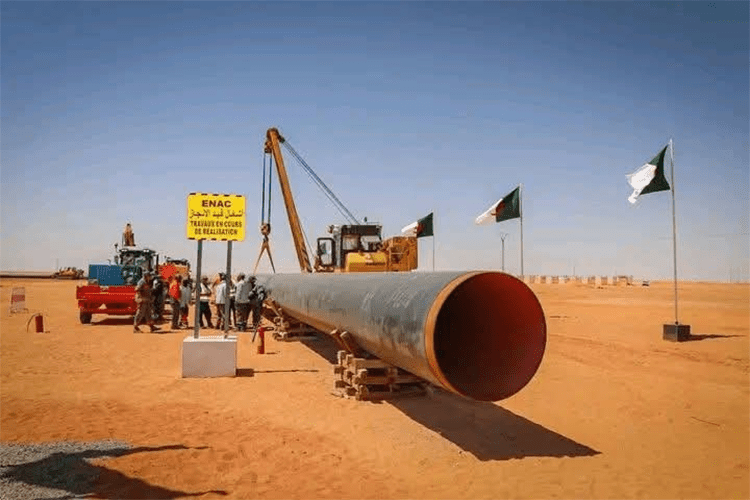
Algeria announced the launch of construction works on a new section of the trans-Saharan Algeria–Nigeria gas pipeline through Niger, according to a report dated June 5, 2026. This development marks a significant step for the long-planned energy infrastructure project, which aims to transport natural gas from Nigeria across the Sahara Desert. The pipeline's progress is expected to bolster Algeria's position as a key energy transit hub, providing an alternative route for Nigerian gas to reach European markets. The initiation of this construction phase shows a firm commitment from the participating nations to advance energy cooperation and enhance regional energy security.
Pipeline Project Details
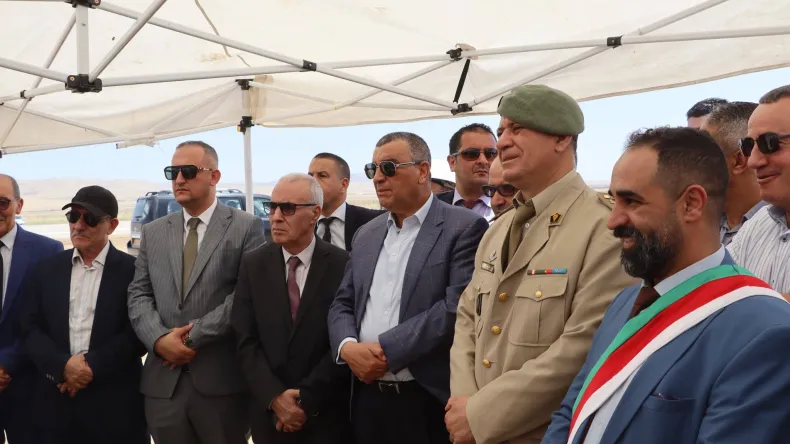
The new ceremony for the Algerian project occurred in the Aoulef region of Adrar Province in southern Algeria. This location was chosen to mark the formal start of the new section of the trans-Saharan pipeline within Algerian territory. Energy Minister Mohamed Arkab attended the event, signifying the Algerian government's high-level support and strategic interest in the project's success. Nigeria’s Minister of State for Petroleum Resources (Gas) Ekperikpe Ekpo was also present, showing the collaborative nature of the initiative and Nigeria's role as the primary source of the natural gas. Niger’s Minister of Petroleum Hamadou Téné participated in the ceremony, representing another key partner nation through which the pipeline will traverse, noting the trilateral cooperation. Sonatrach CEO Noureddine Daoudi attended, signifying the direct involvement of Algeria's national oil company in the pipeline's development and its operational future. The ceremony brought together high-ranking officials from the three involved countries, noting the project's regional importance and the shared vision for its completion. The participation of these key figures at the Aoulef site emphasized the strategic significance of this infrastructure for the energy landscape of Africa and Europe.
Morocco's Competing Project
The Moroccan regime’s propaganda promoted a hypothetical Morocco–Nigeria gas pipeline project. This initiative was presented as an alternative route for Nigerian gas, directly competing with the trans-Saharan pipeline project now under construction through Algeria and Niger. The promotion of the Moroccan project occurred as Algeria advanced its own pipeline development, suggesting a strategic rivalry in securing a key role in African energy transit. The Moroccan proposal, often noted in state-controlled media, aimed to position Morocco as a key link between African gas producers and European consumers. This promotional effort sought to divert attention and potential investment from the established trans-Saharan route, emphasizing a different geopolitical and logistical approach to gas transportation.
Geopolitical Implications
The Moroccan project, which has been promoted as an alternative to the trans-Saharan pipeline, is intended to transport gas from southern Nigeria. This proposed route would traverse 14 countries along Africa’s western coast before reaching Europe. The article indicates that these 14 nations are described as "problem-ridden countries," suggesting potential challenges related to political stability, security, and regulatory frameworks that could complicate such an ambitious undertaking. The extensive number of national jurisdictions involved in the Moroccan proposal presents significant logistical and political complexities, given the diverse geopolitical landscapes it would need to navigate.
The current advancement of the Algerian-led trans-Saharan pipeline through Niger suggests a direct competition for the role of the primary conduit for Nigerian gas destined for international markets, particularly Europe. The two projects present contrasting visions for energy infrastructure development in the region, with distinct implications for regional cooperation and energy security. The Algerian initiative's progress shows a strategic move to solidify its position as a key energy transit nation, directly challenging the narrative and feasibility of the Moroccan proposed route. The successful implementation of the trans-Saharan pipeline could significantly alter energy dynamics in the region, offering a more direct and potentially more secure pathway for Nigerian gas to global markets, bypassing the complexities associated with the proposed coastal route.