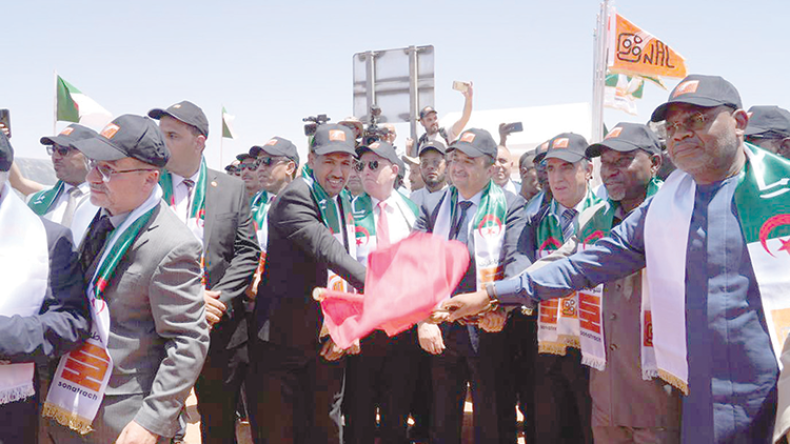
Algeria has officially inaugurated the works on its section of the Trans-Saharan Gas Pipeline project, a significant undertaking that has been in conceptualization for approximately 25 years. This decades-old initiative, first conceived a quarter-century ago, is now moving into a critical construction phase on Algerian soil. The pipeline is designed with the capacity to transport over 20 billion cubic meters of gas annually from Nigeria, traversing through Niger before reaching Algeria. Officials have emphasized that the project is being implemented in accordance with directives from the President of the Republic, Abdelmadjid Tebboune. President Tebboune's directives specifically show the critical importance of African cooperation and strong South-South partnerships as foundational principles for such extensive regional infrastructure developments. The pipeline's strategic objective is to connect Nigerian gas fields directly to Algerian export facilities, thereby potentially offering a key new supply route to European markets. This development marks a substantial step forward in realizing a long-held vision for enhanced energy connectivity across the continent.
Project Details and Scope of the Algerian Section
The Algerian section of the Trans-Saharan Gas Pipeline is a monumental engineering feat, set to span an impressive 1210 kilometers within Algeria's borders. Works on this particular segment involve the careful process of welding 48-inch diameter pipes, a standard size for major gas transmission lines, ensuring high capacity and efficiency. The Algerian section is strategically designed to smoothly connect to existing national pipelines that lead to Hassi Rhome. From Hassi Rhome, the gas can then be efficiently transported to key export terminals located at Beni Saf or El Kala, facilitating its onward journey to European markets.
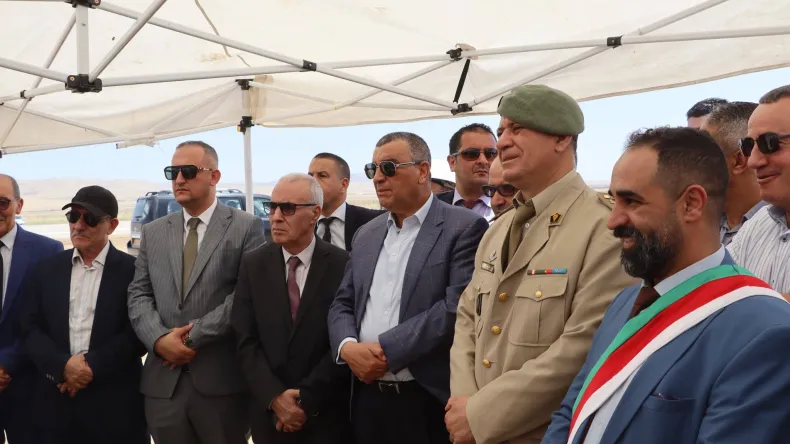
Beyond its primary role as a conduit for the Trans-Saharan project, the Algerian section will also serve a dual purpose. It will be utilized to transport and valorize additional gas produced within Algeria itself. This includes significant gas volumes from the promising Southwest basins, such as the Ahnet basin, thereby greatly enhancing the country's domestic energy infrastructure and maximizing the value of its natural resources. The official inauguration ceremony for the construction took place in Oulfa, a locality situated in the Adrar province, marking the formal and ceremonial commencement of work on this strategically vital energy project. The event showed Algeria's commitment to advancing the project from planning to tangible execution.
Continental Cooperation and Inter-State Agreements
The three involved countries – Algeria, Niger, and Nigeria – have reached a key consensus, agreeing to adopt the full results of the feasibility study that was expertly conducted by PENSPEN. This agreement represents a key moment, allowing the project to decisively move forward from theoretical assessment to practical implementation. Niger's Minister of Petroleum, Hamadou Tainy, provided an update on his country's progress, confirming that Niger has already initiated collaborative work with Algeria on the Nigerien section of the pipeline. Minister Tainy articulated the project's current status, stating, "The Trans-Saharan Gas Pipeline project has entered a decisive phase after years of preparation and coordination between the three countries." He further praised the foresight and unwavering vision of the leaders of Algeria, Niger, and Nigeria, who, despite numerous challenges over the years, maintained their strong belief in the project's ultimate realization, bringing it now "closer than ever to field realization."
Looking ahead, Niger plans to launch the main construction work on its section of the pipeline in early 2027, demonstrating a clear timeline and commitment. Meanwhile, Nigeria has unequivocally affirmed its steadfast commitment to ensuring the consistent supply of the programmed gas quantities once the pipeline is operational. Nigeria will also proceed diligently with its own implementation steps for the project, aligning with the coordinated efforts of the three nations. This tripartite commitment underlines the collaborative spirit driving this ambitious regional energy initiative.
Ministerial Reactions and Firm Commitments
The Trans-Saharan Gas Pipeline project, whose inception dates back approximately 25 years, is consistently described by officials as a strategic and truly continental undertaking. It serves as a unifying force, bringing together Algeria, Niger, and Nigeria in a shared energy initiative that promises mutual benefits and enhanced regional energy security. The project also distinctly aims to enhance the value and marketability of Algeria's promising gas fields located in the Southwest, with specific mention given to the rich reserves of the Ahnet basin. This aspect notes the pipeline's role in unlocking and monetizing Algeria's indigenous gas resources.
Nigeria's Minister of State for Petroleum Resources, Ekperikpe Ekpo, conveyed his profound admiration for Algeria's advanced state of preparedness and the significant advancements already made in the project. During his observations, Minister Ekpo remarked, "What I saw in Algeria reflects an advanced level of readiness to implement the Trans-Saharan Gas Pipeline project, and I am impressed by the progress of preparations and the practical steps taken to realize this strategic project." He further elaborated on the tangible progress witnessed in Algeria, noting, "What was observed in Adrar confirms Algeria's readiness to move forward with the project, considering the launch of works as tangible proof of the project moving from the planning stage to the actual execution stage." These insightful remarks from the Nigerian minister show the significant strides made by Algeria in bringing the long-planned pipeline to fruition, transitioning it from a conceptual framework to a concrete, actively developing infrastructure project. The collective efforts and commitments from all three participating nations are key for the successful completion and operationalization of this transformative energy corridor.