Algeria's government has granted expanded powers to the Minister of Foreign Trade and Export Promotion, aiming to strengthen control over foreign trade and monitor import/export operations. These broader powers were conferred through a new executive decree signed by Prime Minister Aïmene Benabderrahmane. The move is intended to combat issues like invoice manipulation, a practice that has affected the country's economic stability. The decree empowers the minister with broader authority in overseeing international commercial transactions and enhancing the state's oversight capabilities.
New Ministerial Authority Defined
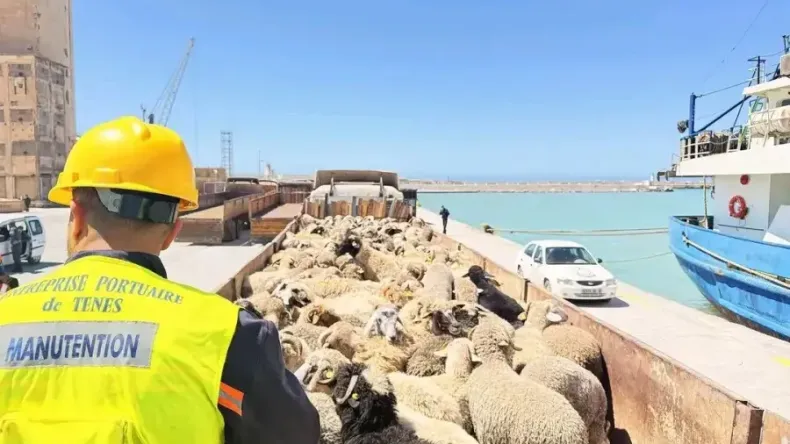
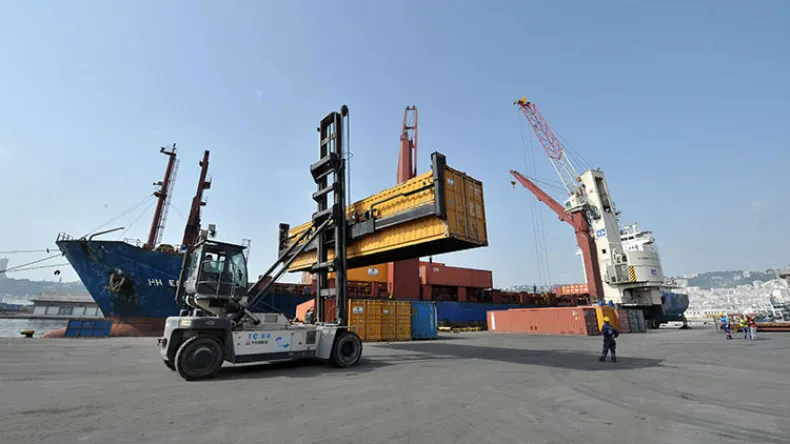
The Minister of Foreign Trade and Export Promotion will now define Algeria's national policy for foreign trade control and oversee import/export operations. This includes monitoring activities at land and air border crossings, ports, free zones, and bonded warehouses, ensuring full surveillance of all entry and exit points for goods. New responsibilities for the Minister extend to supervising the import and export of services, implementing automatic import licenses, and taking action against illegal international trade practices. These practices encompass dumping, subsidies, and import surges that could threaten domestic production. The expanded authority is detailed in a new article, '6 bis', which has been added to the executive decree, specifically outlining the Minister's functions in foreign trade control and specifying the scope of these new responsibilities. This addition clearly delineates the enhanced role of the Minister in safeguarding Algeria's economic interests against illicit trade activities.
Context of Invoice Manipulation
The expanded ministerial powers are outlined in Executive Decree No. 26-199, dated 28 Dhu al-Qi'dah 1447 AH (May 16, 2026), which amends an earlier decree, Executive Decree No. 25-97 dated 11 Ramadan 1446 AH (March 11, 2025). This legislative action targets persistent issues within Algeria's trade system, particularly concerning invoice manipulation. President Abdelmadjid Tebboune previously commented on the challenges of combating illicit trade practices, noting the dynamic nature of these activities. Tebboune stated that after the state successfully "eliminated a gang inflating invoices," it subsequently "encountered another gang deflating them," noting the ongoing struggle to maintain fair trade practices. These manipulations often aim to evade taxes, illicitly transfer funds, or gain unfair market advantages, significantly impacting the national economy and state revenues. The continuous evolution of these illicit methods necessitates a strong and adaptable regulatory framework.
President Tebboune's Remarks
The expanded powers granted to the Minister of Foreign Trade and Export Promotion follow recent statements made by President Abdelmadjid Tebboune regarding the financial impact of import invoice manipulation. Tebboune previously indicated such illicit practices had cost the state treasury an estimated $350 million. This significant financial loss shows the government’s motivation to implement stricter controls and grant broader authority to combat trade irregularities. The new measures are a direct response to these reported losses and the ongoing challenges in ensuring transparent and fair international trade practices for Algeria. The President's remarks have provided a clear impetus for the legislative changes now being implemented.
Scope of New Powers
The Minister of Foreign Trade and Export Promotion will now monitor risk indicators associated with invoice inflation or deflation in both import and export operations. This expanded authority aims to provide closer oversight of trading practices and proactively identify potential abuses. Additionally, the Minister will assume responsibility for the management of free zones, special economic zones designated for export activities, and the establishment of logistical rules governing trade. These new responsibilities are part of a broader effort to enhance control and transparency within Algeria's foreign trade sector. The measures are intended to counter illicit financial flows, ensure compliance with trade regulations, and ultimately protect the national economy from detrimental practices.