Algeria is projecting a new record for its exports, aiming to reach approximately $7 billion by the end of 2026. This forecast follows a significant increase in recent years, particularly within Africa. Algerian exports reached $6.6 billion in 2022, marking a record for the country at that time. This figure represents a substantial rise from just a few years prior, when Algerian exports to the African continent were around $400 million. The projected growth shows an expanding trade footprint for Algeria and notes the nation's strategic pivot towards continental economic integration. This ambitious target of $7 billion by the end of 2026 represents a continued upward trajectory, building on the momentum established in previous years and reflecting a sustained effort to diversify revenue streams. The significant leap from $400 million a few years ago to current projections demonstrates the rapid acceleration of Algeria's engagement with African markets.
African Market Expansion
Algeria's non-hydrocarbon exports to African markets have shown rapid growth, doubling from approximately $1.5 billion in the first half of 2025 to nearly $3 billion in the first half of 2026. This expansion reflects a broader strategy to diversify Algeria's economic base beyond its traditional energy sector. The substantial year-on-year increase in non-hydrocarbon exports to the continent shows the effectiveness of Algeria's focus on developing new export-oriented industries and strengthening its commercial ties with neighboring countries. This growth is a key indicator of the country's success in reducing its reliance on oil and gas revenues, fostering a more resilient and diversified economy.
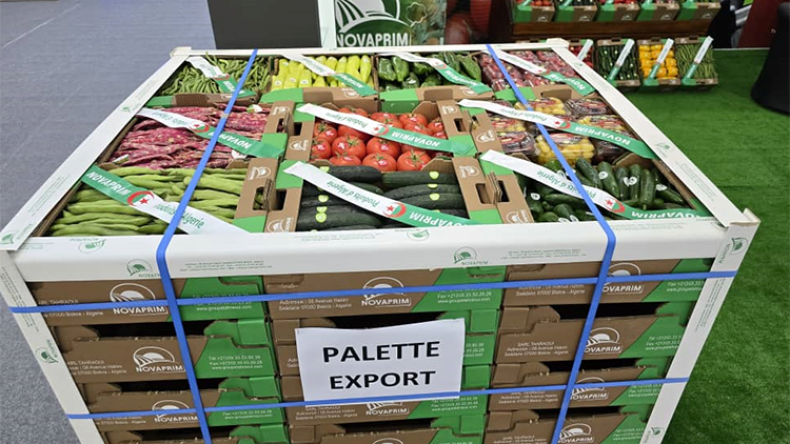
Beyond core non-hydrocarbon goods, home appliances and pharmaceuticals are also beginning to establish a presence in various African markets. This diversification extends to agricultural products as well. Date exports have seen a significant increase, rising from about $120 million to approximately $250 million currently. Projections indicate that date exports are expected to reach $300 million by the end of the year, further contributing to the country's export revenue. The growth in these sectors notes Algeria's expanding product range and its increasing competitiveness within the continent. The entry of Algerian home appliances and pharmaceuticals into African markets signifies a broader industrial development, indicating that the country is not only exporting raw materials or semi-finished goods but also value-added manufactured products. This trend is key for long-term economic stability and job creation within Algeria. The agricultural sector, particularly date production, is also emerging as a significant contributor to export growth, showcasing the potential of Algeria's diverse economic capabilities.
Logistics and Infrastructure Boost
Building materials, specifically cement and iron, currently represent the leading Algerian exports to African markets, with fertilizers following closely behind. These primary exports show the foundational role Algeria plays in supplying essential goods for infrastructure development across Africa. The demand for these materials reflects the ongoing growth and construction boom in many African nations, positioning Algeria as a key regional supplier. Efforts to streamline export processes have seen approximately 30 proposals previously submitted to support exporters. These proposals aim to reduce bureaucratic hurdles, enhance efficiency, and provide greater incentives for Algerian businesses looking to enter or expand within African markets. Enhancing logistical networks is a key focus for expanding trade, recognizing that efficient transportation is critical for competitive pricing and timely delivery.
The maritime line that connects Algeria to Nouakchott and Dakar has been commended for its role in facilitating trade. This route provides a vital link for Algerian goods to reach West African markets, bypassing land transport challenges. There is a suggestion to extend this maritime route further into the Sahel region to improve connectivity and reach additional markets. Such an expansion would aim to bolster the efficiency of Algerian exports to landlocked countries in the region, offering a more direct and cost-effective shipping solution. This strategic extension would not only benefit Algerian exporters but also contribute to regional trade integration by providing better access to goods for several Sahelian nations.
Improvements in overland routes are also being pursued to reduce trade costs. A proposed route from Annaba, which passes through Ain Guezzam and continues to Niamey, is projected to significantly cut product transportation expenses. This specific route could reduce costs by approximately 50%, making Algerian goods more competitive in markets like Niger. Such a reduction in logistical costs can dramatically improve the attractiveness of Algerian products, allowing them to compete more effectively with goods from other international suppliers. These infrastructure developments are central to Algeria's strategy to increase its export volume and reach across the African continent, demonstrating a full approach that combines maritime and land-based solutions to overcome geographical barriers. The focus on both sea and land routes notes a multi-modal strategy designed to maximize market access and minimize transit times and expenses.
Strategic Goals and Future Ambitions
The expansion in Algeria's export activity is driven by increasing external demand for Algerian products and a growing surplus of national production available for export. This surge in trade also builds on strategic initiatives aimed at boosting the country's economic presence across the continent. The growing capacity of Algerian industries to produce beyond domestic consumption needs provides a strong foundation for this export drive. This surplus production, coupled with a deliberate government policy to seek out and penetrate new markets, creates a powerful impetus for export growth. The Intra-African Trade Fair, which Algeria hosted a year prior, served as a significant platform for showcasing Algerian industrial products and facilitated the signing of contracts valued at $11.4 billion. This event showed Algeria's commitment to fostering intra-African trade and establishing new commercial partnerships. The substantial value of contracts signed at the fair indicates a strong international appetite for Algerian goods and services, further validating the country's export diversification strategy.
Algeria's strategic objective is to multiply its current export volume many times over. This goal involves a two-pronged approach: increasing the sheer volume of goods exported and expanding Algerian investments across the African continent. This strategy aims to solidify Algeria's position as a key economic player in Africa, moving beyond its traditional role as an energy exporter. The focus on both increased exports and direct investment indicates a long-term vision for sustainable economic growth and integration within African markets. By not only selling goods but also investing in other African economies, Algeria seeks to build deeper, more sustainable economic relationships, fostering mutual growth and development. This approach positions Algeria as a significant economic partner, contributing to the industrial and commercial development of the wider African continent.
Expert Outlook and Challenges
The President of the Republic has frequently emphasized the necessity of increasing exports, aiming to reach a target of $29 billion. This ambitious goal shows Algeria's focus on expanding its international trade presence and signifies a long-term vision for economic transformation. The presidential directive provides a clear mandate for all sectors to prioritize export growth as a national economic imperative. To support these efforts, the Supreme Council of Exports was established approximately three years ago. The council, which is headed by the Prime Minister, plays a coordinating role in national strategies aimed at boosting export performance and diversifying the economy. Its creation reflects a high-level commitment to overcoming obstacles and streamlining processes for exporters, ensuring that national policies are aligned to achieve the ambitious export targets set by the President of the Republic. The Supreme Council of Exports is instrumental in formulating and implementing policies that promote non-hydrocarbon exports, identify new market opportunities, and support Algerian businesses in navigating international trade complexities. This institutional framework is designed to provide strategic guidance and practical support, ensuring a concerted national effort towards achieving the country's ambitious export goals and cementing Algeria's role as a major economic force in Africa and beyond.