Algeria's Constitutional Court announced the final results of the legislative elections held on July 2, 2026. This key announcement has now shifted the national focus. Attention has now shifted to the formation of the upcoming government and President Abdelmadjid Tebboune's decisions regarding its composition and the future of the Prime Minister. The formation of this new executive body is a critical juncture for the nation. The next phase is expected to prioritize the implementation of state policies and the presidential program, moving away from the traditional distribution of ministerial portfolios among political parties. This strategic shift shows a commitment to effective governance. The upcoming government is expected to be one of competencies capable of meeting citizen aspirations and embodying the presidential program. This approach aims to ensure that the executive branch is well-equipped to address the nation's challenges and fulfill its long-term objectives.
Presidential Majority Dictates Path
The recent legislative elections in Algeria resulted in a presidential majority that specifically supports President Abdelmadjid Tebboune's program, rather than establishing a distinct political majority that would necessitate a party-led government. This outcome is significant as it shapes the constitutional framework for government formation. The Algerian constitution delineates between a parliamentary majority, which differs from the presidential majority, and a presidential majority aligned with the President's agenda. The current political landscape, characterized by this presidential majority, corresponds to the second constitutional scenario. This alignment suggests that the existing Prime Minister format is likely to continue. This constitutional distinction is central to understanding the current political trajectory.
The parties that secured victories in the legislative elections did not collectively form a parliamentary majority separate from the presidential majority. This absence of a distinct parliamentary majority reinforces the President's position. Because of this presidential majority, the most probable outcome is the continuation of the current Prime Minister in their role. This scenario is a direct consequence of the election results and the constitutional provisions. The President holds broad powers regarding the appointment of both the Prime Minister and other members of the government. This allows President Tebboune significant discretion in shaping the executive branch. This broad authority enables the President to meticulously select individuals who align with his vision and program, ensuring a cohesive and effective government.
Focus on Competence Over Politics
The formation of Algeria's new executive body presents choices among political figures, competencies drawn from administration, universities, and institutions, or retaining elements of the current government. This full approach allows for a blend of experience and fresh perspectives. Political and constitutional data indicate a continuation of President Abdelmadjid Tebboune's previous approach, which favors competencies from administration, universities, and public institutions over reliance on party representation. This preference for competence and experience is considered the most probable scenario for forming the next government. This strategic choice is designed to enhance the government's effectiveness and responsiveness to national needs. Relying on competence and experience is considered the most likely scenario for forming the next government. This emphasis on merit over political affiliation is a hallmark of President Tebboune's governance philosophy.
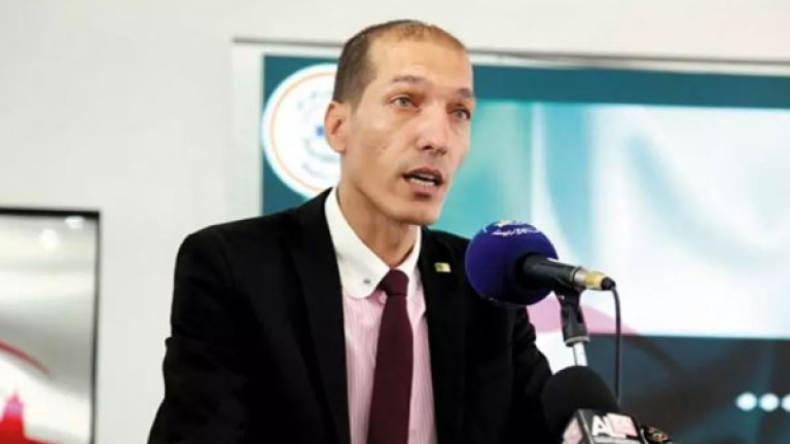
Parties faced criticism and were blamed for voter abstention following the recent elections. This public sentiment further bolsters the argument for a technocratic approach. Dr. Ali Hachani (علي حشاني) believes the next government will not possess a broad political or party character, noting that past governments under President Tebboune primarily relied on competencies and cadres. Hachani's analysis suggests a consistent pattern in the President's appointments, prioritizing skill and expertise. President Tebboune prioritizes competence and experience over political affiliation when selecting executive members. This unwavering commitment to meritocracy aims to build a strong and capable government. While majority parties may propose names for ministerial portfolios, the authority for appointments resides exclusively with the President. This constitutional prerogative ensures that the final decision rests with the head of state. The upcoming government reshuffle is not anticipated to be extensive, likely limited to portfolios that did not meet expectations or align with the presidential program. This measured approach indicates a desire for continuity and stability within the executive branch. President Tebboune has historically favored stability within the executive body, consistently avoiding frequent changes. This commitment to stability is seen as key for the effective implementation of state policies and the presidential program.
Analyst Views on Government Formation
Political analyst Ali Hachani (علي حشاني) stated that the discussion regarding the next Algerian government will be governed by the constitutional system. Hachani elaborated, "The discussion expected regarding the formation of the next government will remain governed by the nature of the constitutional system." He distinguished between two constitutional scenarios: a parliamentary majority leading to a prime minister from that majority, or a presidential majority supporting the president's program, which results in the appointment of a prime minister. Hachani noted that the recent legislative elections did not produce a parliamentary majority distinct from the presidential majority. Instead, he said, "The winning parties did not produce a different parliamentary majority, but rather produced a presidential majority that continues to support the president's program." This observation notes the unique political landscape emerging from the elections. The current situation, with a presidential majority, aligns with the second constitutional case, suggesting the continuation of the Prime Minister format. Hachani's analysis provides key context for understanding the constitutional implications of the election results. He concluded, "The constitutional path leads towards the continuation of the Prime Minister formula, with the possibility of other political forces joining this majority in the future." Hachani added, "The presidential majority paves the way for the continuation of the government of competencies." He also pointed out that "the presidential majority supporting the president's program makes the hypothesis of his continuation the closest." This reinforces the expectation that the current structure will largely remain intact. As part of standard procedures, the Prime Minister might submit their resignation to the President. This is a common formality in systems where the President holds significant appointing powers, allowing for the President to then reappoint or select a new Prime Minister in line with the established presidential majority. This process ensures a smooth transition and adherence to constitutional norms.