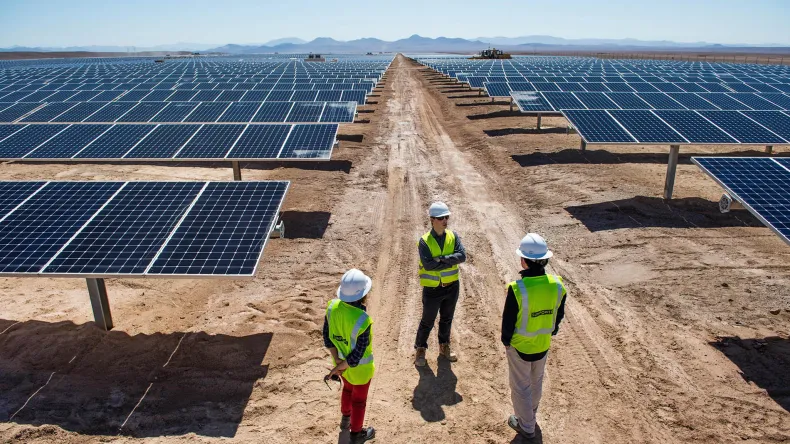
The Oued Souf solar photovoltaic power plant officially reached a production capacity of 300 megawatts. Located in Algeria, the facility stands as the largest solar power plant of its kind in the country and the second largest across the African continent. These new operations contribute to a broader national energy expansion, bringing Algeria’s total renewable energy production to 1,309 megawatts. This cumulative capacity of 1.3 gigawatts reflects recent government efforts to diversify the national power grid through large-scale solar infrastructure. Development of the Oued Souf site marks a significant addition to the domestic energy sector, supporting the growth of renewable power generation within the region.
Expanding National Energy Infrastructure
Oued Souf functions as one component of a larger 3,200-megawatt initiative that encompasses 17 solar power plants distributed across multiple Algerian provinces. These facilities aim to integrate significant renewable energy sources into the national grid.
The Ministry of Energy and Renewable Energies expanded this infrastructure in May 2026 by inaugurating two additional sites. These projects, located in Biskra province, include the El Meghaier plant and the El Ghrous plant. Each of these facilities contributes a capacity of 200 megawatts to the national total. These developments reflect ongoing efforts to scale solar generation capacity through regional projects. Consistent with broader energy policies, these installations support the integration of utility-scale renewable power across the country.
Economic Impact of Gas Savings
Boukhalfa Yaici, Director General of the Algerian Green Energy Cluster, estimates the new Oued Souf facility will reduce natural gas consumption significantly. "The Oued Souf plant will save the burning of 240 million cubic meters of gas," Boukhalfa Yaici stated regarding the annual impact of the project.
National energy figures indicate that the current 1,309 megawatts of renewable capacity across Algeria generate total annual natural gas savings of 1.047 billion cubic meters. These savings represent a shift in domestic consumption patterns as solar infrastructure replaces fossil fuel reliance for power generation.
Economic projections based on the Dutch TTF gas index price of over 96 euros per megawatt-hour on 26 October 2026 suggest a high potential value for these conserved resources. The volume of saved gas could theoretically generate 1.05 billion euros, equivalent to 1.22 billion dollars, in annual revenue if the surplus were directed toward export markets. This valuation shows the financial implications of increasing renewable capacity within the national grid.
Future Renewable Energy Targets
Algeria maintains a long-term goal to expand its renewable energy infrastructure significantly over the next decade. The national renewable energy program aims to reach 15,000 megawatts of clean electricity by 2035. This target serves as the primary benchmark for the government's ongoing transition toward sustainable power generation. Officials intend for this expansion to scale up domestic capacity beyond the current 1,309 megawatts now provided by existing solar projects, including the Oued Souf facility and the plants in Biskra province. Achieving this 15,000-megawatt objective involves the continued deployment of solar photovoltaic technology across multiple regions to replace traditional fossil fuel power sources. By setting this 2035 milestone, the state plans to integrate consistent levels of renewable energy into the national grid to meet rising electricity demand while diversifying the country's energy production portfolio.