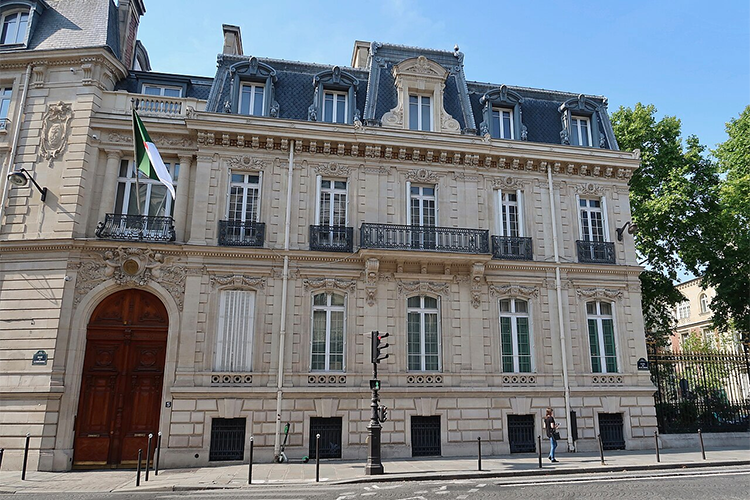
Algeria has delayed appointing an ambassador to Paris, leaving its embassy without a top diplomat for nearly two years amid ongoing bilateral tensions. The absence of an ambassador follows a period of strained relations between the two countries. This significant diplomatic vacuum shows the lingering difficulties in the relationship between Algiers and Paris. Official visits between Algerian and French officials only recently resumed in February, signaling an attempt to normalize diplomatic exchanges and restore regular communication channels. France's withdrawal of its ambassador was previously over a dispute concerning the expulsion of 12 French consular staff members from Algeria, an incident that further exacerbated the already fragile diplomatic ties. The diplomatic post has remained unfilled since the previous ambassador departed, reflecting the unresolved issues between Algiers and Paris and noting the depth of the current diplomatic impasse.
Resuming Diplomatic Engagements
Despite the continued absence of an Algerian ambassador in Paris, there have been concrete steps towards de-escalation and the re-establishment of diplomatic dialogue. The French ambassador, Stéphane Romatet, returned to Algeria over a month ago to resume his diplomatic duties, marking a key move towards restoring full diplomatic representation. This return signals a step towards normalizing relations between the two nations, which have seen a series of high-level visits aimed at re-establishing communication and addressing underlying grievances. Algeria’s Minister of Interior, Local Authorities and Transport, Saïd Sayoud, recently visited France as part of these engagements, indicating a willingness from both sides to engage at a ministerial level.
Mr. Sayoud's visit was in response to an invitation extended by his French counterpart, Laurent Nuñez, noting a reciprocal effort to foster dialogue. Mr. Nuñez had previously visited Algeria approximately four months before Mr. Sayoud's trip, indicating a sustained effort to maintain dialogue and build momentum for reconciliation. In a clear demonstration of its commitment to mending ties, France has dispatched three ministers on official missions to Algeria to rebuild communication channels. This delegation included Interior Minister Laurent Nuñez, French Minister Delegate for the Armed Forces Alice Rufo, and Justice Minister Gérald Moussa Darmanin. The presence of such a high-level French delegation shows the strategic importance both countries place on their bilateral relationship and the urgency of resolving the current diplomatic difficulties. These visits show efforts by both governments to mend strained ties and foster renewed diplomatic interaction. The exchange of visits at ministerial levels suggests a concerted push to address pending bilateral issues and pave the way for a full resumption of diplomatic exchanges, including the appointment of an Algerian ambassador to Paris. These diplomatic overtures are seen as essential for rebuilding trust and paving the way for a more stable and cooperative relationship.
Lingering Bilateral Grievances
The diplomatic crisis between Algeria and France was primarily triggered by French President Emmanuel Macron’s perceived alignment with Morocco’s plan in the Western Sahara, a contentious issue with significant regional implications. Algeria's withdrawal of its ambassador occurred after President Macron’s support for Morocco’s autonomy plan for Western Sahara in July 2024, a move that was met with strong disapproval in Algiers. This decision by President Macron was seen as a direct challenge to Algeria's long-standing position on the Western Sahara conflict, which advocates for self-determination for the Sahrawi people. The diplomatic fallout from this stance was immediate and severe, leading to a significant downturn in bilateral relations.
Adding to the complexity of the situation, France withdrew its ambassador, Stéphane Romatet, from Algeria in April 2025. This withdrawal by France was specifically over a dispute involving the expulsion of 12 French consular staff members from Algeria, an incident that escalated tensions further and demonstrated the fragility of the diplomatic ties. Algeria had previously withdrawn its ambassador, Saïd Moussi, from Paris nearly a year before France recalled its envoy, indicating a prolonged period of strained relations and a series of tit-for-tat diplomatic actions that have eroded mutual trust.
Algeria has also cited several other grievances contributing to the strained relationship, which extend beyond the immediate diplomatic spats and delve into historical and humanitarian concerns. One significant point of contention for Algeria is the continued detention of an Algerian consular employee. Algerian officials consider the refusal of conditional release for this employee to be contrary to established diplomatic and consular norms, arguing that it violates international agreements governing the treatment of diplomatic personnel. This ongoing situation remains a sensitive issue, impacting the broader diplomatic atmosphere.
Another major issue involves France's stance on the legacy of nuclear testing in Algeria. France has refused to compensate victims affected by these nuclear tests, a position that Algeria views as a failure to acknowledge historical responsibilities and the profound human cost of these experiments. Algerian authorities have stated that France has failed to assume responsibility for cleaning areas affected by past nuclear and chemical tests from radioactive waste and contamination. This lack of action is a persistent source of friction between the two nations, as Algeria continues to grapple with the environmental and health consequences of these historical events.
Adding to these concerns, France has also refused to provide maps showing the locations of buried waste from its nuclear and chemical tests conducted in Algeria. This refusal hinders Algerian efforts to address the environmental and health impacts of these historical tests, making it difficult for Algerian authorities to identify and remediate contaminated sites, thereby contributing to the prolonged diplomatic difficulties. These unresolved issues collectively show the depth of the grievances contributing to the delayed appointment of Algeria's ambassador to Paris, demonstrating that the relationship is burdened by both recent political disagreements and unaddressed historical injustices.
Path to Full Normalization
Despite the recent ministerial exchanges, Algeria has not yet appointed a new ambassador to France, leaving the top diplomatic post in Paris vacant. This delay follows France's withdrawal of its ambassador, Stéphane Romatet, from Algeria in April 2025, an action that noted the severe nature of the diplomatic rift. Algeria had previously withdrawn its ambassador, Saïd Moussi, from Paris nearly a year before France recalled its envoy, indicating a prolonged period of strained relations characterized by a series of diplomatic setbacks. A significant and ongoing point of contention between the two nations is the unresolved issue of Algerian archives that were taken by France during the colonial period. Algeria views the return of these archives as a matter of national sovereignty and cultural heritage, while the lack of progress on this front continues to be a major obstacle to full normalization. The complex interplay of historical grievances, recent political disagreements, and humanitarian concerns means that the path to a fully restored and strong diplomatic relationship between Algeria and France remains challenging, requiring sustained effort and genuine commitment from both sides to address these deeply entrenched issues.