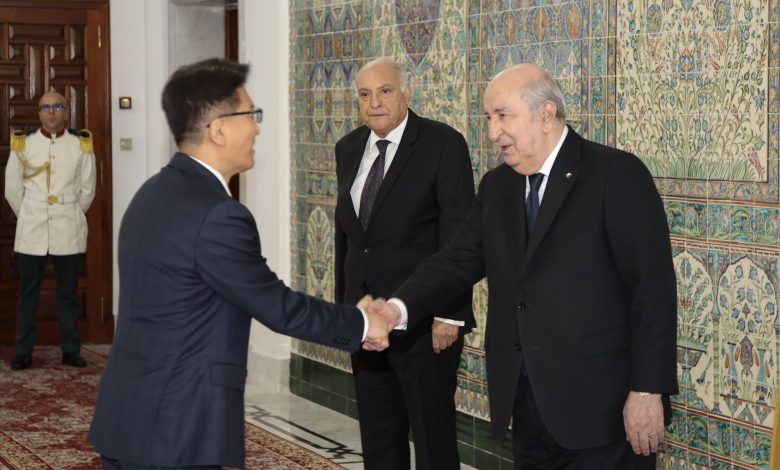
Min Kyung-tae, the new South Korean Ambassador to Algeria, recently presented his credentials to President Abdelmadjid Tebboune, signaling a strengthening of ties between the two nations. This formal diplomatic act marks a renewed commitment from Seoul to foster a strong and multifaceted relationship with Algeria. The ambassador affirmed Seoul's commitment to deepening cooperation, emphasizing a foundation of trust and mutual respect in the bilateral relationship. Ambassador Min Kyung-tae stated that South Korea respects Algeria's sovereignty and its autonomy in strategic decision-making, a principle he showed as fundamental to the enduring partnership. This statement reinforces the non-interventionist stance and mutual regard that underpins their diplomatic engagement. The diplomatic exchange comes as both countries look forward to 2026, which will mark the 20th anniversary of their strategic partnership. This significant milestone shows a sustained period of collaboration between Algeria and South Korea, noting two decades of progressive engagement and shared objectives. The anticipation of this anniversary provides a strong impetus for both nations to further solidify their strategic alliance across various sectors.
Expanding Economic and Energy Ties
Discussions between Algeria and South Korea have included plans to expand commercial and energy cooperation, identifying these sectors as key for future growth. These negotiations specifically focused on establishing medium and long-term contracts for Algerian crude oil and petroleum products, with a particular emphasis on naphtha. Naphtha, a key petrochemical feedstock, represents a key export for Algeria and a vital import for South Korea's industrial complex. A key objective of these efforts is to strengthen the presence of Algeria's national oil company, Sonatrach, in Asian markets. This strategic move aims to diversify Sonatrach's market reach and capitalize on the growing demand for energy resources in the Asian region, with South Korea serving as a significant gateway.
Beyond direct trade agreements and commodity contracts, the dialogue also covered the transfer of Korean expertise and technology. This full transfer includes know-how in upstream oil and gas exploration, which is critical for Algeria's efforts to boost its hydrocarbon reserves and production capabilities. Additionally, specialized oilfield services are part of this exchange, encompassing advanced techniques and equipment necessary for efficient extraction and processing. The collaboration extends to various specialized industrial technologies, which are expected to enhance Algeria's industrial capacity and foster local innovation. To facilitate ongoing collaboration and ensure a structured approach to these ambitious plans, a permanent dialogue framework between Sonatrach and Korean companies is planned. This framework will serve as a platform for continuous exchange, problem-solving, and the identification of new opportunities for partnership.
Technological and Development Cooperation
Envisioned cooperation fields between Algeria and South Korea are broad and impactful, including seawater desalination, smart agriculture, human resource development, and sustainable investment. This broad scope reflects a mutual interest in addressing critical development needs and fostering long-term growth and resilience in Algeria. South Korean institutions like K-water and Doosan Enerbility are recognized as leaders in desalination technology, possessing advanced solutions and extensive experience in large-scale water projects. Their expertise could be instrumental in helping Algeria address its water security challenges through advanced water treatment solutions, particularly given Algeria's arid climate and increasing water demand. In the realm of smart agriculture, Korean technology can offer innovative approaches to enhance food security and optimize agricultural output through precision farming and sustainable practices.
The diplomatic discussions also advocated for strengthening human links between the two nations through academic, cultural, and youth exchange programs. Such initiatives aim to build deeper understanding, foster intercultural appreciation, and cultivate collaboration among future generations of leaders, professionals, and citizens. These exchanges are seen as key for supporting the broader technological and developmental partnerships, ensuring a consistent flow of knowledge, skills, and expertise. The focus on human resource development within the cooperation framework shows a commitment to capacity building in Algeria, leveraging South Korea's experience in education, vocational training, and specialized skill development. This holistic approach ensures that the benefits of technological transfer are sustained and localized, contributing to long-term national development. Sustainable investment initiatives are being explored to channel Korean capital and expertise into environmentally friendly projects and green technologies in Algeria, aligning with global efforts towards a more sustainable future.
Strategic Context and Regional Role
South Korea views Algeria as a reliable partner with an influential regional position, according to official statements from Seoul. This perspective aligns with analyses from reputable institutions like the Korea Institute for International Economic Policy (KIEP), which identifies North Africa as a priority frontier for Seoul's economic diplomacy. KIEP's assessment shows the strategic importance of the region for South Korea's broader economic and geopolitical objectives, with Algeria playing a central role. Algeria is further described as a leading regional power in supporting stability across North Africa and the Sahel region, showing its geopolitical significance as a bulwark against regional instability and a promoter of peace. This recognition of Algeria's key role enhances its attractiveness as a strategic partner for South Korea.
Reinforcing this strategic outlook, the South Korea-Africa summit held in Seoul in June 2024 officially designated Africa as a long-term strategic partner for Seoul. This declaration notes a broader commitment to the entire continent, signaling a full and sustained engagement strategy. Within this expanded strategic framework, Algeria is positioned as a key player, owing to its economic potential, political stability, and regional influence. The summit's outcome further solidifies the foundation for enhanced cooperation not just bilaterally, but also within the broader context of South Korea's engagement with the African continent, with Algeria serving as an anchor for these initiatives.