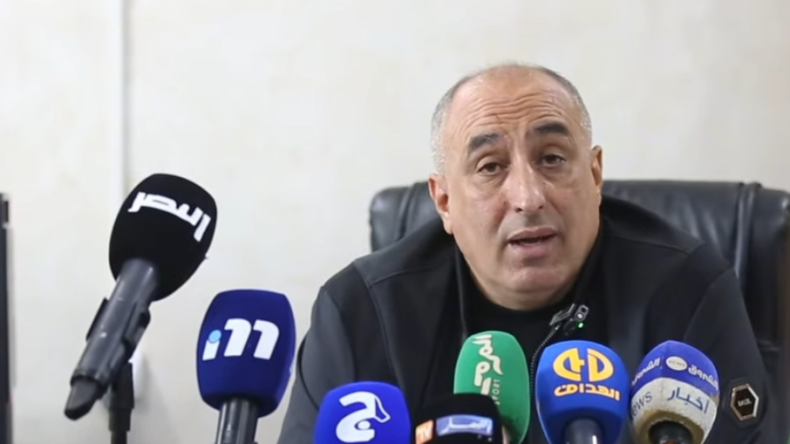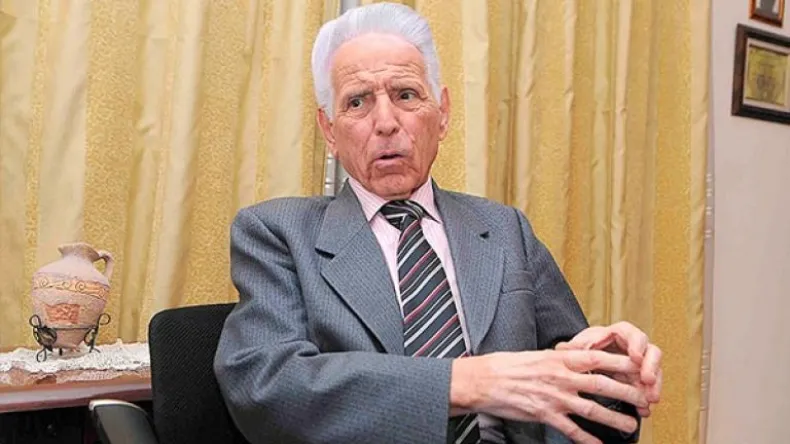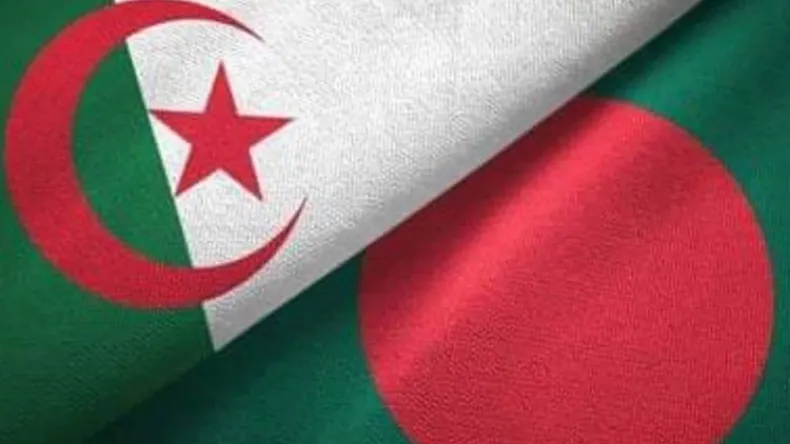
Algerian and Bangladeshi economic operators convened with the Bangladeshi ambassador to Algeria, Mohammed Najm al-Huda, alongside ministers of energy and foreign affairs, to evaluate potential investment partnerships. Ambassador Mohammed Najm al-Huda stated, "The meeting would strengthen economic cooperation between the two countries, noting that the previous two days witnessed intense activity that culminated in the signing of agreements, in a step he described as important towards launching future projects that serve the interests of both parties." Ahmed Attaf, Minister of Foreign Affairs and National Community Abroad, remarked, "The relationship between them goes beyond official ties between the two governments, which requires, according to him, strengthening the economic dimension and giving it a status commensurate with the strength of bilateral relations." Iqbal Hassan Mahmoud, Minister of Energy, Mineral Resources and Electricity of Bangladesh, added, "The experience of the Algerian revolution and the personality of the late President Ahmed Ben Bella were a source of inspiration for the participants in the national liberation war in Bangladesh."
Proposed Trade and Infrastructure Projects
Proposed projects under discussion include the establishment of an air route connecting Algiers and Dhaka, the importation of Algerian olive oil, and the construction of a jute production factory within Algeria. Air Algérie would operate the air route, providing one weekly flight dedicated to both passenger and cargo transport.
Current data indicates that Algeria imports approximately seven million jute bags annually to meet domestic requirements. Officials noted that the price of a single jute bag in international markets ranges between 1 and 1.8 dollars. Building a local production facility aims to address these existing import volumes. These initiatives remain subject to further evaluation by representatives from both nations as they seek to expand bilateral trade and infrastructure links.
Textile Industry and Vocational Training
Bangladesh currently operates 230 factories specializing in fabric and silk production. These facilities export products to 52 international markets.
A proposed vocational training plan seeks to provide specialized instruction to one million Algerians within the textile and sewing sector. The initiative intends to conduct this training across 17 centers or departments.
Pharmaceutical Capabilities and Diplomatic Ties
Bangladesh currently meets 98 percent of its domestic pharmaceutical requirements through local production. The nation maintains an extensive international footprint in this sector, exporting medical products to approximately 160 countries. Officials from both Algeria and Bangladesh have identified these pharmaceutical capabilities as a potential area for future cooperation as the two nations seek to align their economic interests. By sharing technical expertise and industrial practices, both sides aim to evaluate how Bangladesh’s established manufacturing model could complement Algerian healthcare infrastructure goals. The discussions form part of broader efforts to expand bilateral trade beyond existing textile and energy projects, focusing on sectors where local production capacity can be scaled to meet regional demand. These preliminary evaluations remain under review by representatives from both governments as they assess the viability of integrating Bangladeshi pharmaceutical production standards into the Algerian market.