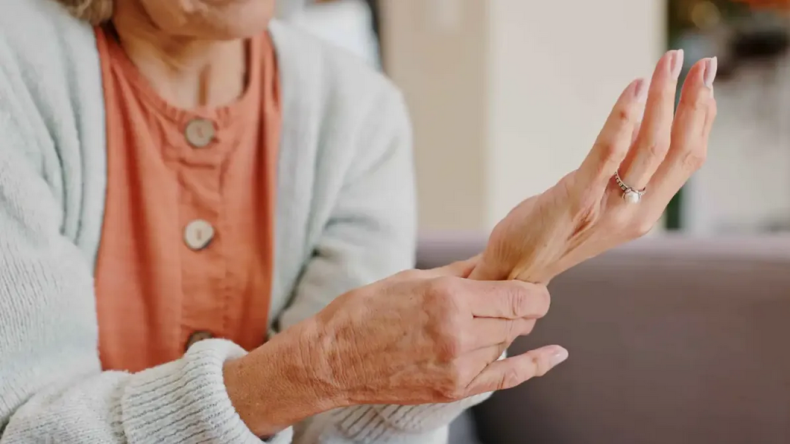
Approximately 30 percent of women over the age of 50 suffer from osteoporosis without knowing it. Medical data indicates that this condition often remains undiagnosed until a fracture occurs, leaving a significant portion of the population vulnerable to complications. Healthcare providers in Beni Messous, Algeria, continue to monitor these trends as part of ongoing efforts to track bone health in aging demographics. Abdelnour Boukabous and Ben Gana Bilal have tracked these health patterns through reports published by Echorouk. The high prevalence of the disease among older women presents a persistent challenge for local clinics tasked with early detection and patient education. Early screening remains the primary method for identifying those affected before the silent progression of the disease results in severe physical injury.
World Osteoporosis Day Initiatives
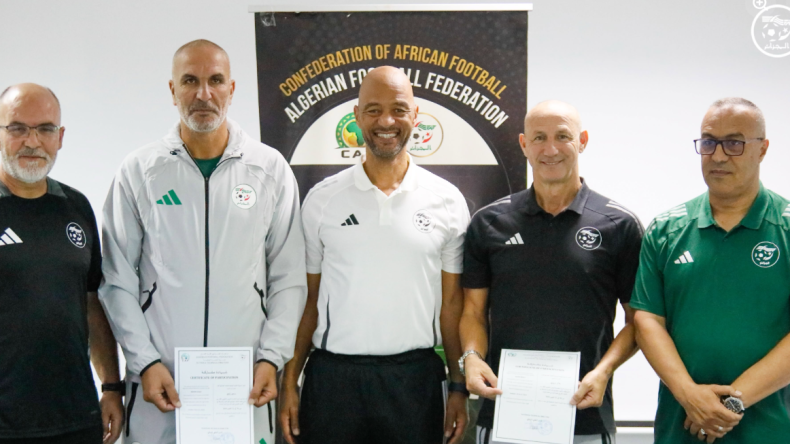
Beni Messous University Hospital hosted a World Osteoporosis Day event to facilitate discussions regarding the diagnosis and treatment of the condition. Medical professionals at the facility utilized the gathering to review current clinical approaches to bone health. This World Osteoporosis Day event was held at Beni Messous University Hospital specifically to discuss diagnosis and treatment strategies for patients residing in the surrounding community.
Professor Abdelnour Boukabous, a bone and joint disease specialist at Beni Messous Hospital, addressed the attendees during the event. "The basic message that World Osteoporosis Day carries is clear: protecting bones does not start when a fracture occurs, but through prevention, timely diagnosis, and appropriate care," said Professor Abdelnour Boukabous. The specialist emphasized that the clinical focus must remain on identifying risk factors before irreversible skeletal damage takes place.
Professor Ben Gana Bilal, the head of the Bone and Joint Diseases Department at Beni Messous University Hospital, outlined specific guidelines for clinical evaluations. He recommends that women undergo screening for the condition starting at age 65. For men, Professor Ben Gana Bilal advises that screening should commence at age 70. Professor Ben Gana Bilal, head of the Bone and Joint Diseases Department at Beni Messous University Hospital, recommends screening for women starting at age 65 and men starting at age 70 to ensure that bone density loss is identified early in the diagnostic cycle. These recommendations aim to address the progression of bone density loss before it reaches a critical stage.
Data presented during the sessions indicated that the condition affects a significant portion of the male population. Approximately 20 percent of men over the age of 50 suffer from osteoporosis. This figure shows the clinical requirement for monitoring bone health across both genders in aging populations. Providers at the hospital continue to evaluate these statistics to refine local detection protocols and improve the overall quality of care for patients suffering from bone density loss. By maintaining rigorous screening schedules, the medical team at Beni Messous University Hospital intends to mitigate the long-term impact of the disease on the local population.