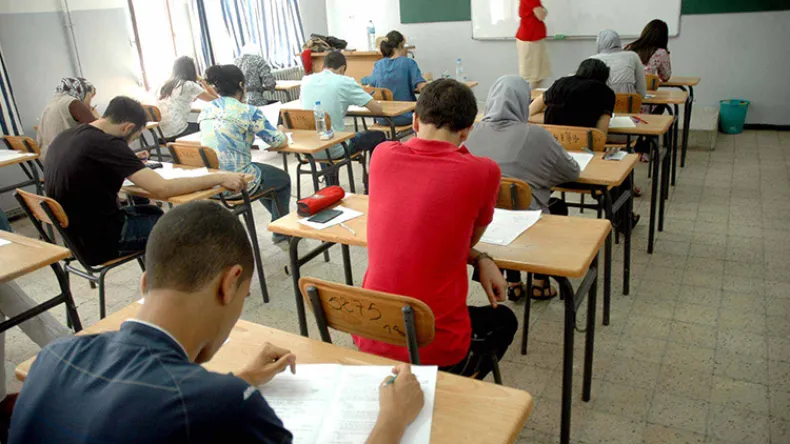
The 2026 Baccalaureate exams in Algeria concluded on Thursday, June 11th, marking the culmination of a demanding academic year for thousands of students across the nation. The examination period was largely characterized by good organization, according to reports from various educational institutions and observers. This general sense of order and smooth administration contributed to a focused environment for the candidates. This year's session saw students from different streams complete their final assessments, with early indications suggesting varying experiences for those in literary versus scientific fields. The examinations are a critical milestone for Algerian students, determining their eligibility for higher education and shaping their future academic and professional paths. The Baccalaureate is widely regarded as a key national examination, with its results keenly anticipated by students, families, and educational authorities alike.
Scientific Stream Difficulties
Scientific stream students reportedly encountered significant difficulties in certain core subjects during the examinations. These challenges were particularly pronounced in specific areas, leading to considerable concern among candidates and their instructors. The Physics subject emerged as the most significant event of this session, according to reports from students and educational commentators. Its prominence stemmed from the unexpected nature of some of its questions. Questions within the Physics exam reportedly touched upon precise aspects of the final lessons, particularly concerning 'esterification'. This specific focus on 'esterification' was considered to be outside traditional expectations for the exam, diverging from the usual scope and depth of questions typically posed in previous sessions.
The nature of these questions in Physics caused confusion and shock among some examinees, indicating an unexpected challenge for those in the scientific stream. Many students expressed that the questions required a level of detail and a specific interpretation of the curriculum that they had not anticipated, despite their thorough preparation. This unexpected difficulty in a core scientific subject is likely to have a significant impact on the overall performance of scientific stream candidates. The reactions from students noted a discrepancy between their preparation and the actual demands of the Physics paper, leading to widespread discussion about the fairness and predictability of the examination content for this particular stream.
Literary Stream Experience
In stark contrast to the scientific stream, initial impressions indicated that the 2026 exam session was more accommodating to literary streams. Literary stream students found the exam topics to be manageable and aligned with expectations discussed by educators throughout the academic year. This alignment contributed to a smoother experience for students in these disciplines, allowing them to approach their assessments with greater confidence and less anxiety. The predictability of the literary exam content was a recurring theme in student feedback.
Many observers described the 2026 session as 'the Baccalaureate of literature par excellence'. This characterization suggests a widespread perception that the examination structure and content particularly favored literary candidates, making it a notably positive year for them. The topics presented to literary students were reportedly well within their prepared scope, allowing them to approach the assessments with greater confidence. This contrasted sharply with the challenges reported by students in the scientific stream, especially regarding the Physics examination. The perceived balance in difficulty between the streams became a significant talking point following the conclusion of the exams, with many noting the distinct experiences of literary versus scientific candidates.
Exam Administration and Context
Despite the varying difficulty levels perceived by students across different streams, teachers and inspectors stated that all exam topics remained within the official annual curriculum and educational objectives. This assertion aims to reassure the public that the examinations, while challenging for some, did not stray from the prescribed academic framework. The general organization of the 2026 Baccalaureate session was broadly commended, contributing to a stable environment for candidates.
Several education directorates across the country enlisted primary and middle school principals to cover supervision needs, citing a shortage of invigilators. This measure was implemented to ensure adequate oversight in all examination centers, noting the logistical challenges involved in administering such a large-scale national assessment. Invigilating teachers expressed dissatisfaction with the continued exemption of a significant number of their colleagues from supervision duties, indicating an ongoing issue within the educational administration regarding equitable distribution of responsibilities. Additionally, the absence of a unified internal system to regulate candidate attire within exam centers was noted during the examination period. This lack of a standardized dress code policy led to some variations in practices across different centers. The phenomenon of parents accompanying their children to the exam center doors also continued, a common sight during the annual assessments, showing the strong parental involvement and support for students during this key period.
Candidate Demographics
A considerable percentage of independent candidates retaking the Baccalaureate exams were university graduates and holders of higher education certificates. This demographic indicates a significant number of individuals seeking to improve their qualifications or pursue new academic paths through the examination system, even after achieving prior higher education. This trend reflects the enduring value placed on the Baccalaureate diploma in Algeria, not just as a gateway to university but also as a means for further professional or academic advancement. The participation of these experienced candidates adds another layer of complexity to the overall candidate pool, showcasing the diverse motivations behind taking the Baccalaureate exams.