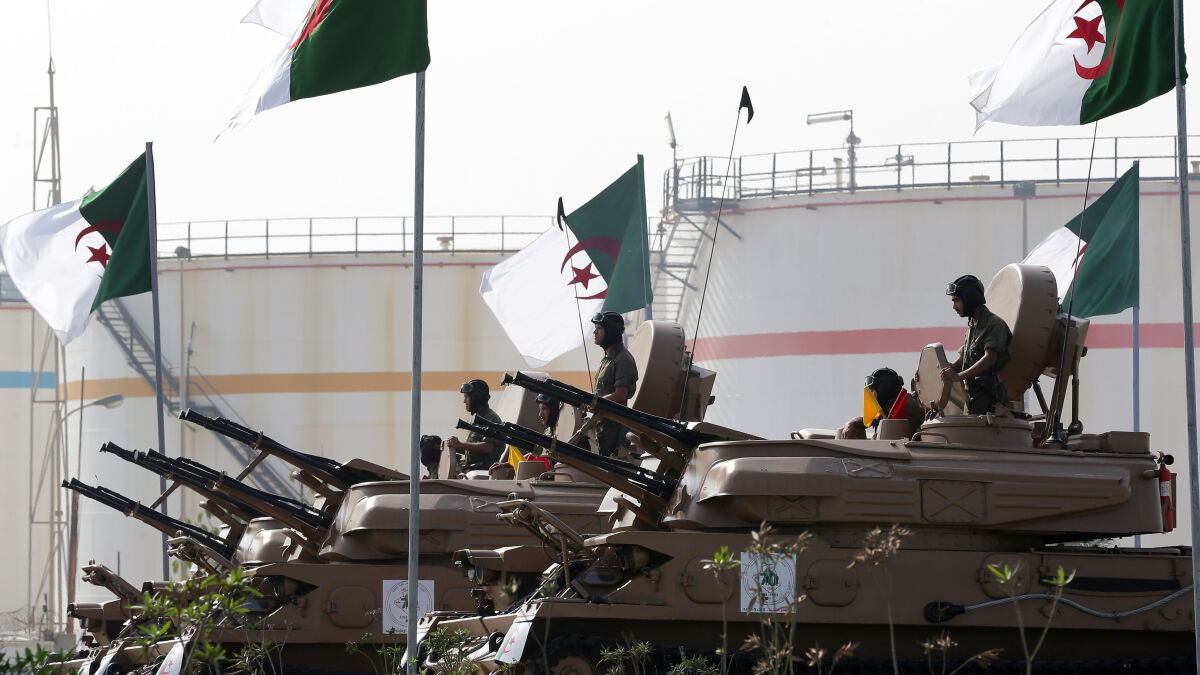
Les Jordanian Armed Forces ont mené des frappes aériennes dans le sud de la Syrie le 26 octobre 2026, visant des repaires d'organisations terroristes. Baptisée « Jordanian Deterrence – Hamoud », cette opération militaire constitue une riposte directe aux décès survenus à l'église Hamoud de Karak le 23 octobre 2026.
Le communiqué officiel des Jordanian Armed Forces précise : « The operation comes in retaliation for our martyrs who died in the Hamoud church in Karak last Friday. » Cette intervention aérienne marque une intensification des mesures sécuritaires jordaniennes après l'attaque meurtrière ayant frappé la localité de Karak. Les autorités jordaniennes justifient ces frappes comme une action ciblée contre les responsables de cet attentat, ciblant des infrastructures situées en territoire syrien.
Bilan humain et matériel divergent
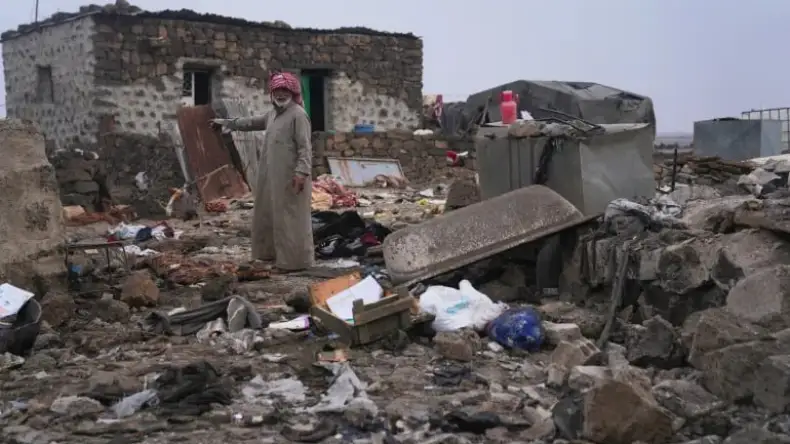
Un porte-parole du gouvernement jordanien a déclaré que les frappes aériennes ont tué plus de 20 membres de l'État islamique et détruit un important dépôt d'armes. Ces données officielles jordaniennes divergent des informations communiquées par les autorités syriennes. Le ministère syrien des Situations d'urgence et de la Gestion des catastrophes a rapporté un bilan de 8 personnes tuées lors de ces opérations militaires. Selon ce bilan syrien, les victimes comprennent 3 enfants, 3 hommes et 1 femme. Les autorités des deux pays présentent ainsi des évaluations contradictoires concernant les pertes humaines et les dégâts matériels résultant de cette intervention menée le 26 octobre 2026 en territoire syrien.
Suspension du trafic frontalier stratégique
The Syrian General Authority for Ports and Customs suspended all passenger and commercial traffic at the Nasib border crossing with Jordan on October 27, 2026. This administrative decision follows the military operations conducted in the region. The Syrian General Authority for Ports and Customs stated: "Due to the current situation and field developments in Daraa Governorate, the General Authority for Ports and Customs announces the closure of the Nasib border crossing with the Hashemite Kingdom of Jordan on Tuesday due to current circumstances."
Jordan and Syria have agreed to form a joint committee to address the situation and its repercussions. This bilateral mechanism aims to manage the consequences of the recent military activities and the resulting closure of the strategic border point. Both nations intend to utilize this framework to evaluate the impact of these developments on cross-border relations and security conditions in the area.