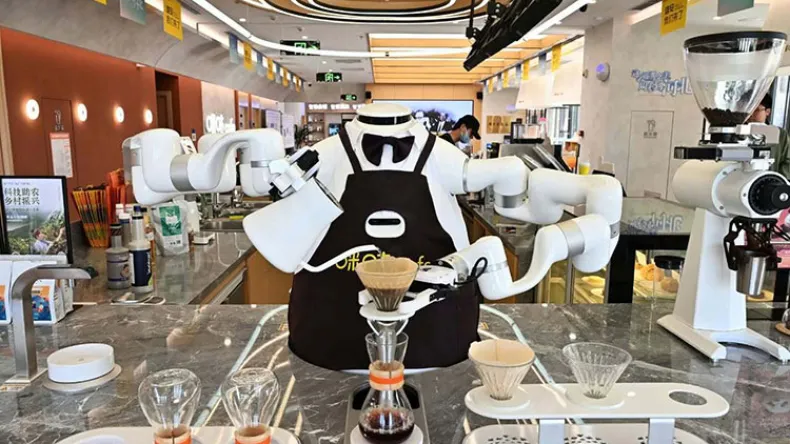
Xiongan New Area was established in 2017 in Hebei province to relieve pressure on Beijing and support integrated development. Chinese authorities selected this site to function as a major hub for high-tech innovation and urban planning, shifting non-essential functions away from the capital. The project remains a central component of the broader plan to integrate the regional economies of Beijing, Tianjin, and Hebei. Planners designed the area to incorporate advanced digital infrastructure alongside environmental restoration efforts around Baiyangdian. China Mobile has since integrated its network technologies into the regional framework to provide connectivity for the city's expanding digital systems. These developments represent a long-term shift in the regional distribution of administrative and economic activity within the northern part of the country.
The establishment of Xiongan New Area involves a full approach to urban design that prioritizes both technological integration and sustainable living. By moving administrative functions from Beijing, the project seeks to balance population density and resource allocation across the region. The inclusion of Baiyangdian as a focal point for environmental restoration reflects a commitment to maintaining ecological health while simultaneously constructing a modern, high-tech urban center. This dual focus ensures that the rapid pace of digital growth is balanced by green spaces and water management systems.
Infrastructure for Modern Living
Public access to digital and educational resources remains a priority within the urban development plan of Xiongan. The local library serves as a primary hub for these services, having recorded approximately 1.6 million visits since its opening. This facility provides residents with access to a wide range of learning materials and digital tools, functioning as a cornerstone for community engagement and intellectual development. The high volume of visitors notes the importance of such public institutions in the daily lives of those relocating to or working within the new area.
Connectivity standards for the area rely on the expansion of high-speed telecommunications networks. On 6 June 2019, the Ministry of Industry and Information Technology issued 5G licenses to four major operators to facilitate this transition. These licenses established the foundation for the high-bandwidth environment currently utilized by residents and administrative offices. The deployment of this technology enables the smooth operation of smart city features, including intelligent transportation systems and digitized public services, which require stable, low-latency connections to function effectively.
Future telecommunications goals extend toward the deployment of next-generation mobile standards. China Mobile aims to achieve commercial capability for 6G by 2030. This objective aligns with the broader technical requirements of the city as it continues to integrate automated systems and digital infrastructure into its daily operations. By planning for these future standards, Xiongan New Area positions itself to remain at the forefront of global technological advancements in urban management.
Data processing capacity is managed through the 'Data East, Computing West' initiative. This project involves ten national data center clusters designed to distribute computational resources across the country. The Beijing-Tianjin-Hebei hub serves as one of these designated clusters, supporting the regional demand for data storage and processing power within Xiongan and its surrounding areas. By centralizing data infrastructure within this specific cluster, the initiative ensures that the high-tech industries and administrative bodies operating in Xiongan have the necessary backend support to sustain intensive data-driven workloads. This strategic arrangement is essential for the long-term viability of the city’s digital-first administrative and economic model.