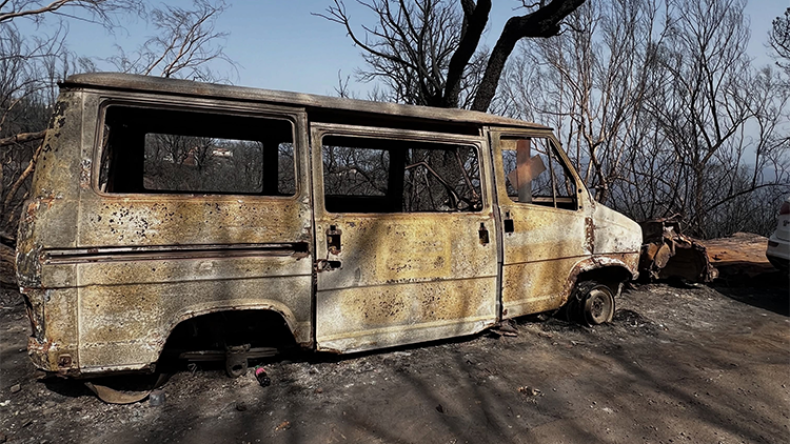
On Wednesday, August 26, 2026, the author visited Jijel, a city renowned for its natural beauty and often celebrated as the "Jewel of the Algerian East" or the "Jewel of the Algerian Coast." This planned visit, however, coincided with a devastating turn of events as wildfires erupted with alarming intensity in the nearby mountains, casting a pall over the picturesque region. The sudden outbreak of these fires dramatically impacted the author's travel arrangements and those of their companions, forcing them to swiftly alter their itinerary. Instead of continuing their initial route, they were compelled to reroute their journey towards the eastern coast of Jijel, navigating the national road that stretches towards the city of Constantine. Writing for a publication dated August 30, 2026, just days after witnessing the unfolding disaster, the author expressed a profound and unequivocal condemnation of those deemed responsible for igniting these destructive fires. The author’s statement was stark and unyielding, declaring, "I call for the application of the death penalty to these criminals, and that we have no mercy on them, for they have taken lives, destroyed resources, and demolished homes." Furthermore, the author passionately urged against heeding the voices of what they described as "crows who call for not applying the death penalty," emphasizing a firm belief in severe retribution for such acts.
A Journey Through Smoke and Fire
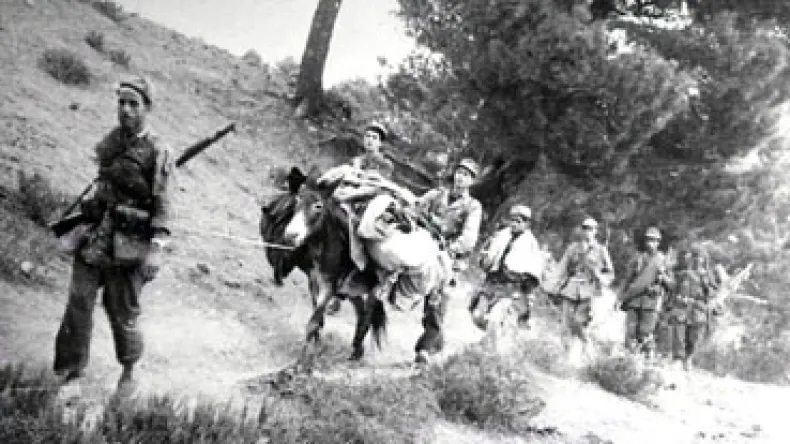
The initial travel plans for the author and their companions had been set to include a visit to the charming town of Ben Yaghis, a locality situated to the southeast of Jijel. Their intended route through the region was designed to encompass a series of towns, offering a glimpse into the local landscape and communities. This journey would have taken them through El Ancer, Sidi Abdelaziz, El Qannar, Bazoul, Belghimouz, El Janaah, and Djemaa Beni Habibi. As they proceeded along their revised path, a noticeable and concerning change in the environment became apparent: the heat reportedly intensified significantly, a direct consequence of the nearby inferno. During their journey, they made a necessary pause in the town of El Janaah, where they sought a brief respite and enjoyed a light fish meal. In the same town, they took a moment to stand before a memorial, a solemn tribute dedicated to the Mujahid Martyr Mokhtar Dekhli, widely known by his honorific, "El Baraka." The escalating and oppressive heat, a widespread reminder of the ongoing crisis, eventually led the author to seek temporary refuge and relief at Ferhat Abbas airport, an important regional hub located conveniently near the city of Taher. The decision to head to the airport showed the severity of the conditions on the ground and the need to escape the immediate impact of the heat and smoke.
The Sky Ablaze
From the vantage point of the airplane, as it prepared for departure or was in flight, the author reported observing a truly unsettling and surreal phenomenon: the moon appeared distinctly red. This eerie celestial spectacle was not merely an atmospheric anomaly but was directly attributed to the vast and widespread fires raging across the landscape below, with smoke and ash tinting the sky. The author, reflecting on these harrowing observations and the devastation witnessed, reiterated their strong condemnation of those responsible for the wildfires that had erupted in the mountains near Jijel. The article, published on August 30, 2026, served as a powerful platform for this sentiment. "I call for the application of the death penalty to these criminals, and that we have no mercy on them, for they have taken lives, destroyed resources, and demolished homes," the author stated with conviction, emphasizing the profound and multifaceted damage inflicted by the perpetrators. The author further urged against giving credence to "crows who call for not applying the death penalty," reinforcing their stance that such egregious acts demand the ultimate penalty.
A Call for Retribution
The author's impassioned plea for justice centered on a clear and uncompromising demand for the application of the death penalty for those found responsible for igniting the fires. The call for retribution was articulated with a fervent intensity, leaving no room for ambiguity. "I call for the application of the death penalty to these criminals, and that we have no mercy on them, for they have taken lives, destroyed resources, and demolished homes," the author stated, showing the irreversible loss and suffering caused. The author further solidified this position by adding, "and let us not listen to these crows who call for not applying the death penalty." This phrase, originally expressed in Arabic as: "إنّني أدعو إلى تطبيق قانون الإعدام على هؤلاء المجرمين، وألا تأخذنا فيهم رأفة، فقد أزهقوا أرواحا، وأتلفوا خيرات، وهدموا بيوتا، وألا نلقي السمع لهذه الغربان التي تدعو إلى عدم تطبيق قانون الإعدام," notes the author's deep-seated conviction and rejection of any leniency. The article, which contains 70 words in its core statement of condemnation, has, as of its publication, received 0 public comments, indicating either a lack of immediate engagement or perhaps a profound silence in the face of such a severe and emotionally charged call for justice.