The American Academy of Dermatology reports that children are susceptible to traction alopecia, a form of hair loss caused by repeated tension on the hair follicles. Medical practitioners observe that this condition frequently occurs in young patients due to prolonged use of tight hairstyles. The American Academy of Dermatology states that traction hair loss can be reversible in early stages if the underlying cause of the tension is identified and removed. Early intervention remains the primary method for preventing permanent damage to the scalp and hair growth cycles. The American Academy of Dermatology notes that children are also susceptible to traction alopecia.
Causes of Traction Alopecia
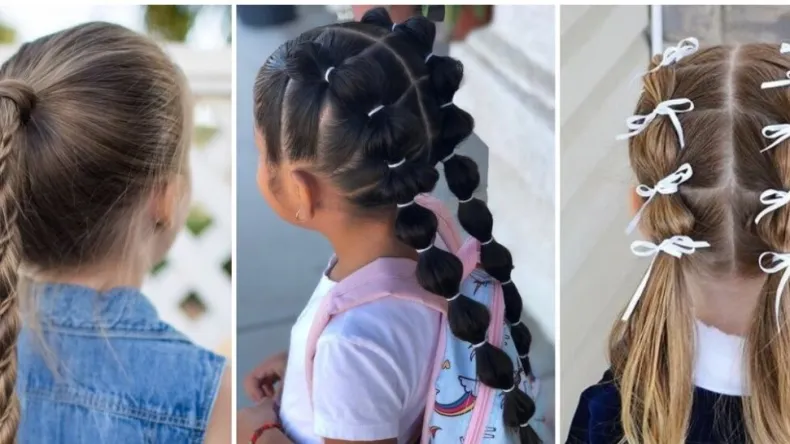
Tight hairstyles identified as contributors to hair loss include tight ponytails, tight braids, high tight buns, and heavy hair extensions. Tight hairstyles that can cause hair loss include tight ponytails, tight braids, high tight buns, and heavy hair extensions. These styling choices exert consistent force on the hair shaft, which can pull the hair away from the scalp over time.
The mechanism behind this physical strain involves the consistent application of force to the hair strands, which in turn impacts the follicle structures embedded within the dermis. When these follicles are subjected to constant, repetitive pulling, the integrity of the hair growth cycle is compromised. The American Academy of Dermatology notes that the tension created by these specific styling choices is the primary external factor influencing the development of the condition in pediatric patients.
Advanced damage resulting from these prolonged tension patterns can lead to permanent hair loss. Advanced damage from tight hairstyles can lead to permanent hair loss due to scarring of the hair follicles. This occurs because the physical strain causes scarring of the hair follicles. Once scarring develops within the follicle, the tissue loses its ability to produce new hair, rendering the condition irreversible.
The progression from temporary hair thinning to permanent loss is a critical concern for medical practitioners. When the hair is pulled tightly for extended periods, the localized inflammation around the follicle can trigger a biological response that results in fibrotic tissue formation. This process replaces the healthy, active follicle with scar tissue. Because this scarring process is structural, the hair growth cycle is effectively terminated in the affected areas of the scalp.
For parents and caregivers, identifying the early signs of traction alopecia is essential to preventing this transition from reversible thinning to permanent scarring. Medical practitioners recommend monitoring the scalp for signs of redness, bumps, or thinning along the hairline or at the points where hair is pulled most tightly. By recognizing these indicators early, the underlying tension can be removed, allowing the follicles to recover before the damage becomes permanent. The American Academy of Dermatology emphasizes that shifting to gentler styling practices is the most effective way to protect hair health in children and prevent the development of irreversible traction alopecia.