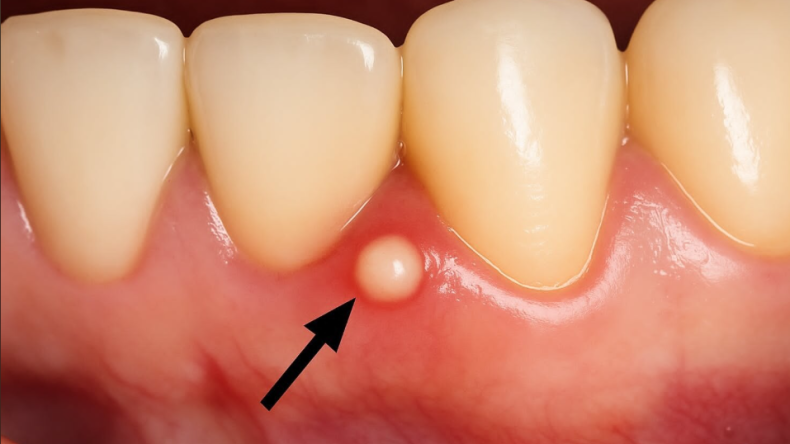
A tooth abscess, known in Arabic as خُراج الأسنان (khuraj al-asnan), is an accumulation of pus, indicating an infection that damages oral tissues and can spread to other parts of the body, potentially causing serious health issues in some cases. The infection associated with an abscess can extend from the mouth to the neck and chest, leading to severe and potentially life-threatening inflammation. This inflammatory process, which can spread from the mouth to the neck and chest, can cause a serious and potentially life-threatening condition.
What Causes a Tooth Abscess
A periapical abscess occurs when bacteria invade the tooth's pulp, which is its innermost part containing blood vessels, nerves, and connective tissues. This specific type of abscess, known as خُراج ذروة السن (khuraj dhirwat al-sinn) in Arabic, develops when bacteria gain access to the tooth's vital core. The bacteria enter either through tooth decay or via a crack or chip in the tooth, subsequently spreading down to the root. This bacterial invasion, whether through dental caries or structural damage to the tooth, is the primary mechanism by which the infection takes hold and progresses to the root.
Recognizing the Symptoms
An abscess may cause severe tooth pain. This pain can manifest as sharp, throbbing, or radiating to the ear, jaw, or neck. It might be constant or occur specifically during chewing. Patients often describe the pain as excruciating, sometimes feeling as though it is spreading to other areas of the head and neck. This intense discomfort can be a significant indicator of an underlying abscess.
Other symptoms associated with a tooth abscess include bad breath or a bitter taste in the mouth, redness and swelling of the gums, and looseness of the affected tooth. These signs, including a foul odor from the mouth or an unpleasant taste, are common indicators of an active infection. Patients may also experience swelling in the upper or lower jaw, swollen lymph nodes, an open sore on the side of the gums, and a fever. The presence of swollen lymph nodes, particularly in the neck, suggests the body is fighting a significant infection. An open sore, often referred to as a fistula or "pimple" on the gum, can indicate drainage of the pus. A fever is a systemic sign that the infection is affecting the entire body.
Serious Risks of Neglect
Neglecting to treat a tooth abscess can lead to several serious health complications. Among these risks are the formation of fistulas, which are abnormal connections between two body parts, and potential tooth loss. The infection from an untreated abscess can also spread to other areas, causing conditions such as sinusitis, or inflammation of the sinuses. More severe consequences include the development of brain abscesses, a life-threatening collection of pus within the brain. Bacterial endocarditis, an infection of the heart's inner lining, and sepsis, a dangerous systemic response to infection, are also potential outcomes of an unaddressed dental abscess. These serious risks highlight the critical importance of seeking timely professional dental care for any suspected tooth abscess. The potential for the infection to spread throughout the body shows the severity of this condition if left untreated.
Safe Home Care and Dangers
To manage pain and reduce inflammation while awaiting a dental appointment, individuals are advised to rinse with warm salt water, apply an ice pack to the cheek, take ibuprofen, and drink plenty of water. Rinsing with warm salt water helps maintain cleanliness in the affected area and soothes irritated gums. This simple yet effective measure assists in keeping the mouth clean and can provide temporary relief from discomfort. Wrapping an ice pack or a bag of frozen peas in a cloth and applying it to the outside of the cheek can alleviate pain and reduce swelling. The cold compress works by constricting blood vessels, thereby reducing inflammation and numbing the area.
It is important to avoid placing aspirin directly on the gums, as this can cause tissue burns. Aspirin is an acidic substance and direct contact can damage the delicate gum tissue. Additionally, practitioners recommend against piercing the abscess with a needle or exposing it directly to heat. Attempting to drain the abscess at home can introduce new bacteria and worsen the infection, while heat can exacerbate inflammation and pain. Patients should also avoid sugary and hot beverages, which may exacerbate symptoms. Sugary drinks can feed bacteria, and hot beverages can increase blood flow to the inflamed area, potentially intensifying pain. Even if an abscess drains on its own, treatment is still necessary because the underlying infection persists. The spontaneous drainage of pus does not mean the infection has resolved; the source of the infection, typically within the tooth, remains and requires professional intervention. It is key to avoid ignoring the problem even after the abscess has burst.