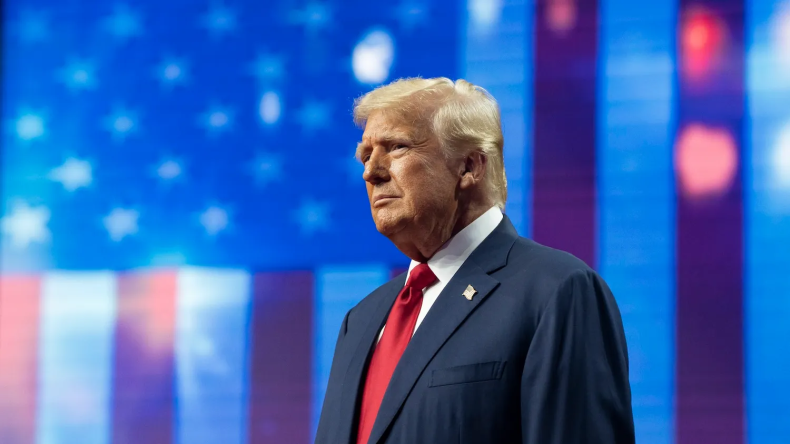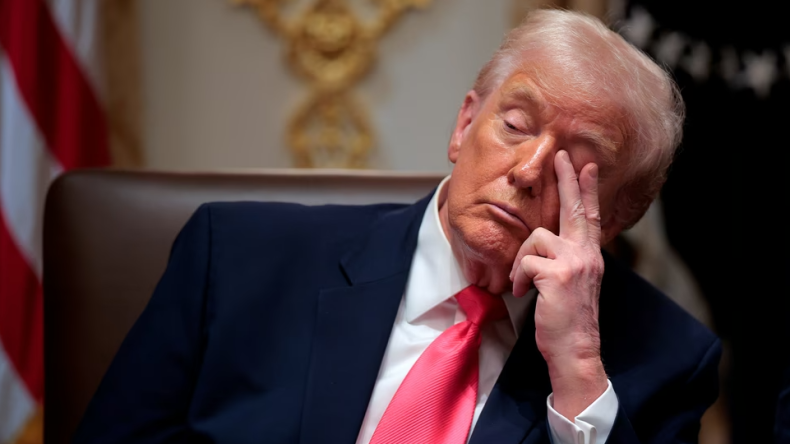
President Donald Trump announced on Friday, May 29, the lifting of the naval blockade on Iran and demanded that the country open the Strait of Hormuz. The declaration came as ships remained stuck in the critical waterway following the blockade, causing significant disruptions to global maritime trade. Mr. Trump stated that vessels affected by the blockade could now return to their respective homelands, a development that could alleviate mounting pressure on shipping companies and international supply chains. The move signals a significant development in the ongoing situation impacting maritime traffic in the region, which has been a point of contention for weeks.
Iran's Cautious Response
The Iranian Foreign Ministry reported that a memorandum of understanding between the two parties had not yet become final, according to Al Jazeera. This statement from the ministry indicated a measured and cautious approach following the US announcement regarding the naval blockade. The process of reaching a definitive agreement appears to be ongoing, suggesting that while a significant step has been taken, full resolution still requires further diplomatic engagement.
Regarding navigation through the Strait of Hormuz, the ministry affirmed that "enemy ships are prohibited from crossing the strait." This firm stance shows Iran's perceived sovereignty over the strategic waterway. It further clarified that commercial vessels continued to traverse the waterway "in coordination with our forces," indicating that Iran maintains a level of control and oversight on all non-adversarial shipping. This position suggests that Iran intends to maintain strict control over access to the strategic strait despite the lifting of the US blockade, differentiating between various types of maritime traffic.
Strait of Hormuz Significance
Donald Trump stated on his account on the platform Truth Social that Tehran must immediately open the Strait of Hormuz without imposing transit fees in either direction. The former US President's demand showed the strategic importance of the waterway for global shipping, emphasizing the need for unhindered passage for all vessels. The insistence on immediate opening without fees notes the economic implications of any restrictions, as transit fees could significantly increase the cost of shipping goods, particularly oil.
Mr. Trump additionally called for Tehran to remove all naval mines present in the strait. This requirement notes serious concerns about the safety and navigability of the critical chokepoint, which is essential for the transport of a significant portion of the world's oil supplies. The presence of naval mines poses a direct threat to commercial vessels and could lead to environmental disasters, further disrupting international trade and energy markets. Ensuring a clear and safe passage is critical for the restoration of normal maritime operations in the region. The Strait of Hormuz is recognized globally as a vital artery for energy exports, and any impediment to its free flow has widespread economic repercussions.
Broader Implications
The Iranian Foreign Ministry indicated that it seeks to verify "the credibility of lifting the naval blockade, whether it is real or just media statements." This cautious response from Tehran suggests a degree of skepticism regarding the true intent and practical implementation of the US announcement. The ministry stated, according to Al Jazeera, that what Americans referred to as a naval blockade was from its inception an illegal act and a violation of the ceasefire. This firm position from Iran frames the US blockade as an unlawful aggression from the outset. Iran's statement suggested that if the United States lifts the naval blockade, it would signify an end to an unlawful practice, rather than a concession. This position notes Tehran's cautious approach to the recent announcement by Donald Trump regarding the blockade, emphasizing its long-held view that the blockade itself was illegitimate. The Iranian government's desire for verification shows the deep distrust that has characterized relations between the two nations.