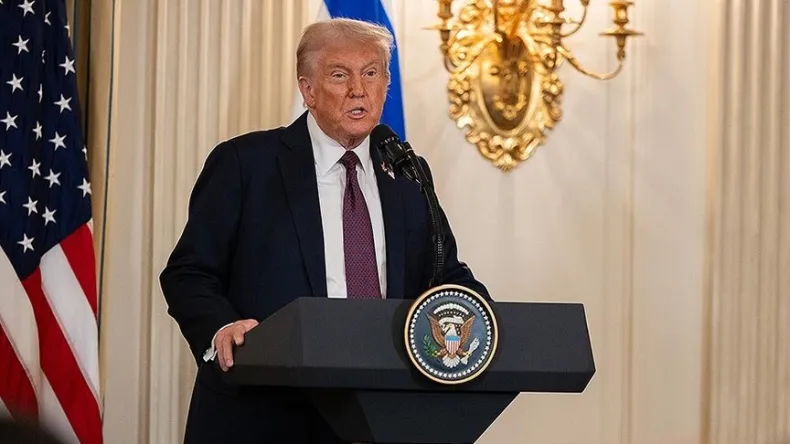
Negotiations between the United States and Iran are continuing, with a potential agreement to end the conflict possibly concluded within "one or two days." This timeline, conveyed by President Donald Trump, injects a sense of urgency and optimism into the protracted diplomatic efforts. The ongoing talks follow an announcement from the Iranian army early Monday that it was suspending its attacks against Israel, a critical step towards de-escalation. Donald Trump claimed a resolution to the Iran-Israel conflict is imminent amidst these diplomatic efforts, suggesting that significant progress has been made behind the scenes despite recent military flare-ups. The prospect of a swift resolution has captured international attention, particularly given the volatility of the situation in the Middle East.
Escalation and Ceasefire
Regional tensions have intensified significantly since the United States and Israel launched airstrikes against Iran on February 28. This initial round of military action set a precedent for a more aggressive posture in the region. A fragile ceasefire, which had been concluded in April, faced its most serious test on Sunday when Israel bombed Beirut, marking a severe breach of the truce. In direct retaliation for the Israeli strike on Beirut, Iran launched missiles towards northern Israel, demonstrating a clear tit-for-tat escalation. Following this, Israel conducted several waves of airstrikes against Iran, targeting various sites and further deepening the cycle of violence. Israel is continuing its military operations in southern Lebanon, indicating that not all hostilities have ceased even as diplomatic efforts intensify. These exchanges mark a significant increase in hostilities, testing the limits of the previously established truce and noting the volatility of the regional security situation. The series of retaliatory actions has showed the challenges in maintaining stability, even as diplomatic efforts continue to seek a broader resolution to the conflict. The recent military actions have served as a stark reminder of the urgent need for a lasting peace agreement to prevent further bloodshed and regional destabilization.
Diplomatic Progress
President Donald Trump indicated that discussions with Tehran have continued despite recent escalations in violence, asserting that the channels of communication remained open even during heightened military activity. The ongoing dialogue represents a sustained effort to de-escalate regional tensions, a testament to the commitment of both sides to finding a diplomatic solution. Mr. Trump stated that the talks with Iran have not been interrupted by the recent military actions, which he presented as a positive sign of the resilience of the negotiation process. This continuity in discussions, even amid military exchanges, suggests a foundational commitment to peace from both parties.
Mr. Trump further claimed that the ongoing diplomatic discussions are progressing favorably. This assessment suggests a positive outlook on the potential for a resolution, even amid the heightened military activity between Iran and Israel. The President’s remarks imply that the negotiations have reached a critical stage, moving beyond initial discussions to more substantive agreements. The favorable progression of these talks is key for building confidence and momentum towards a full peace deal. The nature of these discussions and specific details regarding their favorable progression were not immediately disclosed, leaving room for speculation about the exact concessions or agreements being considered. However, the President's public statements aim to project an image of constructive engagement and imminent success.
Key Agreement Details
Iran and Israel have agreed to cease their mutual attacks, according to reports emerging from the ongoing diplomatic efforts. This development marks a significant step towards de-escalation in the region, offering a tangible sign of progress beyond mere discussions. A key provision of the proposed agreement stipulates that the Strait of Hormuz will reopen immediately upon the official signing of the resolution. This particular clause addresses a critical point of international concern, as the strait is a vital chokepoint for global oil shipments, and its closure has significant implications for energy markets and international trade. The reopening of the strait is expected to alleviate concerns regarding global shipping and energy markets, providing economic relief and stability. This provision shows the economic dimensions intertwined with the security concerns of the region.
Separately, Israeli media, citing unidentified officials, reported that Israel had agreed to suspend its strikes against Iran. This suspension aligns with the broader push for a full ceasefire between the two nations and demonstrates a reciprocal commitment to de-escalation. Such a mutual agreement to halt military operations is essential for fostering an environment conducive to lasting peace. The details regarding the enforcement mechanisms of these agreements have not yet been fully disclosed, which will be key for ensuring compliance and preventing future breaches. However, the commitment to mutual cessation of attacks and the reopening of the Strait of Hormuz represent foundational elements of a potential resolution, signaling a significant shift from recent hostilities towards a more stable regional outlook.