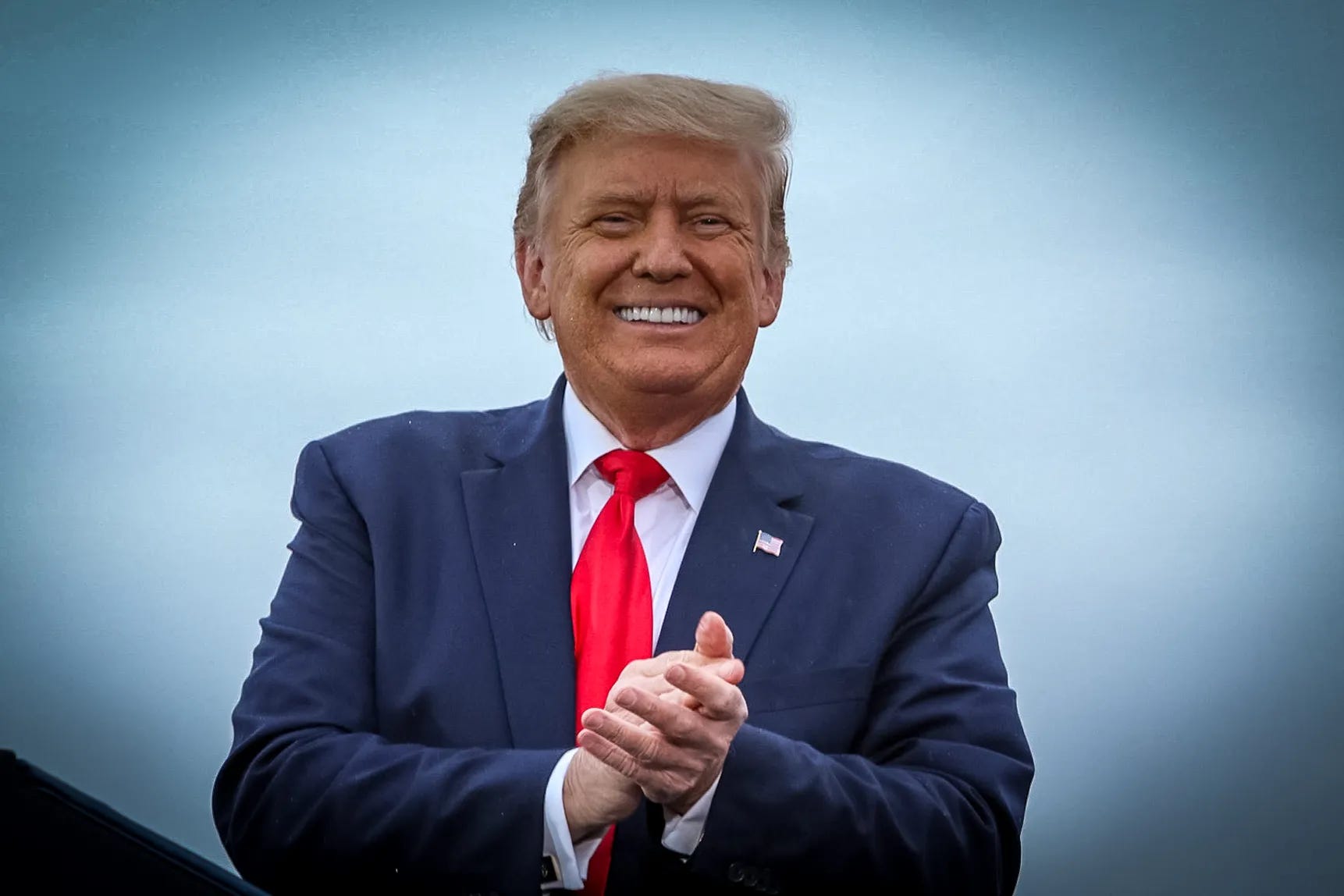
Donald Trump announced a three-day ceasefire agreement between Moscow and Kiev, set to begin Saturday, which also includes a substantial prisoner exchange. The former U.S. President stated the halt in fighting and the exchange of captives were concluded after his direct intervention. Trump confirmed the agreement would allow 1,000 prisoners from each side to be released, marking a large prisoner exchange between the warring nations. This agreement, which includes a massive prisoner exchange, was announced by the former U.S. President as a significant step, described by him as the result of U.S. Diplomacy.
Mr. Trump expressed his appreciation for the acceptance of his request by both presidents, stating, "Cette demande a été faite directement par moi" and adding, "J’apprécie beaucoup qu’elle ait été acceptée par le président [russe] Vladimir Poutine et le président [ukrainien] Volodymyr Zelensky." He described the development as "le début de la fin d’un conflit très long, meurtrier et âprement disputé." Trump further remarked, "Nous nous rapprochons de plus en plus, chaque jour," characterizing the truce as "a little bit of a ceasefire." He specifically thanked both President Vladimir Putin and President Volodymyr Zelensky for agreeing to the pause in fighting, emphasizing his personal involvement in making the request for the ceasefire.
Trump's Diplomatic Push
Donald Trump stated he personally requested the ceasefire, affirming, "This demand was made directly by me." He expressed gratitude that both leaders accepted the request, saying, "I very much appreciate that it was accepted by President [Russian] Vladimir Putin and President [Ukrainian] Volodymyr Zelensky." Trump also described the ceasefire as the result of U.S. Diplomacy, which he characterized as "a little bit of a ceasefire." This diplomatic push, he indicated, was a direct effort from his side, noting his role in facilitating the agreement.
The former U.S. President voiced his hope that this military pause marks "the beginning of the end of a very long, deadly and hard-fought conflict." Trump stated that diplomatic negotiations between Moscow and Kiev are progressing with positive momentum. He concluded that the parties are "getting closer every day" to a definitive peace agreement. This sentiment shows his belief in the potential for a lasting resolution, asserting that the diplomatic efforts are yielding progress. In late April, Trump had publicly raised the idea of a temporary ceasefire for marking the anniversary of the end of World War II after a phone call with President Putin. This earlier suggestion laid some groundwork for the current announcement, demonstrating a consistent effort towards de-escalation.
Ceasefire Details and Timing
The proposed ceasefire is scheduled to run through May 11, aligning with Russia's Victory Day celebrations. This annual commemoration on May 9 marks the Soviet Union's key role in the defeat of Nazi Germany during World War II. The timing of the truce was noted to coincide directly with these significant national observances in Russia, a period of national pride and reflection. The ceasefire dates specifically coincide with Russia's Victory Day, which commemorates the Soviet Union’s role in defeating Nazi Germany during World War II, further emphasizing the symbolic importance of the chosen dates.
The three-day cessation of hostilities is set to begin on Saturday, providing a temporary halt in fighting between Russian and Ukrainian forces. The dates were specifically chosen to encompass the period leading up to and including the Victory Day events, extending through May 11. This strategic timing could allow for uninterrupted national commemorations in Russia, a key element of its public calendar, and potentially foster a more conducive environment for the prisoner exchange. The agreement includes a large prisoner exchange, allowing 1,000 captives from each side to regain their freedom, a critical humanitarian component of the truce, which Donald Trump announced has been concluded between Moscow and Kiev.
Observers state the ceasefire's duration, extending until May 11, grants a window for the proposed prisoner exchange to be executed efficiently. The agreement's alignment with such a historically important date for Russia shows the potential symbolic weight attributed to the truce by the negotiating parties, suggesting a deliberate choice to link the pause in hostilities with a moment of national unity and remembrance. Donald Trump's announcement noted that the fighting is to temporarily halt beginning Saturday, setting the stage for these key humanitarian and commemorative activities.
Ukrainian Skepticism and Concerns
Ukrainian President Volodymyr Zelenskyy framed the agreement primarily around the return of Ukrainian prisoners of war. He expressed a guarded stance regarding Moscow's willingness to uphold the announced ceasefire, indicating underlying concerns about Russia's commitment to the truce. Zelenskyy seemed guarded about Russia’s willingness to uphold the ceasefire, noting the cautious approach from Kyiv, especially given the context of ongoing hostilities.
Ukraine's skepticism toward the Russian commitment is exacerbated by ongoing concerns about Moscow's alignment with Iran. This perceived partnership has raised questions in Kyiv about the broader implications for regional stability and Russia's reliability in international agreements. Ukraine’s skepticism toward the Russian commitment comes amid concerns about Moscow’s alignment with Iran, adding another layer of complexity to the situation and deepening mistrust.
A Ukrainian intelligence assessment last month alleged Russia had provided satellite imagery and cyber support to Tehran. The assessment claimed this assistance was intended to bolster attacks against the U.S. And other countries, further contributing to Ukrainian apprehension about Russia's intentions. Last month, a Ukrainian intelligence assessment alleged Russia had shared satellite imagery and cyber support with Tehran to support attacks against the U.S. And other countries, deepening Kyiv's mistrust. This alleged collaboration fuels concerns in Kyiv regarding Russia’s long-term strategic objectives and its trustworthiness in adhering to international agreements, including the newly announced ceasefire, making President Zelenskyy's guarded stance understandable.