The escalating search for alternative water sources for firefighting has become a necessity due to widespread water scarcity, increasing drought waves, rising temperatures, and the ongoing spread of forest fires. This critical need arises as traditional water sources are increasingly strained by environmental shifts and the escalating demands of fire suppression. Researcher Adel Daqdaq has proposed reusing treated sewage water, after removing pollutants and germs, as a viable option for firefighting efforts. Daqdaq’s proposal suggests that treated water can provide an additional source for firefighting operations amidst increasing pressure on existing water resources, offering a sustainable approach to a growing environmental challenge.
The Growing Need for Water Solutions
Algeria faces ongoing challenges in preserving its water resources, prompting authorities to valorize treated wastewater and implement measures to protect existing water sources from pollution. The country's commitment to finding innovative solutions is driven by the severe impact of water scarcity on various sectors, including agriculture and public health. Forest fire suppression efforts consume substantial quantities of water, particularly when fires extend over vast areas and require interventions lasting for hours or even days. These extensive operations often draw heavily on local water supplies, exacerbating existing shortages. These blazes also significantly impact water quality, with the potential to increase levels of certain minerals, chemicals, and sediments in watercourses. The runoff from burned areas can carry ash and debris, further contaminating freshwater systems and posing risks to aquatic ecosystems and human consumption. In response to these issues, young inventors have developed ideas and techniques for treating polluted water, with some initiatives demonstrating the potential to produce 350 cubic meters of water per hour. These technological advancements highlight the potential for local innovation to address critical environmental needs.
Proposed Firefighting Water Strategy
Specialists in environmental and wastewater treatment fields propose utilizing treated water for firefighting to avoid depleting drinking water or other fresh water resources. This approach is gaining traction as a pragmatic solution to balance the urgent demands of firefighting with the long-term imperative of water conservation. The Food and Agriculture Organization (FAO) has previously noted the significance of reusing treated water for water conservation, especially in arid and semi-arid regions. The FAO's recommendations show the global relevance of such strategies in areas prone to water stress. Implementing this strategy includes a recommendation to establish water reservoirs within forests for emergency use during fires. These strategically located reservoirs would ensure a readily available supply of water, reducing response times and increasing the effectiveness of firefighting efforts.
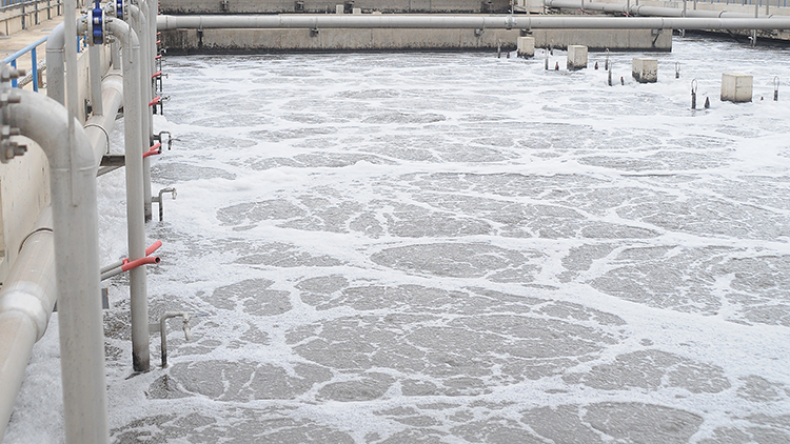
Using modern treatment techniques, treated water can address numerous challenges associated with forest fire suppression and aid in preserving vegetation. Advanced filtration and purification processes ensure that the water is suitable for environmental application without causing secondary harm. Investing in contemporary treatment plants, continuously monitoring water quality, and establishing clear standards for reuse are identified as steps that could transform treated water from an environmental burden into a strategic asset. Such investments would ensure the reliability and safety of the treated water supply. Forest reservoirs can be controlled automatically with technological advancements and artificial intelligence solutions, allowing for efficient management and rapid deployment of resources during emergencies. This integration of smart technology promises to optimize water use and fire response capabilities.
Small-scale projects initiated by young people, focusing on environmental conservation and water treatment, often employing Algerian-made equipment, have demonstrated success. These grassroots initiatives showcase local expertise and the potential for sustainable, community-driven solutions. The reuse of treated water in specific applications warrants further study, guided by precise scientific standards. Full research is essential to fully understand the long-term ecological impacts and to refine treatment protocols for various reuse scenarios.
Safety and Quality Considerations
For forest fires, water must be available, safe for forest inhabitants, less harmful to the environment, and technically suitable for firefighting. These criteria are critical to ensure that firefighting efforts do not inadvertently cause further ecological damage or health risks. Agricultural engineer Ahmed Malha stated that using treated water for firefighting can be part of the solution, but emphasized it must not be done haphazardly. He stressed the importance of a well-regulated and scientifically sound approach to prevent unintended consequences. The safety of treated wastewater for firefighting depends on the level of treatment, the nature of any remaining pollutants, the specific storage and usage methods employed, and strict adherence to established health and environmental standards. A multi-faceted approach to quality control is therefore indispensable.
Water deployed in firefighting operations can reach soil, watercourses, rivers, and lakes, creating a potential pathway for the transfer of pollutants or chemicals into the broader ecosystem. This necessitates careful consideration of the chemical composition of treated water to prevent contamination of natural habitats and drinking water sources. Storage practices can significantly affect the quality of treated wastewater. Stagnant water in reservoirs, for instance, may degrade over time or develop biofilms, impacting its suitability and safety. Proper reservoir design, maintenance, and regular water quality testing are key to mitigate these risks. The overall success of using treated water for firefighting ultimately depends on strict protocols for treatment, continuous monitoring of water quality, and strong health and environmental oversight throughout the process. This full oversight ensures that treated wastewater becomes a reliable and safe resource in the ongoing battle against devastating forest fires.