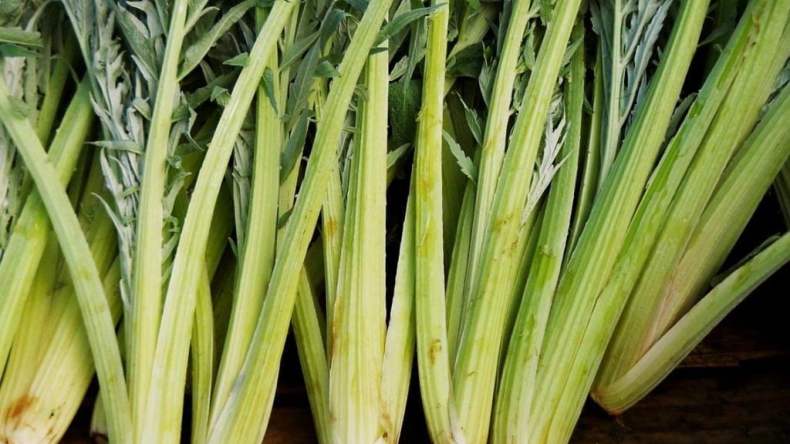
A systematic review of 5 clinical trials involving 333 patients with fatty liver disease indicates that artichoke leaf extract may influence liver health. Researchers observed a decrease in liver enzymes ALT and AST among participants following the administration of the extract. These findings provide data on the potential therapeutic effects of the supplement in managing enzyme levels associated with the condition. The review focused on the physiological response of the liver to the extract across the selected study groups. No other clinical outcomes or long-term impacts were identified in the review of the 333 patients. The systematic review noted that the reduction of these specific enzymes serves as a primary indicator of how the extract interacts with hepatic markers during the treatment period.
Liver and Cholesterol Research
A systematic review and meta-analysis published in 2024 examined 20 randomized clinical trials to evaluate the impact of artichoke extract on cholesterol levels. This full analysis of 20 randomized clinical trials was conducted to determine the efficacy of the supplement in regulating lipid profiles. Researchers reported that participants receiving the extract experienced a reduction in LDL cholesterol by 12.94 mg/dL. The data also indicated a decrease in total cholesterol by 19.64 mg/dL when compared to individuals who were administered a placebo. By comparing the results of the 20 randomized clinical trials, the study established a consistent trend regarding the supplement's influence on lipid metabolism.
Clinical trials have also investigated the effect of the supplement on digestive health. A study involving 247 participants diagnosed with functional dyspepsia tracked symptom progression over a period of 6 weeks. In this clinical trial involving 247 people, the researchers monitored the daily experiences of the participants to determine if the extract provided relief from gastrointestinal discomfort. Those who consumed artichoke leaf extract reported greater improvement in their symptoms than the group assigned to the placebo. The 6-week duration of the study allowed for the observation of symptom changes over time, noting a measurable benefit for those dealing with functional dyspepsia.
Medical guidelines regarding the consumption of these preparations note specific safety concerns. Artichoke leaf preparations are contraindicated for individuals diagnosed with bile duct obstruction. Patients with gallstones are also advised to use the extract with caution, as the physiological effects of the extract on the bile duct system may exacerbate existing conditions.
The European Medicines Agency provides further guidance on the clinical application of these supplements. The agency advises caution when using artichoke leaf preparations for patients with existing liver and bile duct diseases. This regulatory stance is intended to ensure that patients with pre-existing conditions in these specific anatomical areas avoid potential complications. By issuing this guidance, the European Medicines Agency emphasizes that while the extract has potential benefits, the presence of certain medical histories necessitates a measured approach to its use in a clinical setting.