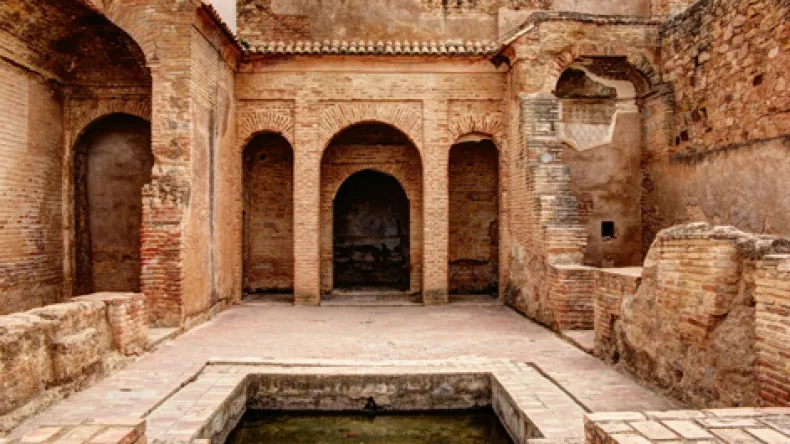
The Zayyanid dynasty established Tlemcen as their official capital and commissioned the construction of the Mechouar Palace. Over subsequent centuries, the structure underwent significant transformations, serving as a church and a French residence before undergoing restoration efforts following Algerian independence. French colonial authorities oversaw the destruction of approximately 70 percent of the city's architectural heritage and palaces during their administration. These historical shifts fundamentally altered the urban landscape of Tlemcen, leaving a fraction of the original royal residences intact. The Mechouar remains a central point of study for researchers examining the architectural legacy of the Zayyanid period in North Africa.
Almoravid Foundations and Destruction
Almoravid rulers established the Al-Bali Palace and the Dardasha Palace in Tlemcen to serve as royal residences. These structures stood for centuries as prominent examples of the architectural influence exerted by the dynasty in North Africa. French colonial forces later oversaw the destruction of both sites during their administration of the region. The removal of these buildings resulted in the loss of major Almoravid landmarks within the city. No remnants of the Al-Bali Palace or the Dardasha Palace remain today following these actions. The destruction of these palaces removed significant components of the early urban heritage of Tlemcen.
Zayyanid Dynasty Architectural Legacy
Several other royal residences defined the Zayyanid architectural presence within Tlemcen. These structures include Qasr al-Surur, Qasr al-Aziz, Qasr al-Diyaf, Qasr Shanqar, and the palace of Sultan Abd al-Jalil. Each site served as a component of the dynasty’s administrative and residential footprint throughout the city.
The Hanoun Palace, also referred to as Qasr al-Safsaf or Qasr al-Minya, sits five kilometers from the Mechouar Palace. Historical records indicate that Sultan Abu Said Uthman ibn Yaghmurasin likely commissioned this building for his wife, Hanoun. Excavations at the site occurred during the late 19th century, led by archaeologists Georges Marçais and Alfred Ball. The team conducted these investigations over a period of three months to document the layout and architectural features of the palace.
The Marinid dynasty also contributed to the city's built environment through the construction of the Dar al-Sultan palace. Workers completed this structure between 1335 and 1357. The location of the palace is near the mosque and tomb of Sidi Abu Madyan Shu'ayb.