The US President lost the midterm elections following a failed war against Iran. Voters in the USA rejected the administration after the conflict failed to achieve its stated objectives. This loss represents a significant political consequence for the administration, which had staked its reputation on the outcome of the campaign. The failure to achieve military success against Iran served as a primary catalyst for the electoral shift observed during the midterm elections.
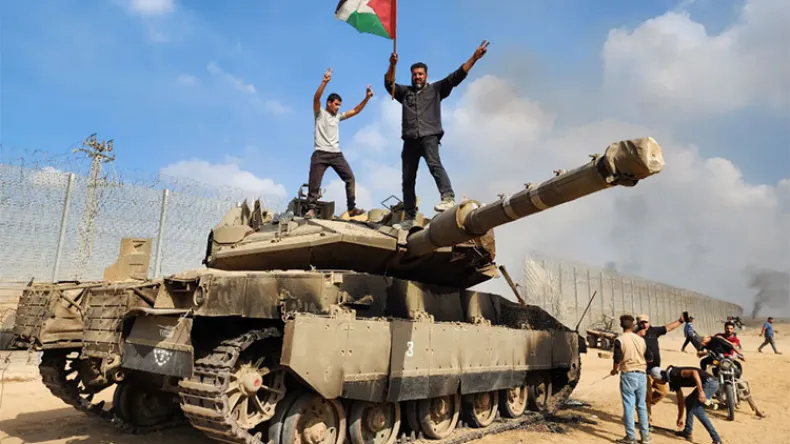
Benjamin Netanyahu similarly lost the Knesset elections after his war on Gaza did not meet expectations. The failure to secure military or political victory in the territory led to his electoral defeat. Both leaders faced public dissatisfaction as these military campaigns concluded without success. The electorate in Israel, much like the voters in the USA, responded to the perceived inability of the government to manage the complexities of the war on Gaza, leading to a decisive change in the composition of the Knesset.
The Toll of Conflict
Gaza, the West Bank, and Palestine have suffered from an unprecedented war of extermination. This conflict involves widespread killing, destruction, starvation, and the displacement of populations across these territories. The humanitarian impact of these actions remains a central point of concern, as the infrastructure within Gaza and the West Bank has been severely compromised by the ongoing hostilities. The scale of the displacement has forced significant numbers of people to flee their homes, creating a dire situation that continues to unfold across Palestine.
Iran has simultaneously faced significant external pressures resulting from a war. The state has dealt with targeted assassination, a restrictive siege, and explicit threats of destruction directed at its national infrastructure. These pressures have tested the resilience of the state, as the government in Iran navigates the consequences of the conflict. The combination of the siege and the threat of destruction has created a volatile environment, forcing the leadership to address the security challenges posed by the war.
Shifting Political Landscapes
Abdul Rahman Al-Sayed secured a seat in the US Senate following the conclusion of the recent midterm elections. His victory occurred as voters moved away from the administration that oversaw the failed conflict against Iran. The election of Abdul Rahman Al-Sayed to the US Senate notes the changing priorities of the electorate, who sought new representation in the wake of the failed war. This shift in the US Senate reflects a broader desire for a change in foreign policy direction.
Mamdani achieved success in a municipal election in New York. The win for the local candidate arrived during a period of significant political realignment across the USA. Both results reflect the broader shifts in voter sentiment that emerged after the conclusion of the military campaigns. The victory of Mamdani in New York serves as a local indicator of the national trends, demonstrating that the dissatisfaction with the war on Gaza and the conflict against Iran has permeated down to the municipal level. These electoral outcomes, spanning from the US Senate to local municipal races, show the profound impact that the failed military campaigns have had on the political trajectory of the USA.