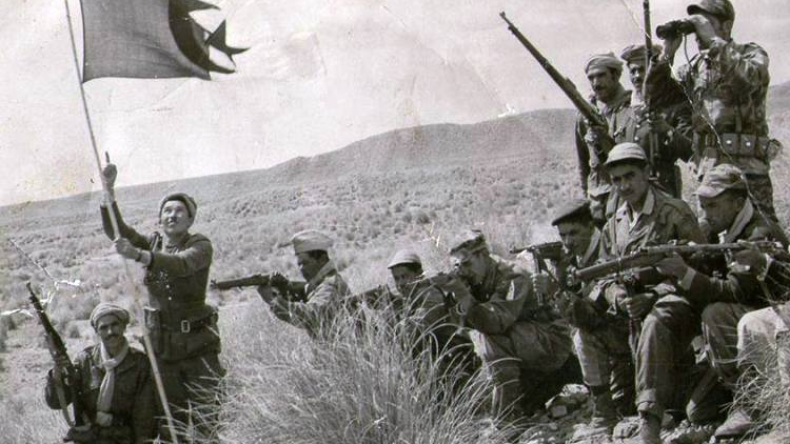
Algeria marks the 72nd anniversary of the November 1, 1954 revolution today, 1 November 2026. This date commemorates the start of the armed struggle for independence that transformed the political trajectory of North Africa. Citizens across the nation observe the historical milestone as a defining moment in the country's quest for sovereignty. The revolution began in 1954, sparking a decade-long conflict that concluded with the establishment of the modern state. Official ceremonies recognize the actions taken by revolutionaries during the mid-twentieth century to secure national autonomy. The legacy of the movement remains central to current public discourse in Algeria, reflecting the enduring impact of the 1954 events on the regional identity shared with Morocco and Tunisia.
Foundations of Algerian Sovereignty
The November 1, 1954 Declaration functions as a foundational charter for the construction of the Algerian state and the establishment of a participatory democracy. This document serves to define the governing principles of the nation, outlining a framework for national development based on the objectives set forth at the start of the armed struggle. It explicitly emphasizes the importance of national unity and identifies the Algerian people as the primary source of sovereignty.
The declaration addresses the populace directly, stating: "Ayouha al-sha'b al-Jaza'iri, ayuha al-munadilun min ajl al-qadiyya al-wataniyya, antum alladhina satusdiron hukmakum bisha'nina na'ni al-sha'b bisifa 'amma, wa al-munadilin bisifa khassa nu'limukum anna gharadana min nashr hadha al-i'lan huwa an nuwaddih lakum al-asbab al-'amiqa allati dafa'atna ila al-'amal, bi-an nuwaddih lakum mashru'ana wa al-hadaf min 'amalina, wa muqawamat wijhat nazarina al-asasiyya allati dafa'atna ila al-istiqlal al-watani fi itar al-shamal al-afriqi, wa raghbatuna aydan hiya an junannibakum al-iltibas alladhi yumkin an tuqi'akum fihi al-imbiriyaliyya wa 'umala'uha al-idariyyun wa ba'd muhtarifi al-siyasa al-intihaziyya."
Regarding the state of the movement at that time, the declaration asserts: "Nahnu na'tabir qabla kulli shay' anna al-haraka al-wataniyya ba'da marahil min al-kifah qad adrakat marhalat al-tahqiq al-niha'iyya. Fa-idha kana hadaf ayy haraka thawriyya fi al-waqi', huwa tahyi'at jami' al-zuruf al-thawriyya lil-qiyam bi-'amaliyya tahririyya, fa-innana na'tabir al-sha'b al-Jaza'iri fi awda'ihi al-dakhiliyya muttahidan hawla qadiyyat al-istiqlal wa al-'amal."
The Algerian Revolution, initiated by these principles, continued until it successfully achieved the independence of Algeria on 5 July 1962. This event marked the culmination of the struggle for national autonomy, transitioning the country from a period of colonial rule to the formation of a sovereign state. The legacy of the 1954 declaration persists as the guiding document for the political and democratic evolution of the nation.