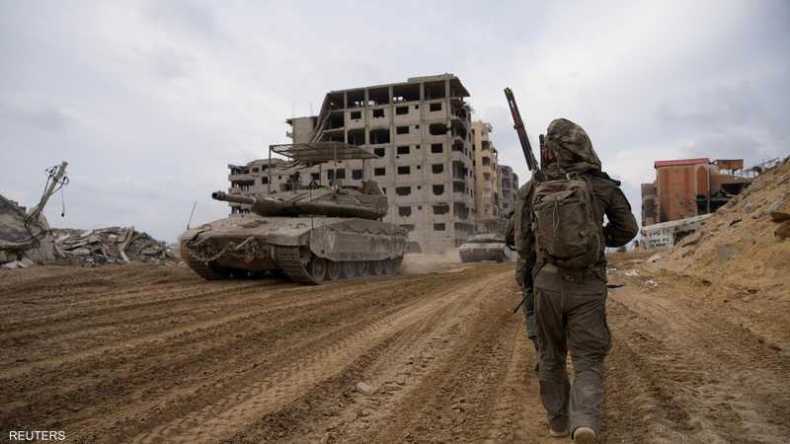
The conflict in Gaza began on 6 November 2023, exactly three years prior to the publication date of 6 November 2026. This period of sustained violence followed the event referred to as 'Al-Aqsa Flood', which triggered a military response from the occupying power. The stated objective of this military response was to destroy Gaza. The commencement of these hostilities signaled a profound shift in the regional landscape, setting into motion a series of cascading effects that have reached far beyond the immediate geography of the conflict zone.
Economic Consequences of Conflict
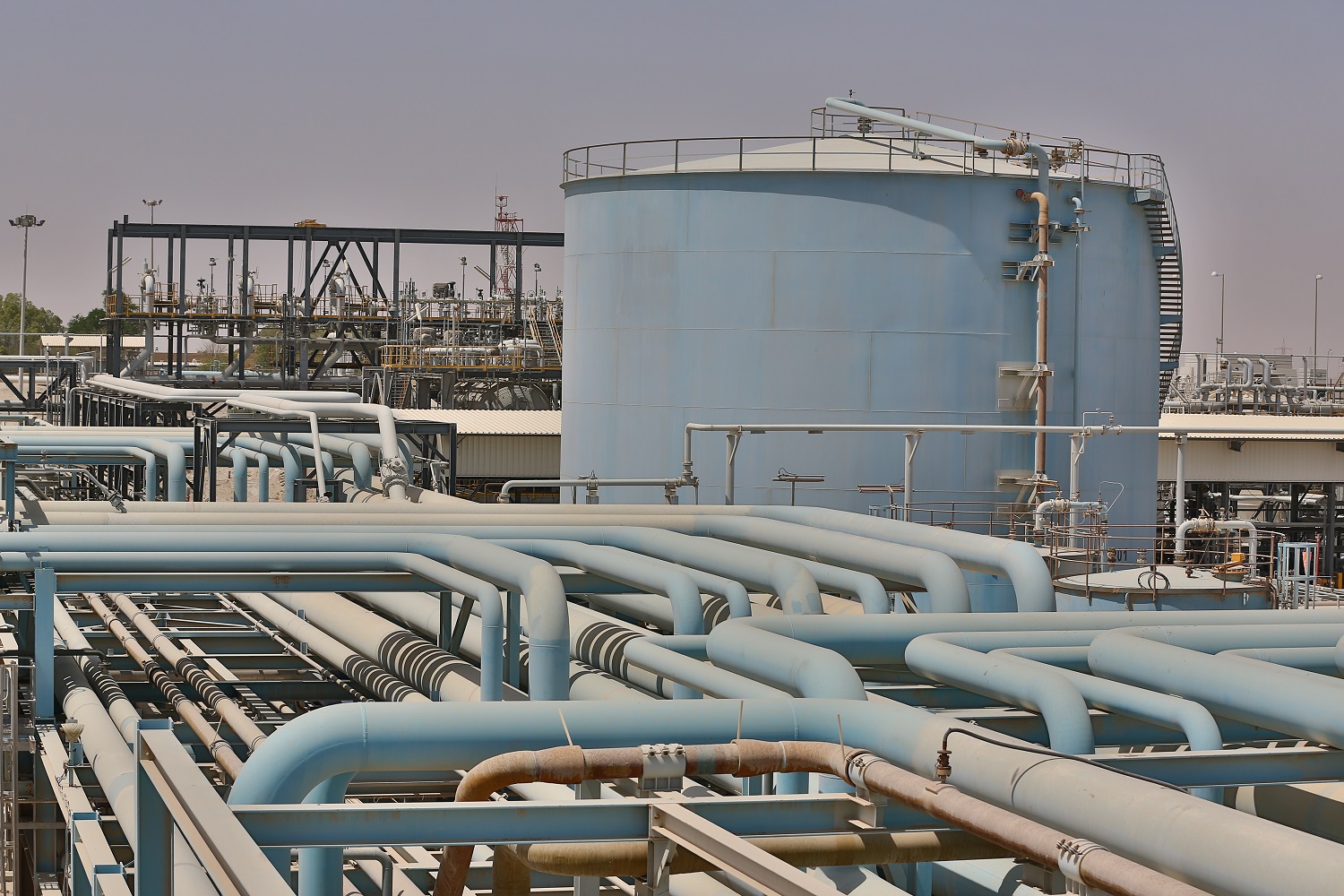
Rising prices for oil and diesel have emerged as direct consequences of the ongoing conflict and specific foreign policy decisions made by the United States. Market data identifies these energy cost increases as linked to the broader regional stability issues surrounding the military operations in Gaza and the subsequent shifts in global supply chains. Consumers in the United States and Europe face higher fuel expenditures as a result of these shifts, which market analysts attribute to the disruption of transit routes through the Strait of Hormuz.
The economic impact is not limited to localized fluctuations; rather, the persistent nature of the military engagement has necessitated a sustained focus on the security of energy corridors. As oil and diesel prices continue to fluctuate in response to the volatility in the region, the reliance on stable supply chains has become a central concern for policymakers. The decisions made by the United States regarding its foreign policy have directly influenced the price points seen at fuel pumps across Western markets. This financial burden on households in the United States and Europe notes the interconnected nature of modern energy markets and the susceptibility of these systems to regional military developments. The sustained higher costs for essential fuels reflect the broader economic reality that follows the strategic choices made by the administration in the context of the ongoing war.
Political Challenges and Electoral Impact
The United States administration encountered substantial political challenges during the midterm elections held throughout the country. These electoral difficulties are linked to the ongoing involvement of the United States in the war in Gaza and the heightening of diplomatic and military tensions with Iran. Campaign trackers note that the administration struggled to maintain voter support as public scrutiny intensified regarding the government’s approach to regional security and the resulting domestic economic pressures. Political strategists observed that these tensions played a role in the legislative outcomes of the midterm cycle, as voters weighed the costs of the military commitment against the domestic impact of energy inflation.
The intersection of foreign policy and domestic electoral performance became a defining feature of the midterm period. As the administration navigated the complexities of its diplomatic stance, the electorate expressed its concerns through the ballot box. The legislative shifts observed during this cycle reflect a public that is increasingly sensitive to how international military commitments translate into domestic realities. By linking the ongoing war in Gaza and the escalating tensions with Iran to the broader economic climate, voters demonstrated a clear focus on the tangible consequences of the administration’s foreign policy decisions. This dynamic forced a recalibration of political priorities as the government attempted to address both the external security environment and the internal demands of a populace grappling with the costs associated with these strategic engagements. The midterm results serve as a barometer for the administration's ability to manage these dual pressures effectively.