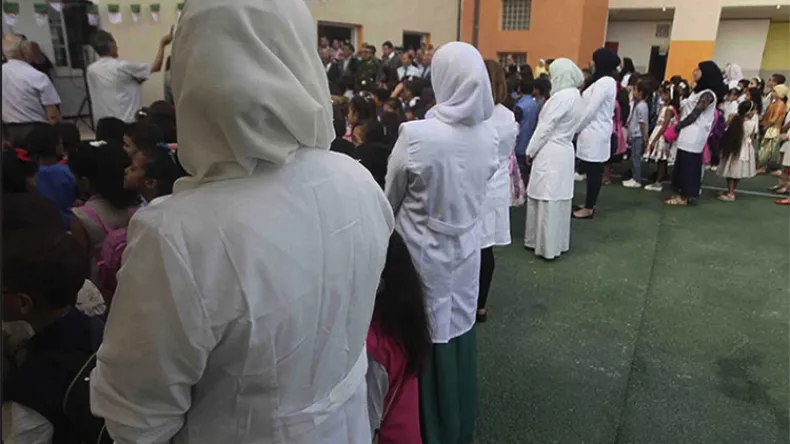
Teachers at primary, middle, and secondary educational levels have faced rejections for their inter-wilaya transfer applications. This situation has led to widespread concern among educators seeking to relocate for various personal and professional reasons. In response, the affected teachers have proposed that authorities organize an exceptional second round for the transfer movement. This appeal comes after numerous applications were denied, prompting calls for an additional opportunity to facilitate transfers between wilayas. The educators are emphasizing the significant impact these rejections have on their lives and their ability to plan for the upcoming academic year.
Transfer Results Announced
The Ministry of National Education announced the results of the inter-wilaya transfer movement for the 2026/2027 academic year on Thursday, August 27. The announcement detailed the outcomes for teachers who had applied for transfers between wilayas. This release of results has prompted significant discussion among the teaching community, particularly those whose applications were not approved. The ministry's decision on the transfers is a key administrative process affecting numerous educators across the country each year. Many teachers expressed disappointment and frustration upon learning their applications had been unsuccessful, noting the need for a more flexible and responsive transfer system. The current process, they argue, does not adequately address the volume of requests or the individual circumstances of teachers.
Teachers' Proposed Solutions
Teachers are appealing directly to the Minister of National Education, Mohamed Small Saadaoui, to intervene in the transfer process and address their concerns. They are specifically requesting the activation of an exceptional second round for the inter-wilaya transfer movement. This second round, they contend, would provide a key opportunity for those whose initial applications were rejected, allowing them to secure transfers before the commencement of the new school year. The teachers also propose that all vacant and workable financial positions be announced publicly, ensuring transparency and enabling applicants to make informed decisions. This measure, they believe, would help clarify the actual availability of positions across different wilayas.
They advocate for the cancellation of the current condition that prevents outward transfer requests unless a vacant financial position of the same rank is available. This condition, teachers argue, severely limits their mobility and often leaves potential positions unfilled. Teachers suggest implementing an exceptional mechanism to evaluate applications based on existing available positions, rather than strictly adhering to the one-for-one replacement rule. This proposed mechanism aims to introduce greater flexibility into the transfer system. They also emphasize that inter-wilaya transfer requests should be prioritized before the appointment of successful candidates from competitions or the allocation of financial positions to contract teachers. This prioritization, they explain, would ensure that the needs of existing teachers seeking transfers are met first, contributing to greater stability within the educational workforce.
Ministry's Integration Efforts
The Ministry of National Education has absorbed and integrated approximately seventy thousand teachers into its system. This large-scale integration effort reflects ongoing strategies to staff educational institutions nationwide and acknowledges the critical role teachers play in the country's education system. Concurrently, the ministry has also processed a significant number of new recruits through competitive examinations. More than sixty thousand candidates were accepted in the national competition for external recruitment of teachers, often referred to as the 'first division'. These recruitment and integration initiatives aim to address staffing needs across various educational levels, from primary to secondary education. The ministry’s efforts to integrate a substantial number of educators show its commitment to maintaining and expanding the teaching workforce, ensuring schools are adequately staffed to serve student populations effectively.
Urgency Before School Year
The new school year is scheduled to commence on Monday, September 21, 2026. Teachers are actively seeking solutions to their transfer issues before this date, showing the immediate nature of their demands. Their appeals for a second transfer round highlight the urgency of addressing rejections and facilitating inter-wilaya movements ahead of the academic year's start. The educators' push for swift resolution aims to ensure stability in staffing and personal arrangements as the school term approaches. Many teachers are facing personal hardship and logistical challenges due to the uncertainty surrounding their transfers, making a timely resolution imperative for their well-being and their ability to effectively prepare for their teaching duties.