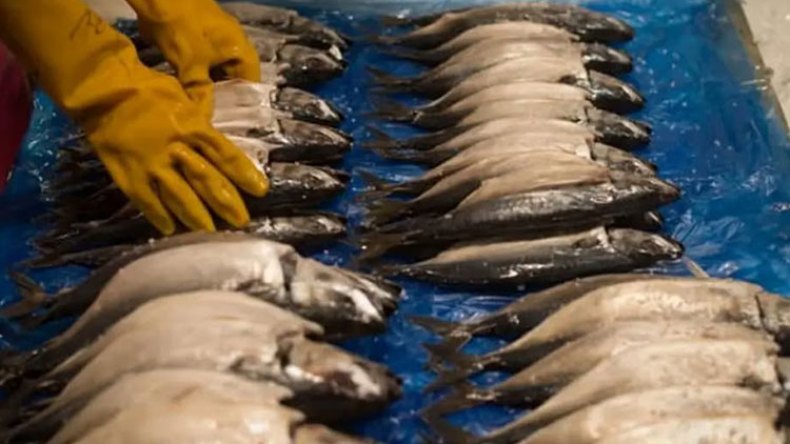
Spanish authorities issued official alerts in October 2026 regarding imports of seafood products originating from Morocco. These regulatory actions follow three specific incidents recorded during the month involving potential safety risks and improper storage conditions. The three incidents recorded in October 2026 are linked to seafood products and concerns over safety and storage conditions. Officials in Spain identified the irregularities while monitoring shipments entering the country for distribution across Europe. Inspectors flagged the items after determining that the handling processes failed to meet established health protocols. The government maintains these warnings to prevent the entry of substandard goods into the internal market. Relevant agencies continue to evaluate the supply chains involved to ensure future compliance with safety regulations governing international food trade.
Parasite Found in Swordfish
Spanish inspectors destroyed a shipment of swordfish originating from Morocco on 13 October 2026 after laboratory testing identified the presence of the Anisakis parasite. On 13 October 2026, a shipment of swordfish from Morocco was destroyed after the discovery of the Anisakis parasite. This biological contaminant, common in marine environments, necessitated the immediate seizure and disposal of the cargo to prevent its entry into the food supply chain. The laboratory analysis conducted by Spanish authorities confirmed the presence of the parasite, which led to the immediate activation of safety protocols designed to protect the domestic food market from biological hazards.
Separate testing procedures conducted on 15 October 2026 revealed the presence of Salmonella bacteria in five distinct samples of fish meal imported from Morocco. On 15 October 2026, Spanish authorities detected Salmonella bacteria in five samples of fish meal imported from Morocco. The findings prompted health officials to isolate the affected products and prevent their distribution, as the pathogen poses significant risks to consumer health. The five samples were subjected to rigorous testing to verify the bacterial load and ensure that the contaminants did not reach the broader consumer distribution network.
Storage conditions for a shipment of surimi imported from Morocco failed to meet required safety standards, leading Spanish authorities to order the destruction of the entire consignment. Spanish authorities destroyed a shipment of surimi imported from Morocco after detecting improper storage temperatures during transport. Inspectors determined that the product was maintained at improper temperatures throughout the duration of its transport, potentially compromising the integrity of the seafood. The destruction of the consignment was carried out under strict supervision to ensure the compromised goods were removed from the supply chain entirely.
Spanish officials formally notified European authorities regarding the surimi incident on 21 October 2026. Spain notified European authorities of the surimi incident on October 21, 2026. This notification serves as part of the established reporting framework for tracking imported goods that do not comply with health regulations within the European market. By reporting these findings to the broader European network, Spanish authorities aim to maintain transparency and ensure that all member nations are alerted to potential risks associated with these specific import channels. The ongoing monitoring of these supply chains remains a priority for the government as it continues to enforce health and safety standards for all incoming seafood products.