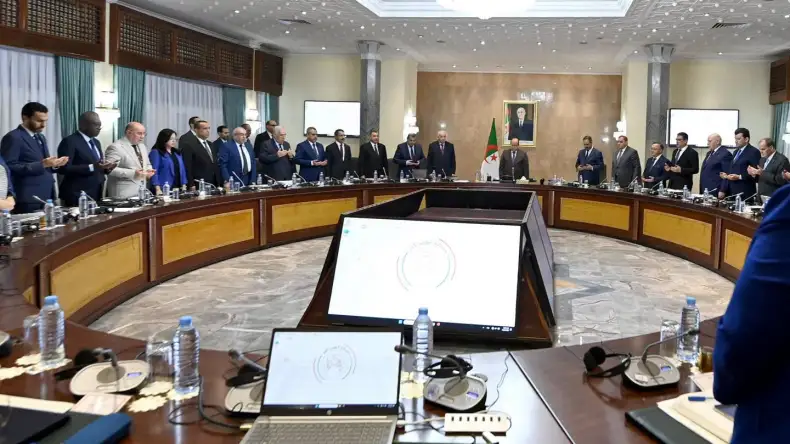
Schneider Electric and AVEVA are prioritizing digitalization, artificial intelligence, and data to transform Algeria's electrical industry, aiming to usher in a new era of efficiency and reliability. The companies recently convened to address the pressing challenges of digital transformation within the nation's critical electrical infrastructure. A central focus of their full discussions was the vital issue of ensuring continuity in electricity supply across the country, a cornerstone for economic development and societal well-being. This strategic collaboration shows a commitment to leveraging advanced technologies to meet Algeria's growing energy demands and modernize its industrial landscape.
Industry Challenges and Digital Solutions
The in-depth discussion noted the significant and evolving role of data, artificial intelligence, and industrial software across various key sectors, including industry, water management, energy production and distribution, and hydrocarbon exploration and processing. During the event, AVEVA showcased its sophisticated solutions, specifically designed for advanced analysis, full supervision, and the careful optimization of operations across these diverse industries. A key point that was emphatically emphasized was the deep complementarity between Schneider Electric's strong hardware offerings and AVEVA's advanced software capabilities. This synergy is seen as key for delivering integrated, end-to-end digital solutions. Algeria, with its rich natural resources and strategic geographical position, possesses a solid industrial base, encompassing key sectors such as energy generation, gas extraction and processing, petrochemicals, electricity transmission and distribution, water management, and a burgeoning manufacturing sector.
AVEVA currently provides essential support to major players in critical sectors such as water utilities, hydrocarbon industries, agri-food production, infrastructure development, and manufacturing. These entities are actively engaged in ambitious digital transformation projects, seeking to enhance their operational performance and competitiveness. The primary challenge identified in these endeavors is not merely the collection of vast quantities of data, but rather the more complex and key task of transforming this raw data into practical, actionable tools for informed decision-making. Software, in this context, provides the key added value of processing, popularizing, and simplifying complex data, making it accessible and understandable for decision-makers at all levels. Technologies presented during the discussions included artificial intelligence, advanced data analysis techniques, full supervision platforms, and sophisticated digital twins. Digital twins, in particular, were described as virtual replicas of physical installations, which are used to simulate various scenarios, anticipate potential failures before they occur, and continuously optimize operational efficiency. These digital solutions enable operators to gain full, real-time visibility into their installations, allowing them to quickly identify problems and intervene without significant delays, thereby minimizing downtime and maximizing productivity.
Schneider Electric's Algerian Footprint
Schneider Electric has maintained a strong and enduring presence in Algeria for an impressive 60 years, demonstrating a long-term commitment to the nation's development. The company has been engaged in local production within Algeria for 25 years, contributing directly to the local economy and job creation. The company proudly reports possessing one of the largest installed bases across the entire African continent, a testament to its extensive reach and impact. Its operational footprint in Algeria includes two advanced production platforms, strategically located in Sidi Rached and Sidi Bel Abbès, which serve as key hubs for manufacturing and innovation. Schneider Electric employs nearly 200 dedicated collaborators in Algeria, fostering local talent and expertise.
Beyond its industrial operations, the company also operates a specialized training center that educates close to 2,000 individuals annually, equipping them with the skills necessary for the modern electrical sector. Schneider Electric actively partners with the Ministry of Professional Training and Education to support and enhance professional development initiatives across the country. This significant collaboration extends to the establishment and operation of four centers of excellence, which were created in partnership with the Ministry. These centers play a key role in contributing to the continuous development of essential skills within the electrical sector, ensuring a well-trained and capable workforce for Algeria's future. The modernization of existing installations is deemed absolutely necessary to facilitate the effective and smooth collection of data by advanced software and artificial intelligence systems. This critical modernization effort is key for successfully integrating advanced digital solutions into Algeria's electrical infrastructure, aligning with broader national digital transformation goals in the sector.
Leveraging Data and AI for Performance
The fundamental question for the Algerian electrical sector is how to transition effectively from isolated pilot projects, which often demonstrate promising results on a small scale, to achieving large-scale, reproducible impact through full digital initiatives. Sectors such as energy production and distribution, data centers, mining operations, manufacturing facilities, and critical infrastructure are identified as being among the most advanced in adopting artificial intelligence and digital technologies across both Algeria and the broader African continent. This widespread adoption is seen as key for driving unparalleled efficiency and fostering continuous innovation within these key economic areas, positioning them for future growth.
The ultimate success of Algeria's digital transition, particularly within the vital electrical sector, hinges significantly on the ability to train and robustly support local talent. Developing a highly skilled and adaptable workforce is considered absolutely essential for the effective implementation and sustained operation of advanced digital solutions. Investing strategically in local skills development is therefore seen as a key accelerant for the digital transformation processes currently underway in Algeria. This profound focus on human capital aims to ensure that the country can effectively integrate new technologies, adapt to evolving demands, and consistently improve operational performance across its entire electrical infrastructure, securing a resilient and advanced energy future. The objective is clear: to reduce downtime, significantly improve infrastructure reliability, and substantially enhance overall operational performance.
Expert Perspectives on Digitalization
A key meeting organized by Schneider Electric in partnership with AVEVA took place on June 24th at Schneider Electric's production site in Sidi Rached, located in the Tipaza province. This significant event was specifically designed to discuss and strategize on methods for reducing downtime, improving infrastructure reliability, and enhancing operational performance within Algeria's vital electrical sector. Experts present at the meeting noted the immense opportunity to leverage advanced digital technology and artificial intelligence to optimize existing assets, significantly improve their reliability, reduce energy intensity, and, crucially, transform raw operational data into measurable and actionable performance indicators. Operational data was specifically identified as a unique and invaluable resource that gains exponential value with consistent and intelligent use. The Algerian market, in the context of digitalization, is considered a high value-added market and stands out as an exception compared to many other African countries due to its advanced state of digital adoption and readiness. According to observations made by industry leaders and experts, Algerian engineers demonstrate a very high level of maturity and proficiency regarding digital technologies, showing the nation's potential as a leader in digital transformation within the region. AVEVA, the key partner in this initiative, is a British group specializing in industrial software, bringing world-class expertise to Algeria's digital ambitions.