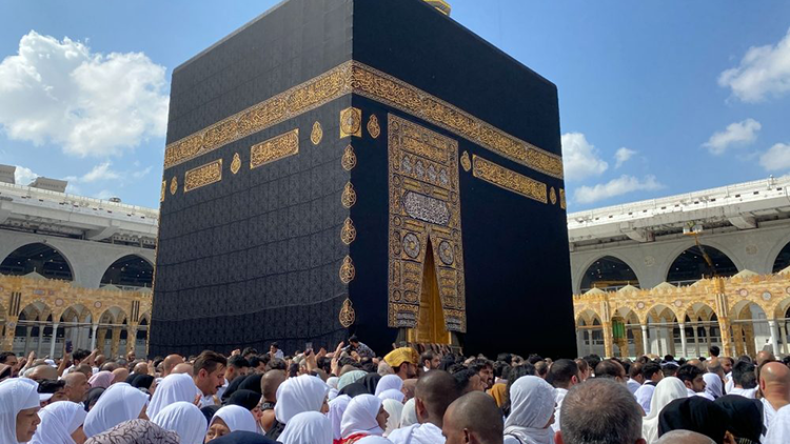
Saudi health authorities have identified nine specific diseases and health conditions that will prevent individuals from performing the Hajj pilgrimage for the year 2027. This full list of health criteria shows a renewed focus on pilgrim well-being and public health during the annual religious event. Medical eligibility for Hajj is a prerequisite for organizing the 2027 Hajj campaign, ensuring that all participants are physically capable of undertaking the demanding spiritual journey. In response to these stringent requirements, the Ministry of Health in Algeria has also set conditions for organizing medical examinations for Algerian pilgrims, aligning its national protocols with the new health requirements stipulated by Saudi authorities. This proactive approach aims to streamline the selection process and ensure that all Algerian pilgrims meet the necessary health standards before their departure.
Disqualifying Health Conditions Detailed
Saudi health authorities have specified a range of health conditions that will disqualify individuals from participating in the 2027 Hajj pilgrimage. These conditions are designed to protect both the individual pilgrim and the wider community, preventing potential health crises during the crowded pilgrimage. Among these are mental and psychological illnesses, which can pose significant challenges in a high-stress environment like the Hajj. The list specifically includes both chronic and acute forms of these conditions, recognizing the varying degrees of impact they can have on an individual's ability to perform the rituals safely and effectively.
Kidney failure, whether chronic or acute, which necessitates dialysis, also renders an individual ineligible. This is due to the intensive medical support required for such conditions, which may not be readily available or sustainable amidst the rigors of the pilgrimage. Pilgrims suffering from chronic or acute heart diseases will similarly be disqualified, as the physical exertion and emotional stress associated with Hajj could exacerbate these serious conditions. The Saudi Ministry of Health's directive emphasizes that the health and safety of pilgrims are critical, leading to these strict medical exclusions.
Additional chronic conditions causing concern include stable mental illnesses, which, despite their stability, could still present unforeseen complications during the Hajj. Patients currently undergoing dialysis, regardless of the underlying cause of their kidney failure, are also explicitly listed as ineligible. Severe heart diseases are a clear disqualification, acknowledging the significant risk of cardiac events during the pilgrimage. Advanced cancers, particularly those requiring ongoing treatment or causing significant physical debilitation, are also grounds for exclusion. Advanced pregnancies, especially those in their later stages, are considered high-risk for the pilgrim and are therefore disqualifying.
Chronic or acute respiratory diseases that require intermittent or continuous oxygen therapy are also listed as disqualifying conditions. The demanding physical nature of the Hajj, coupled with potentially challenging environmental conditions, makes such respiratory vulnerabilities a serious concern. Liver cirrhosis, particularly when accompanied by severe anemia, bleeding, or loss of consciousness, prevents participation due to the critical health risks involved. Neurological or psychological illnesses, both chronic and acute forms, are explicitly included in the list of disqualifying conditions, reflecting a full approach to mental and neurological health.
Old age, when accompanied by dementia, also makes an individual ineligible for the pilgrimage. The cognitive impairment associated with dementia could compromise a pilgrim's safety and ability to follow instructions, making independent participation difficult. Pregnant individuals in their last three months of gestation, or those with high-risk pregnancies, will not be permitted to perform Hajj, prioritizing the health of both mother and child. Infectious diseases such as tuberculosis are explicitly stated as disqualifying conditions, noting Saudi Arabia's commitment to preventing the spread of communicable diseases within the massive gathering of pilgrims. Individuals with active cancers or those undergoing chemotherapy, biological therapy, or radiation therapy are also among those who will be prevented from undertaking the pilgrimage, due to the compromised immune systems and general frailty often associated with these treatments. These detailed health criteria show a proactive strategy to safeguard the well-being of all Hajj participants.
Algerian Pilgrim Examination Protocols
In light of these stringent Saudi requirements, the Ministry of Health in Algeria has put forth a careful set of conditions for organizing the medical examinations of its prospective pilgrims. These full protocols are designed to ensure that every Algerian candidate meets the necessary health standards before being approved for the 2027 Hajj. Medical committees responsible for evaluating Algerian pilgrims will be composed of three doctors, ensuring a thorough and multi-faceted assessment. Significantly, one of these doctors will be specifically designated as a psychiatrist, emphasizing the importance of mental health evaluations in the overall assessment process. This inclusion notes the recognition of mental and psychological well-being as critical components for enduring the pilgrimage successfully.
Each pilgrim undergoing examination will have nail and hair samples collected as part of the health assessment process. This measure provides additional biological data points for a full health profile, potentially aiding in the detection of certain conditions or exposures. These medical examinations are scheduled to occur twice a week for candidates who have been officially accepted for the pilgrimage, ensuring timely and consistent health checks. This regular schedule allows for a thorough evaluation without undue delay.
For candidates designated as "outside quota," meaning those not initially selected through the primary lottery system but who may be considered if additional slots become available, the frequency of examinations may increase. For these individuals, sessions will potentially be held up to four times per week, reflecting the need for expedited assessment under specific circumstances. All candidates are required to present full documentation regarding their medical history during these assessments. This includes past medical records, current prescriptions, and any relevant diagnostic reports, providing the medical committee with a complete picture of their health status. Tools specified for the collection of nail and hair samples include nail clippers, scissors, and a dry tube, ensuring standardization and hygiene in the collection process. This careful approach aims to leave no stone unturned in verifying the health suitability of Algerian pilgrims.
Context and Previous Hajj Season
The Ministry of Health in Algeria issued a directive, referenced under number 07 MS/, to health directors and hospital directors across the country. This directive outlines specific guidelines and protocols for the upcoming Hajj season, ensuring a unified and consistent approach to pilgrim health screening nationwide. The communication emphasizes the critical nature of these medical evaluations in preparing the Algerian contingent for the Hajj. The 2026 Hajj campaign, which preceded these new directives, was reportedly conducted under generally good conditions, providing a positive backdrop for the implementation of these enhanced health measures. This positive experience from the previous year likely informed the development of even more strong health protocols for 2027, aiming to further improve pilgrim safety and well-being. The rigorous health checks for the 2027 Hajj reflect a commitment from both Saudi and Algerian authorities to prioritize the health and safety of pilgrims above all else.