A popular solidarity initiative occurred in Saida, Algeria, on July 24, 2026, where residents rallied in support of Civil Defense agents. The event saw community members express their backing for the agents, emphasizing local support for their efforts. This spontaneous outpouring of public support noted the deep appreciation felt by the local population for the dedicated service of these emergency responders. The initiative showed a powerful connection between the community and its civil defense personnel, particularly during times of heightened operational demand.
Community Mobilization Details
The community initiative in Saida (سعيدة), Algeria (الجزائر), on July 24, 2026, was specifically organized to show support for civil defense agents. Residents gathered to express their solidarity and appreciation for the efforts of these agents. The event showed the local population's backing for the civil defense forces operating in the region. This demonstration of community support aimed to acknowledge the agents' role and commitment. The gathering represented a collective expression of gratitude from the people of Saida towards the civil defense personnel. The residents' presence at the scene was a visible testament to their recognition of the vital work performed by these agents. Many brought water, refreshments, and words of encouragement, creating a supportive atmosphere that boosted the morale of the responders. This direct engagement from the community served as a powerful affirmation of the agents' sacrifices and tireless work in safeguarding lives and property.
Civil Defense Challenges
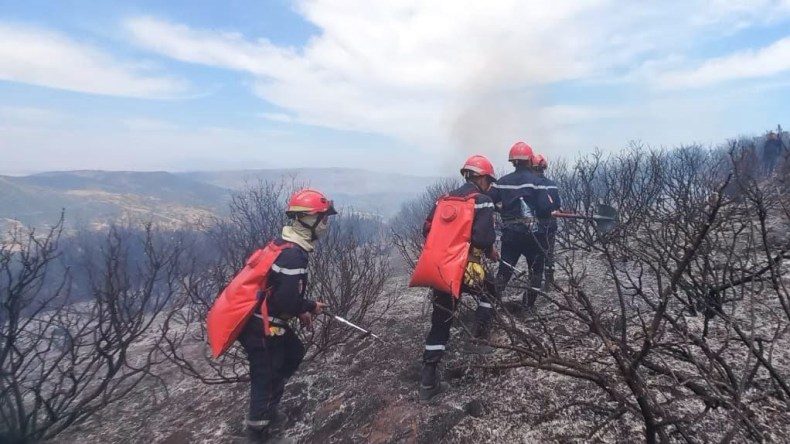
The community's expression of solidarity in Saida occurred while Civil Defense agents were actively engaged in firefighting operations. This direct support from residents provided key assistance during ongoing efforts to combat blazes in the area. The presence of the community members at the scene showed the challenging conditions faced by the Civil Defense teams as they worked to contain fires and protect local areas. Their operations often require immediate response and sustained effort, making community backing particularly impactful during these critical periods. The residents' actions demonstrated an awareness of the demanding nature of the agents' duties, especially when confronting environmental emergencies such as widespread fires. The ongoing firefighting operations presented significant logistical and physical challenges for the Civil Defense agents, who often work long hours in hazardous environments. The visible presence and active support of the Saida residents not only provided practical aid but also served as a psychological boost, reminding the agents that their strenuous efforts were seen and valued by the very people they were protecting. This solidarity during active emergency response is a testament to the strong community spirit prevalent in Saida.
Impact and Future Support
The recent display of community solidarity in Saida has noted the significant role local residents play in supporting emergency services. This public demonstration of appreciation for Civil Defense agents can bolster morale among responders and reinforce the perception of their vital contributions to public safety. Such initiatives often encourage continued volunteerism and local engagement, potentially fostering a more resilient community response to future emergencies. The collective action observed on July 24, 2026, also sets a precedent for how local populations can actively participate in acknowledging and aiding the efforts of Civil Defense teams. Moving forward, this support could translate into increased civic participation in disaster preparedness and response programs, strengthening the overall emergency management framework in Saida and similar regions. The positive feedback from the community can also serve as an incentive for new recruits to join the Civil Defense forces, ensuring a continuous supply of dedicated personnel. This proactive engagement from the public creates a virtuous cycle, where community support empowers emergency services, which in turn enhances public safety and fosters greater trust and collaboration between residents and first responders.