Algeria and Russia are working to resolve minor disputes that have impacted their bilateral relations in recent years. The two nations are reportedly focused on strengthening cooperation, particularly concerning stability in the Sahel region and the resumption of direct flight services. This diplomatic push aims to revitalize their strategic partnership, addressing points of contention and paving the way for enhanced collaboration in various sectors. The efforts signify a mutual interest in deepening engagement and aligning on key geopolitical and economic objectives, as both countries actively move to overcome minor disputes that have affected their bilateral relations in recent years.
Algeria's Sahelian Diplomacy
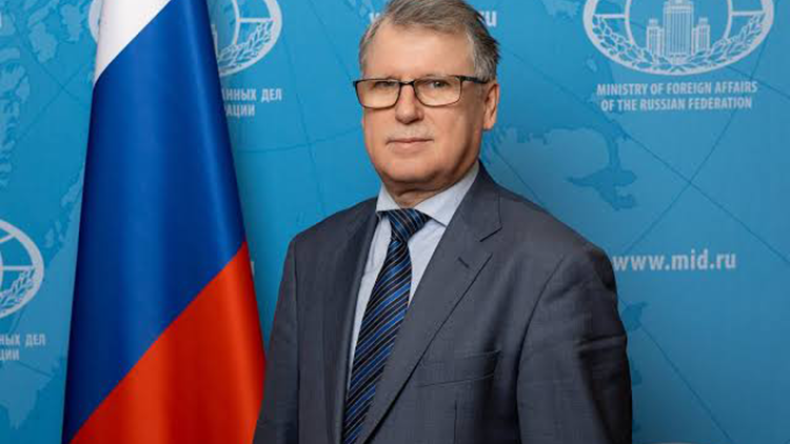
The Russian ambassador, Aleksey Solomatin, stated in an interview with RIA Novosti on Saturday, September 4th, that the recent rapprochement between Algeria and Mali would contribute to stability in Mali and the Sahel region. Moscow believes that dialogue and peaceful processes among regional countries will ensure stability and security across the entire Sahel. Algerian-Malian relations have calmed in recent weeks, following a period of tension. As part of this easing, Algeria decided to send its ambassador back to Bamako, and Mali reciprocated by sending its ambassador back to Algiers. Additionally, Mali decided to open its airspace to flights to and from Algeria, signaling improved bilateral communication. This diplomatic exchange and the reopening of airspace show a significant step towards normalizing relations between the two neighboring nations.
Malian transitional Prime Minister Abdoulaye Maïga visited Algiers on August 24th, delivering a message from Mali's transitional President Assimi Goïta to Algerian President Abdelmadjid Tebboune. This high-level exchange further solidified the improving ties between Algeria and Mali, demonstrating a shared commitment to regional stability. Beyond Mali, Algeria has also strengthened its relationship with Niger, providing military aid to counter a failed coup attempt in the country. This military aid notes Algeria's active role in supporting stability in the Sahel. Niger's ruling authorities accused France of being behind the failed coup attempt, an accusation Paris denied. Algeria's engagement in Niger reflects its broader strategy of fostering security and counteracting instability across the Sahel region, a critical area for both Algerian and Russian foreign policy interests. The concerted efforts by Algeria in the Sahel are seen by Moscow as vital for regional peace, aligning with Russia's own diplomatic perspectives on conflict resolution through dialogue.
Resuming Moscow-Algiers Flights
Russia and Algeria intend to work towards resuming direct flights between Moscow and Algiers as soon as possible. The resumption of these direct flights was a key topic during the recent meeting of the joint Russian-Algerian governmental committee, which took place in Moscow. Both nations expressed a strong desire to see these air links re-established, acknowledging their importance for various aspects of bilateral interaction.
Procedures and documents are currently being completed for the Algerian Airlines representative in Russia, a step essential for facilitating the re-establishment of the air link. This administrative work is a key part of the process, indicating tangible progress towards the goal. The absence of direct flights between the two capitals has had a negative impact on the movement of tourists and students. Travel between Russia and Algeria has become longer and more expensive for these groups due to the lack of direct service. The re-establishment of direct flights is expected to alleviate these burdens, making travel more accessible and affordable, thereby fostering greater cultural and educational exchange. The joint governmental committee meeting in Moscow served as a platform to accelerate these efforts, showing the mutual commitment to enhancing connectivity and people-to-people ties between Russia and Algeria. The aim is to streamline travel logistics and boost tourism and student mobility, which are considered vital components of the broader bilateral relationship.
Historical Ties and Normalization
A retired diplomat characterized relations between Algeria and Moscow as historical and deep-rooted. The diplomat described recent statements by the Russian ambassador as signifying "the clearing of clouds that had briefly obscured bilateral relations." These comments noted a shift following earlier remarks by Russian Foreign Minister Sergey Lavrov, which the diplomat referred to as "out of place." The current situation represents a "return to normal" in relations with Russia, a significant supplier of arms to Algeria and a consistent supporter of Algerian causes. The normalization efforts aim to reinforce this established partnership, moving past any temporary misunderstandings.
The retired diplomat emphasized that the historical foundation of the relationship provides a strong basis for overcoming minor disagreements. Algeria has long been a key partner for Russia, particularly in defense and international diplomacy. Russia's role as a major supplier of arms to Algeria has cemented a strategic bond that extends beyond transactional exchanges. Russia has consistently supported Algerian causes on the international stage, fostering a sense of solidarity and mutual respect. The "clearing of clouds" metaphor used by the retired diplomat suggests that while there may have been brief periods of tension or differing perspectives, the fundamental strength of the relationship allows for quick resolution and a return to a cooperative trajectory. This process of normalization is not merely about addressing specific issues but about reaffirming the enduring strategic alignment between the two nations, ensuring their partnership continues to thrive in various geopolitical contexts. The current diplomatic push, encompassing both regional stability in the Sahel and practical concerns like direct flights, reflects a full approach to strengthening this vital bilateral relationship.