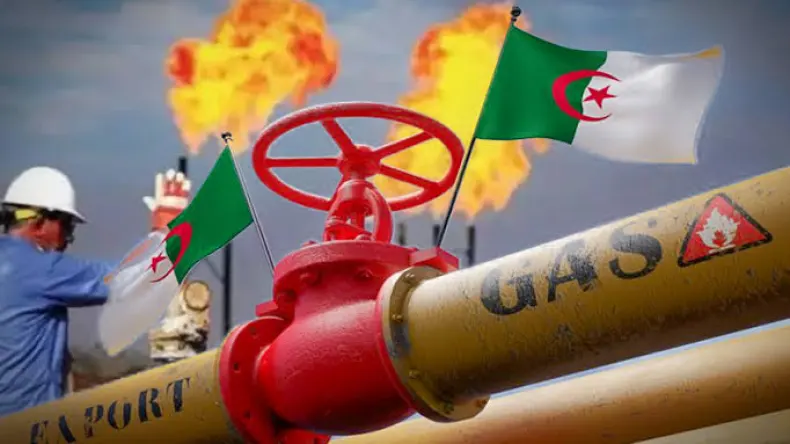
Gas prices exceeded 90 euros per megawatt-hour during trading on Monday, 19 October 2026. This price increase occurs as Sonatrach monitors shifting energy demand across Europe. The state-owned Algerian firm maintains existing supply contracts with partners in Italy and Spain while global market volatility continues to influence regional energy costs. Mohamed Arkab and Baghdad Mendouch oversee the ongoing export operations for the company as it navigates current fluctuations in international benchmarks. Rising costs across the sector reflect broader changes in energy trade dynamics affecting the Middle East and surrounding maritime transit routes including the Strait of Hormuz. Official data confirms the current valuation reflects the latest market activity recorded at the start of the week.
The current market environment is defined by these significant price movements, which have prompted Sonatrach to evaluate its strategic position regarding international exports. As the firm manages its logistics, the leadership remains focused on balancing contractual obligations with the potential for increased revenue presented by the current spot market valuations. The company continues to monitor the flow of energy resources to its primary European partners, ensuring that supply lines remain stable despite the external pressures currently influencing the global energy sector.
Drivers of Market Instability
Baghdad Mendouch, an energy expert, attributes the recent price increases to ongoing instability in the Middle East and the closure of the Strait of Hormuz. Records indicate that the Strait of Hormuz serves as a primary transit route for approximately one-quarter of global gas production. The closure of this vital maritime artery has created a significant supply bottleneck, which directly contributes to the upward pressure on energy prices observed globally. Because such a substantial portion of the world's gas production must pass through this corridor, the current disruption is being felt across multiple international markets. Baghdad Mendouch stated: "The current conditions provide the company with a favorable opportunity to offer additional quantities of gas on the free market and benefit from the recorded prices."
Minister of Energy and Mines Mohamed Arkab confirmed that Algerian gas sold under long-term contracts currently maintains a price of 11 dollars per million British thermal units (MMBtu). These existing agreements provide a baseline for the company's revenue even as spot market valuations fluctuate in response to regional disruptions. By maintaining these long-term price structures, the firm ensures a consistent economic foundation while simultaneously exploring the advantages of the current market volatility. The Minister of Energy and Mines Mohamed Arkab noted that these fixed-price contracts serve as a critical hedge against the unpredictability currently characterizing global energy trade.
The International Energy Agency expects global gas prices to continue on an upward trend until the end of 2026 if the Strait of Hormuz remains closed. The agency projects that persistent limitations on this maritime transit corridor will maintain pressure on international energy benchmarks throughout the remainder of the year. As the situation develops, stakeholders are closely watching the impact of these transit constraints on the overall availability of gas supplies to international markets. The ongoing assessment by the International Energy Agency remains a central point of reference for understanding how these logistical challenges will dictate energy pricing through the final months of 2026.