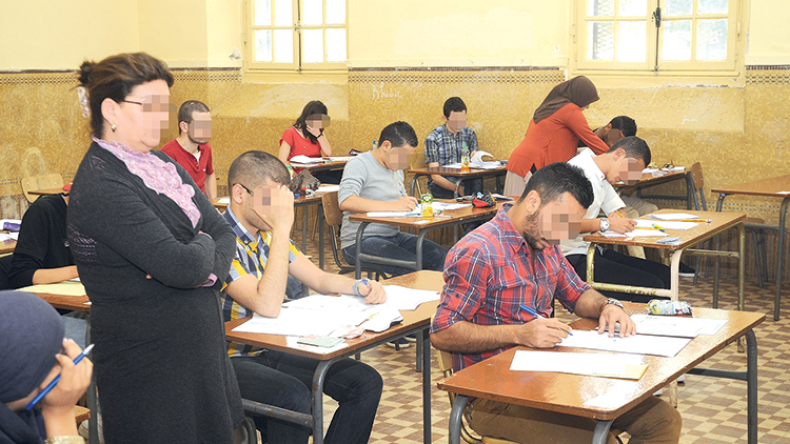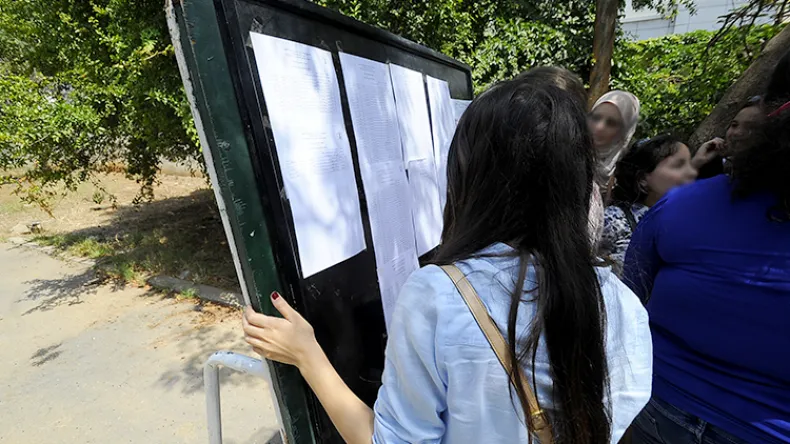
Societal reactions to Baccalaureate exam results often encompass both celebration for those who succeed and disappointment for those who do not. The article discusses this societal reaction to Baccalaureate exam results, noting both celebration of success and disappointment over failure, as a common occurrence following the release of academic outcomes. It emphasizes the importance of embracing and supporting children who fail these examinations, advocating for a broader view of their potential beyond test scores. The piece argues that fostering an environment of encouragement is key for students navigating academic challenges, ensuring that their self-worth and future prospects are not solely defined by a single set of academic outcomes. This perspective encourages a more holistic understanding of student development and potential.
Overstated Value of Diplomas
The value ascribed to the secondary education certificate is disproportionate to current socio-professional and economic realities, according to the article. It argues that the value placed on the secondary education certificate is indeed disproportionate to contemporary socio-professional and economic realities. The article contends that diplomas should be decoupled from employment, particularly within the humanities and social sciences sectors, suggesting that an overreliance on these credentials can hinder both individual career paths and broader economic development. The article notes that a significant number of university graduates find employment in fields unrelated to their specialization or face unemployment after completing their studies, showing the disconnect between academic qualifications and job market demands. This situation points to a systemic issue where the perceived value of a diploma does not always align with practical career opportunities.
Beyond the Degree
Success in life is not solely dependent on obtaining a university degree. This perspective suggests that individuals can achieve personal and professional fulfillment through various pathways that do not necessarily involve higher education, challenging the traditional notion that a university degree is the only route to a successful future. The article posits that focusing exclusively on academic credentials overlooks the diverse talents and aptitudes that contribute to individual and societal flourishing. The role of universities should extend beyond mere job training. Institutions of higher learning ought to be considered spaces for full personal and social development, fostering critical thinking, cultural understanding, and civic engagement among students. The article explicitly states that university should be viewed as a space for personal and social development, not just job training. This broader view emphasizes the cultivation of well-rounded individuals prepared for diverse societal contributions, not just specific career roles, thereby enriching the educational experience and its societal impact.
Alternative Paths to Success
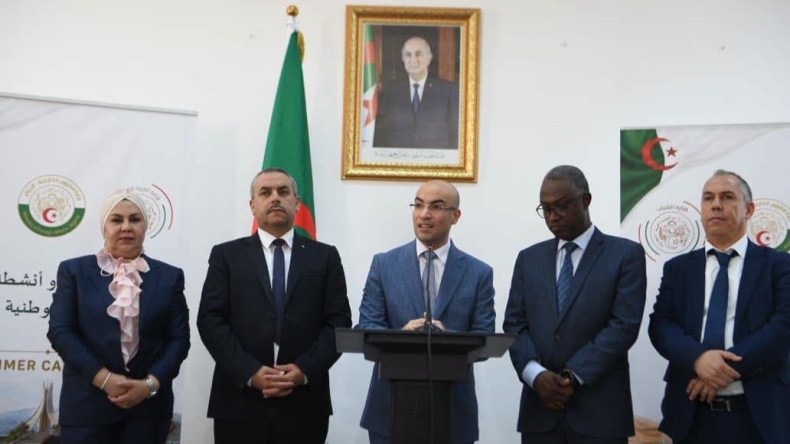
The Algerian university system produces competent graduates who achieve success both domestically and internationally. This demonstrates the inherent capabilities within the national education framework and the potential for its students to excel on a global scale. Recognizing the evolving economic landscape, the Algerian Ministry is actively promoting entrepreneurship and the development of startups. This initiative aims to diversify career options for graduates and foster innovation, creating new avenues for economic growth and self-employment. By supporting entrepreneurial ventures, the Ministry seeks to empower young Algerians to become creators of jobs rather than just seekers, aligning educational outcomes with national development goals.
Parental Role and Future Outlook
The job market demonstrates an increasing preference for practical skills over theoretical knowledge. This fundamental shift in employer expectations necessitates a re-evaluation of educational priorities and parental guidance. This trend suggests a critical need for parents to guide their children toward acquiring competencies directly applicable to various professions, rather than solely focusing on academic qualifications. Such an approach could better prepare students for the evolving demands of future employment, ensuring they possess the adaptable skills required in a dynamic global economy. Emphasizing skill development, vocational training, and hands-on experience can provide a more strong foundation for career success, complementing or even superseding traditional academic achievements in certain fields.