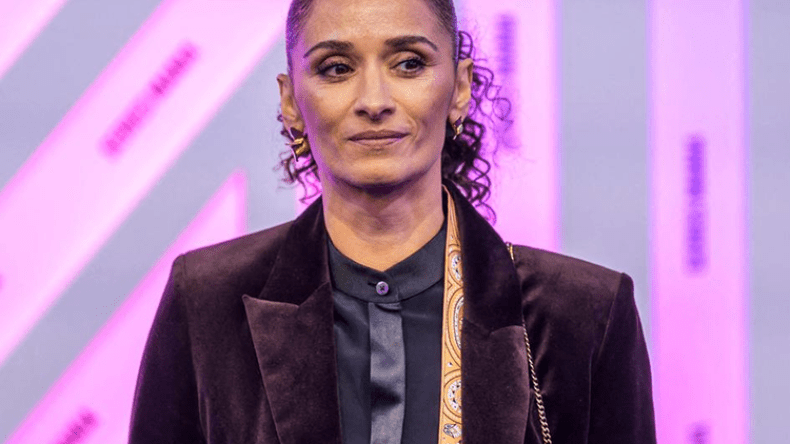
Rachida, an individual of Algerian origin and French nationality, was recently selected by French officials to receive the Legion of Honour medal. The award, one of France's highest distinctions, was intended for the occasion of July 14th, France's official holiday. Rachida declined the accolade, stating, "يوجد في مكان آخر" (It is somewhere else). This refusal came despite the French government's recognition of her contributions, which led to her selection for such a prestigious award. Her decision has drawn considerable attention, sparking discussion about the intersection of national identity, historical memory, and personal conviction.
Rachida's Principled Stance
Rachida justified her refusal of the Legion of Honour medal by stating her honor "is elsewhere." She articulated this sentiment, remarking, "يوجد في مكان آخر," a phrase that encapsulates her profound sense of allegiance and values. Rachida further explained that accepting the French accolade would lead her to lose herself and the respect of individuals whose standing she values more highly than the medal itself. This principled position shows a deep personal integrity, prioritizing her identity and the esteem of her community over state recognition. Her statement notes a conscious choice to align with her heritage and convictions rather than accepting an honor from a former colonial power. This perspective was reported by جريدة الخبر (El Khabar newspaper) on July 16, 2026, on page 23, providing a direct source for her powerful declaration.
Echoes of Algerian Resistance
Rachida's refusal of the Legion of Honour medal, stating her honor "يوجد في مكان آخر" (It is somewhere else), is seen by the author as reviving a tradition among Algerian figures. The author contends that her action echoes historic rejections of French accolades by individuals such as El Mokrani and Mohamed Taffouch. Both El Mokrani and Mohamed Taffouch are referenced as having previously declined French medals, establishing a precedent for Rachida's stance. This historical context suggests that Rachida's decision is not an isolated incident but rather a continuation of a significant pattern of resistance and assertion of Algerian identity against French symbols of honor. The author suggests this pattern notes a consistent rejection of French honors by some Algerian personalities, reflecting a deeper narrative of post-colonial identity and national pride. This continuity shows the enduring impact of historical events on contemporary perspectives and decisions.
A Moral Compass for Palestine
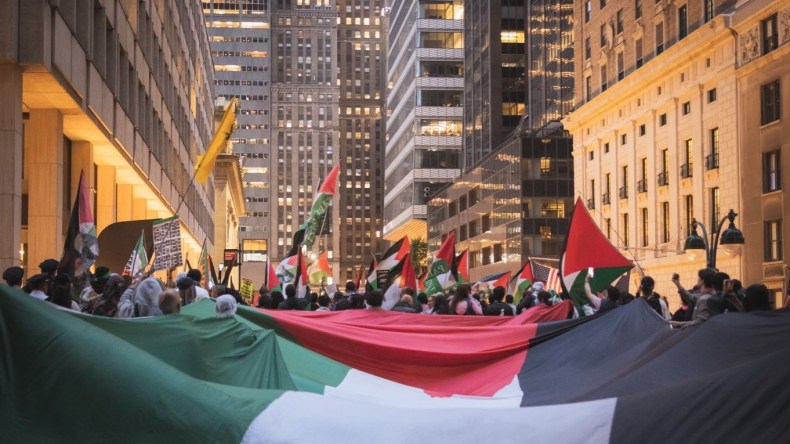
The author posits that Rachida's refusal to accept the Legion of Honour medal lends support to the just Palestinian cause. Her statement, "يوجد في مكان آخر" (It is somewhere else), is interpreted as aligning with a broader moral stance that extends beyond personal honor to encompass global justice. The author suggests that by declining the French accolade, Rachida’s action implicitly champions justice for Palestinians, connecting her personal conviction with a pressing international humanitarian issue. This perspective frames her refusal as an act of solidarity, reflecting a commitment to principles that transcend national borders and historical grievances. The author's claim positions Rachida's conduct as an endorsement of the Palestinian struggle through her principled stand against a French state honor, thereby giving her refusal a wider political and ethical resonance.
Author's Concluding Thoughts
The author concludes by noting that Rachida works as an actress and writer. This professional background, encompassing both performance and literary creation, provides a context for her public statements and the principled stand she has taken. Her dual roles as an actress and writer suggest a profound capacity for expression and a thoughtful engagement with narratives, which further amplifies the impact of her decision. Her refusal to accept the Legion of Honour medal, articulated through her statement "يوجد في مكان آخر," is presented as a significant act by a figure engaged in cultural production, using her platform to make a powerful political and personal statement. The author's analysis emphasizes the implications of her decision within this professional and public sphere, noting how her artistic sensibilities may inform her unwavering commitment to her values and heritage.