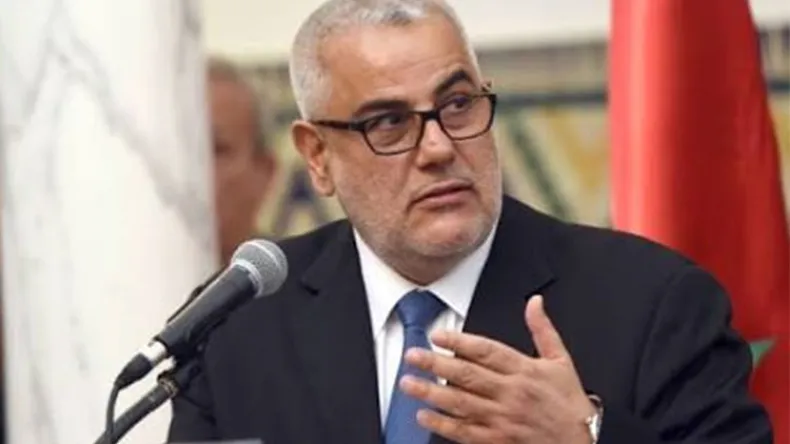
Abdelilah Benkirane, speaking at a party gathering, questioned the compatibility of religious practice with national origin by asking, "كيف يقرأ هذا القرآن وأمّه جزائرية؟!" (How can this person recite the Quran when his mother is Algerian?). This remark regarding the maternal heritage of an individual has prompted debate within Moroccan discourse concerning the intersections of faith, identity, and regional ties. The event, which took place during a formal party gathering, has drawn significant attention to how public figures evaluate the legitimacy of religious devotion based on ancestral lineage. By singling out the Algerian origin of a mother, Abdelilah Benkirane has introduced a complex layer into the ongoing conversation regarding what constitutes authentic national identity.
Discussions surrounding Algerian influence in the region often incorporate historical references to define cultural and intellectual legacies. These debates frequently rely on the examination of specific figures whose lives are seen as representative of the shared or intertwined histories of the area. Among these figures is Fatima N'Soumer, who led thousands of fighters against a French army of 40,000 soldiers. Her role in organized resistance serves as a point of reference for those examining the historical contributions of Algerian figures to broader regional narratives. By noting the military leadership of Fatima N'Soumer, proponents of this discourse seek to anchor the discussion in documented history, emphasizing that her legacy remains a subject of analysis when considering the historical impact of Algerian individuals on the region.
Mohamed Maamri El-Zouaoui (1885-1970) is also cited as an example of an Algerian intellectual contribution. His life and work are presented in these accounts to illustrate a history of scholarly output that extends beyond national borders. The inclusion of these figures reflects a broader effort to categorize the impact of Algerian individuals on the social and intellectual fabric of the region. By referencing the lifespan and career of Mohamed Maamri El-Zouaoui (1885-1970), participants in this discourse attempt to bridge the gap between contemporary political rhetoric and a deeper, more nuanced understanding of regional heritage.
The intersection of these historical citations with modern political commentary creates a distinct environment for public debate. When Abdelilah Benkirane questioned how a person could recite the Quran while having an Algerian mother during a party gathering, he triggered a reaction that forces a comparison between such exclusionary rhetoric and the historical recognition of figures like Fatima N'Soumer and Mohamed Maamri El-Zouaoui (1885-1970). The tension between the dismissive nature of the party gathering remarks and the acknowledgment of Algerian intellectual and historical contributions remains a central theme. As the discourse continues, the reliance on such historical figures serves as a critical counterpoint to the questioning of identity based on maternal origin. The debate persists as a reflection of how societal values regarding heritage, religion, and national belonging are currently being negotiated in the public sphere, with the legacy of figures like Fatima N'Soumer providing a historical benchmark for those navigating these complex identity questions.