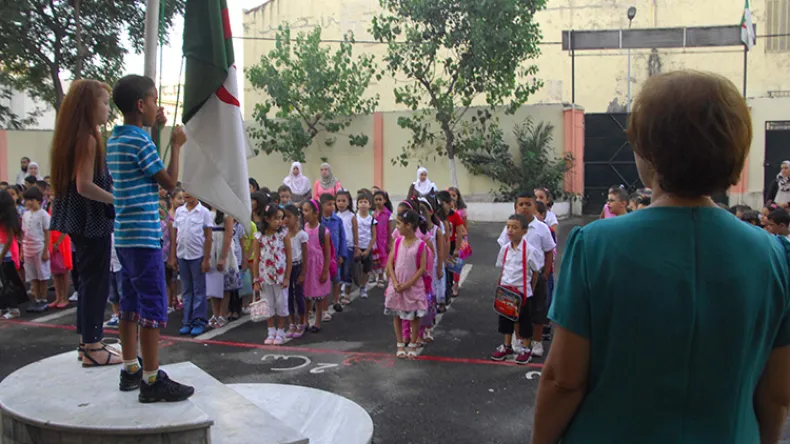
Principals of educational institutions, particularly middle schools, face daily challenges as the new school year approaches, requiring a precise balance between administrative, financial, and pedagogical management. The school year is set to begin shortly, on September 21st. The ongoing restructuring and redistribution of tasks, especially after the creation of the 'supervisor' (ناظر) position, requires additional effort to define responsibilities and prevent disputes among staff. These significant changes add complexity for principals as they prepare for the upcoming academic period, demanding careful navigation of new roles and responsibilities within the educational framework. This period of transition necessitates a proactive approach to ensure smooth operations and maintain an effective learning environment.
New Role, New Pressures
The new "supervisor" position was established by Executive Decree No. 25-54, dated January 21, 2025. This decree includes the basic statute for personnel belonging to the special ranks of national education, formalizing the role within the educational structure. Sources indicate the importance of immediately addressing potential problems arising from the restructuring of tasks and responsibilities following the creation of this position in middle schools. These new situations require extra effort to set them on the right track, especially during the initial phase, with middle schools now being obligated to undertake several serious tasks. The implementation of this new role introduces a layer of administrative complexity that principals must diligently manage to avoid operational disruptions.
Reports have already noted the emergence of conflicts stemming from what is described as a "new parallel director." These disputes include disagreements between accountants and budget managers, as well as uncertainty over who is responsible for maintenance and cleaning staff. The lack of clear demarcation of duties and authority has led to these internal conflicts, showing the urgent need for defined protocols and communication channels to resolve such issues. The integration of the supervisor role into the existing hierarchy presents a significant challenge, requiring principals to mediate and clarify roles to maintain a cohesive working environment.
Balancing Budgets and Operations
Principals report difficulties in balancing available funds with the growing needs of their institutions. The limited management budget poses difficulties for principals in reconciling available funds with the increasing needs of the educational institution for maintenance, pedagogical equipment, and cleaning supplies. This financial constraint necessitates careful allocation amidst increasing operational demands, often forcing principals to make difficult decisions about resource distribution. The constant pressure to stretch limited resources while meeting essential requirements adds considerable strain to their administrative duties.
Principals also face continuous administrative pressure due to the substantial volume of periodic reports and required correspondence. Reconciling classic paperwork with digital operations adds to their workload, requiring adaptation to evolving administrative procedures. The dual demands of traditional bureaucratic processes and modern digital reporting create a significant administrative burden, consuming valuable time that could otherwise be dedicated to pedagogical leadership.
Addressing the complexities of securing substitute teachers in a timely manner is another critical concern. There is an ongoing call for practical and immediate solutions to the complexities associated with finding substitute teachers in a timely manner to ensure the continuity of schooling and avoid financial position vacancies. This ensures educational stability for students and prevents interruptions in learning, which can have long-term impacts on academic progress. The current system often leaves schools scrambling to fill essential teaching roles, creating instability for both students and staff.
Addressing Student Behavior and Performance
Principals face challenges in maintaining public order and monitoring student movement, often managing adolescent difficulties that include school violence and declining academic results. There is a demand to activate disciplinary councils to curb school violence and reactivate the listening and follow-up cell to ensure it works effectively and continuously. These measures are key for fostering a safe and conducive learning environment, addressing behavioral issues before they escalate.
Additionally, calls have been made to manage the issue of overcrowding rationally by addressing the significant pressure resulting from high student density in educational groups with practical solutions. Overcrowding not only strains physical resources but can also contribute to disciplinary problems and diminish the quality of instruction. Finding sustainable solutions to manage student numbers is critical for effective educational delivery.
Parental Engagement and Support
A decline in student performance and a rise in school violence are attributed to weak parental support. This situation is further linked to a lack of effective communication from their side. The absence of strong parental involvement can undermine efforts made within the school, as a strong home-school partnership is essential for student success and well-being. Bridging this communication gap and fostering greater parental engagement are critical steps toward improving both academic outcomes and student behavior.