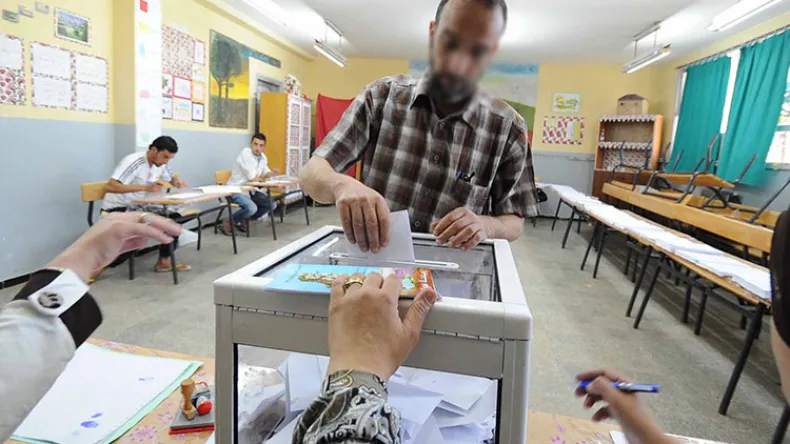
The President has officially summoned the electorate for local elections, which are now firmly scheduled for Saturday, November 28, 2026. These forthcoming elections are set to determine the members of municipal and provincial popular councils across the nation. The formal call for these elections was made through Presidential Decree No. 26-284, a significant legislative act dated August 29, 2026, which has since been published in the Official Gazette, making the decree legally binding and publicly accessible. The overarching responsibility for the entire electoral process, encompassing preparation, organization, management, supervision, and monitoring of these key operations, rests with the National Independent Authority for Elections.
In a move signaling significant internal restructuring and preparation for the upcoming local elections, the National Independent Authority for Elections is currently in the process of appointing new provincial coordinators. These key individuals will play a key role in overseeing the electoral procedures at the provincial level. The official list detailing these new provincial coordinators is anticipated to be announced publicly within the current week, providing clarity on the leadership structure for the upcoming polls. This development follows a broader organizational shift initiated by the President, who recently made the decision to appoint a new head for the National Independent Authority for Elections. This leadership change shows a full shake-up within the nation's primary electoral body, aiming to ensure efficiency and integrity in the forthcoming electoral cycle.
Electoral Calendar and New Map
The electoral process is set to begin with a key phase: the exceptional revision period for electoral lists. This period is officially scheduled to commence on Sunday, September 6, 2026. During this time, citizens will have the opportunity to update their voter information, register for the first time, or make necessary modifications to their existing entries on the voter rolls. This revision process is a fundamental step in ensuring the accuracy and completeness of the electorate. The period for these vital updates and modifications to the voter registration lists is set to conclude on Thursday, September 17, 2026. Upon its conclusion, the final electoral lists will be established, forming the definitive basis for voter participation in the upcoming polls. This careful process is designed to uphold the principle of one person, one vote, by ensuring that all eligible citizens are properly registered and accounted for.
A notable feature of the forthcoming local elections is that they are slated to occur under a newly adopted administrative map. This revised territorial division represents a significant structural change in the country's governance framework. The new administrative map is a direct and consequential result of the recent creation of several new provinces within the national territory. This redrawing of internal boundaries is expected to have a substantial impact on the logistical and political organization of the elections. It will influence how electoral districts are defined, how campaigns are conducted, and ultimately, how votes are cast and tabulated across the various municipalities and provincial popular councils. The implementation of this new map necessitates careful planning and execution by electoral authorities to ensure a smooth transition and fair electoral contestation.
Candidate List Requirements
For the forthcoming local elections, specific and detailed requirements have been established for the composition of candidate lists, designed to ensure strong representation and choice for voters. In constituencies designated as single-seat, candidate lists are mandated to include a minimum of seven more candidates than the actual number of available seats. This provision is intended to offer voters a broader selection of choices and foster competitive elections within these particular electoral districts, allowing for a diverse range of political options.
Similarly, for constituencies that are designated as double-seat, candidate lists must feature six additional candidates beyond the allocated number of seats. This regulation ensures a consistent approach to candidate representation across different constituency types, thereby providing ample options for the electorate regardless of the specific district structure. These numerical requirements are key for ensuring that there is sufficient depth in the candidate pool for voters to make informed decisions.
Further stipulations apply to the overall composition of these candidate lists, with a strong focus on promoting diversity and enhancing educational backgrounds among elected officials. All candidate lists are explicitly required to include at least one-third women candidates. This measure is a deliberate effort designed to promote and enhance gender representation within municipal and provincial popular councils, addressing historical imbalances. This quota seeks to actively encourage the participation of women in local governance, fostering more inclusive decision-making bodies.
Additionally, a significant portion of the candidates presented on these lists must meet specific age criteria. It is mandated that at least half of the individuals featured on any candidate list must be under 40 years old on the day of the election. This requirement is strategically aimed at integrating younger generations into political office and ensuring a renewed perspective and dynamic approach within local administrative bodies. It seeks to bring fresh ideas and energy to local governance.
Educational qualifications also play a critical role in candidate selection, reflecting an emphasis on competence and expertise. A minimum of one-third of the candidates on each list must possess a university education. This standard shows a commitment to academic background for those seeking to serve in the local councils, reflecting a broader focus on ensuring qualified and knowledgeable leadership at the local administrative level. This requirement aims to elevate the intellectual capacity within governance structures.
Authority and Logistics
The President's constitutional authority to convene these local elections is explicitly derived from Article 201 of the Constitution. This fundamental constitutional provision clearly outlines the legal framework and specific powers under which such significant electoral processes are initiated, managed, and overseen. The issuance of the presidential decree setting the election date and detailing the procedural guidelines falls squarely within the scope of these constitutionally vested powers, thereby ensuring the absolute legal basis and legitimacy for the upcoming polls.
Further stipulating and detailing the President's powers regarding these elections is Article 27 of Order 21-01. This order serves as a key complementary legal instrument to the constitutional mandate, providing specific regulatory details and full operational guidelines for the proper conduct of local elections. The synergistic combination of both constitutional provisions and these detailed regulatory orders grants the President the full suite of necessary legal instruments to effectively call for, organize, and oversee the entire electoral calendar, from its inception to its conclusion.
The Ministry of Interior, Local Collectivities and Transport bears the substantial responsibility for managing the extensive logistical aspects of the elections. This critical role encompasses a wide array of practical arrangements that are absolutely necessary for the successful execution of polling day. These responsibilities include, but are not limited to, the efficient deployment of all essential electoral materials to polling stations nationwide, ensuring the strong security of all polling stations to guarantee a safe voting environment, and meticulously overseeing the smooth conduct of voting across all municipalities and provinces. The ministry's operational role is therefore indispensable in facilitating the practical execution and overall integrity of the electoral process.