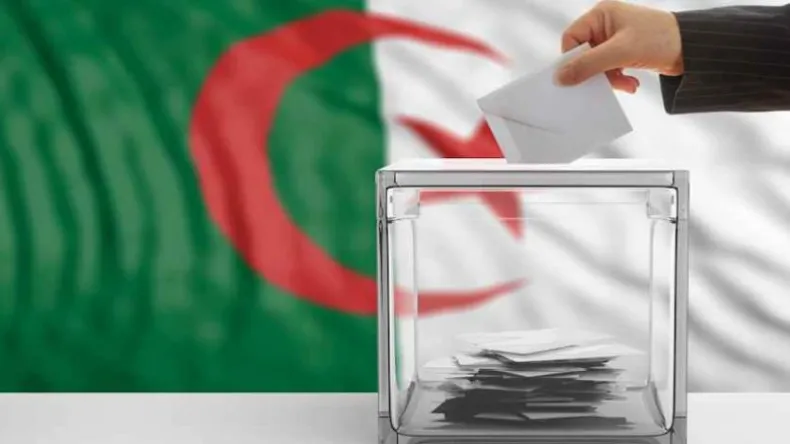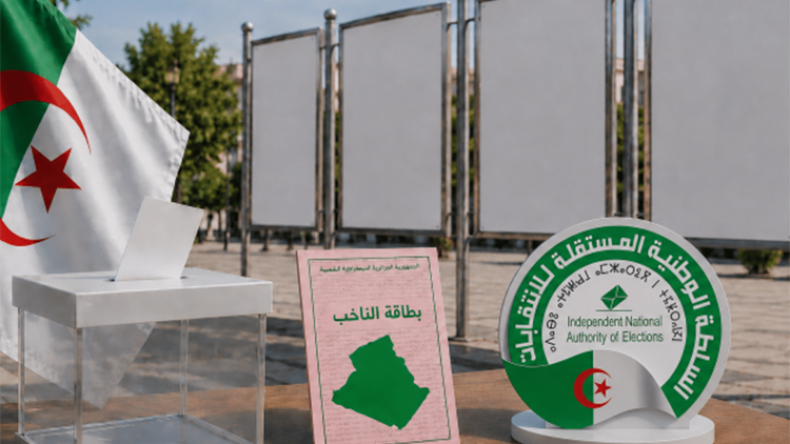
Political parties and independent lists participating in the legislative elections of July 2nd initiated their campaigns on Tuesday. The launch included popular gatherings and various local activities across multiple wilayas, signifying the widespread nature of the electoral outreach. These initial activities, encompassing a diverse range of public engagements and local events, marked the official commencement of the campaign period for the July 2nd polls. Campaign efforts focused intently on outlining the main points of electoral programs, providing voters with a clear understanding of each party's vision and proposed policies. Organizers also specifically called for strong citizen participation in the upcoming elections, urging voters to engage actively with the electoral process and exercise their democratic right. The emphasis on both programmatic detail and civic engagement shows the importance placed on these legislative elections.
Party Platforms and Slogans
The Secretary-General of the National Democratic Rally (RND), Mundhir Boun, affirmed the party's unwavering commitment to field work and engaging directly with citizens to address their concerns. Boun stated that the campaign slogan 'Arwah Maana' (Come with us) reflects the party's profound belief that building the state is a collective responsibility, requiring the active involvement of all citizens. This slogan aims to foster a sense of shared ownership and collective effort in national development. He also noted the strategic importance of border regions, stating unequivocally that 'Algeria's security begins in these regions,' emphasizing their critical role in national defense and stability. Boun praised the political will demonstrated by the authorities to combat the influence of money in politics and dry up illicit sources of influence, ensuring a more equitable and transparent electoral process. He showed the RND's dedication to promoting a political environment free from undue financial pressures, allowing for genuine representation.
The President of the Movement of Society for Peace (MSP), Abdelali Hassani Cherif, announced that the movement will contest the legislative elections with lists characterized by competence and credibility. Hassani Cherif stated that MSP lists include candidates chosen specifically for their competence and credibility, individuals who are ready to approach citizen concerns with diligence and commitment. He further noted the significant inclusion of youth and women among the candidates, reflecting the party's commitment to diverse representation and empowering new voices within the political landscape. He added that the MSP's full vision, meticulously reflected in its electoral program with the unifying slogan 'Trust', aims to strengthen national sovereignty and build a rising state, fostering a future of progress and stability for the nation. This vision encompasses a broad spectrum of policy areas designed to improve the lives of all Algerians.
The Secretary-General of the Nahda Movement, Mohamed Douibi, emphasized the critical importance of strong participation in the legislative elections scheduled for July 2. Douibi stated that electing strong institutions through strong citizen participation is the best and most effective way to achieve the country's major goals, with the movement's inspiring slogan being 'Together for a Strong Algeria'. This slogan encapsulates the party's belief in collective action for national advancement. He affirmed that a strong Algeria, underpinned by its resilient institutions, can assert itself confidently as a regional and international partner, playing a key role on the global stage. He articulated the movement's commitment to tangible improvements in citizens' daily lives, specifically aiming to improve purchasing power and enhance essential services in key sectors such as housing, health, transport, and water. The Nahda Movement pledges to support its elected deputies through continuous guidance and diligent follow-up, ensuring they fulfill their duties according to the constitution and remain accountable to the electorate. This ongoing support is designed to maximize the effectiveness of their representatives in the legislative body.
The President of the Future Front (Jebhet El Mustaqbal), Fateh Boutbig, called on the party's candidates to adhere rigorously to the ethics of political work, stressing the importance of maintaining integrity and professionalism throughout the campaign. He emphasized the profound significance of these elections in consolidating democratic practice within the nation, viewing them as a key step towards a more mature and participatory political system.
Campaign Outreach Strategies
The President of the Future Front (Jebhet El Mustaqbal), Fateh Boutbig, characterized the election campaign as an essential and invaluable opportunity for direct communication with citizens. This direct approach aims to foster a deeper understanding of their concerns and aspirations, moving beyond superficial interactions to genuine dialogue. Boutbig emphasized that direct engagement allows candidates to listen to the electorate's needs firsthand, thereby directly informing their proposed legislative agendas and ensuring they are responsive to public demand. The party views this period not merely as a time for presenting platforms but as a critical phase for interactive dialogue, where ideas can be exchanged and policies debated in an open forum. Such direct communication is intended to bridge the gap between political representatives and the communities they seek to serve, building trust and fostering a sense of shared purpose. It also provides a vital mechanism for candidates to refine their strategies and policy proposals based on real-time feedback from the populace, making their platforms more relevant and effective. The Future Front's strategy focuses intently on ensuring that their campaign activities translate into meaningful exchanges, ultimately contributing to a more responsive and accountable political process. This direct outreach, characterized by face-to-face interactions and community meetings, is a cornerstone of their electoral efforts, aligning with the broader goal of democratic consolidation and strengthening the bond between elected officials and the people they represent.
Election Context and Goals
The July 2nd legislative elections are unfolding amidst a broader national push to strengthen democratic institutions and enhance citizen participation across all levels of governance. The campaigns, which robustly began on Tuesday, are meticulously designed to engage the electorate directly, with various political parties and independent lists conducting popular gatherings and local activities across multiple wilayas, ensuring wide geographic reach. A core objective for many participating entities is to address citizen concerns comprehensively and build a responsive political system that genuinely reflects the will of the people. Political leaders have consistently emphasized the importance of high voter turnout, framing strong participation as absolutely essential for establishing strong institutions capable of achieving national goals and driving forward the country's development agenda. The focus is also firmly on reinforcing national sovereignty and fostering a rising state, with several parties noting the necessity of an engaged populace for these endeavors to succeed. These elections are widely seen as a key step in consolidating democratic practices and ensuring that elected representatives remain deeply connected to the aspirations of the communities they serve, thereby enhancing the legitimacy and effectiveness of the legislative body. The process shows a collective commitment to a future where citizen voices are heard and translated into effective governance.