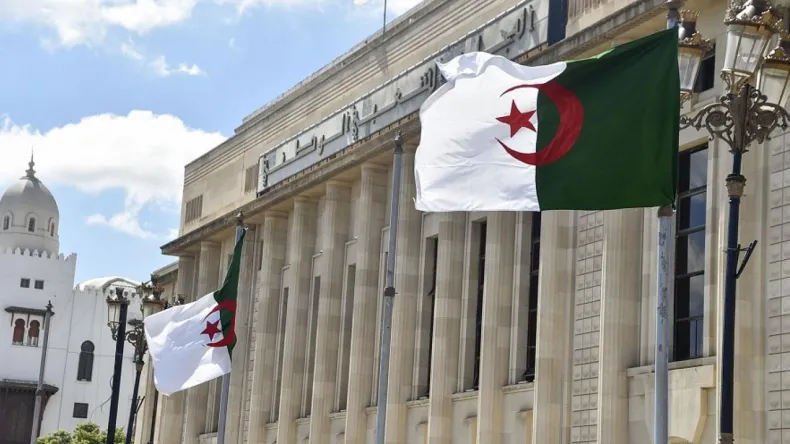
Deputies of the People’s National Assembly in Algeria must now limit their legislative interventions strictly to the content of the bills proposed for discussion. This procedural change mandates that each deputy’s oral intervention during sessions is set at a duration of six minutes. According to the new rules, these measures apply to all members of the assembly as they debate proposed legislation. The assembly implemented these regulations to standardize the time allotted for individual contributions during floor debates. By focusing exclusively on the substance of the bills, the body aims to regulate the flow of legislative proceedings. These requirements remain in effect for all upcoming sessions held by the People’s National Assembly.
The implementation of these specific rules serves to ensure that the legislative process adheres to a structured format. By requiring that deputies of the People’s National Assembly limit their interventions to the content of the bills proposed for discussion, the body seeks to maintain a clear focus on the legislative agenda. Each deputy’s oral intervention during sessions is set at a duration of six minutes, a constraint designed to provide equal opportunity for participation while managing the overall schedule of the parliamentary session. These procedural adjustments are intended to streamline the deliberative process, ensuring that all contributors address the specific parameters of the documents under consideration.
Regulatory Framework for Debates
Article 73 of the internal regulations of the People’s National Assembly mandates that all legislative discussions must focus exclusively on the specific content of the bill or law proposal under review. This provision governs the scope of debate for all deputies within the assembly. By emphasizing the necessity of relevance, the internal regulations reinforce the requirement that speakers stay within the established subject matter. This regulatory framework applies to the entirety of the debate phase, ensuring that the legislative discourse remains disciplined and centered on the proposed texts.
Officials expect the presentation of the 2027 Finance Bill to the People’s National Assembly on 1 November 2026. This legislative measure serves as the primary financial framework for the upcoming fiscal year. The introduction of this bill marks the commencement of the formal review period for the assembly. The 2027 Finance Bill is expected to be presented to the Assembly on 1 November 2026, initiating the cycle of scrutiny that deputies must perform in accordance with the new procedural rules.
The People’s National Assembly scheduled the final voting and approval process for the 2027 Finance Bill on 16 November 2026. This timeline provides deputies with two weeks to examine the proposed legislation before the assembly takes formal action on the document. The 2027 Finance Bill is scheduled for voting and approval at the People’s National Assembly on 16 November 2026, representing the conclusion of the legislative process for this specific financial instrument. During the period between the presentation and the final vote, the assembly will operate under the aforementioned time constraints, ensuring that all interventions regarding the bill are conducted within the six-minute limit per deputy. By adhering to these procedural requirements, the People’s National Assembly aims to facilitate an orderly review of the 2027 Finance Bill.