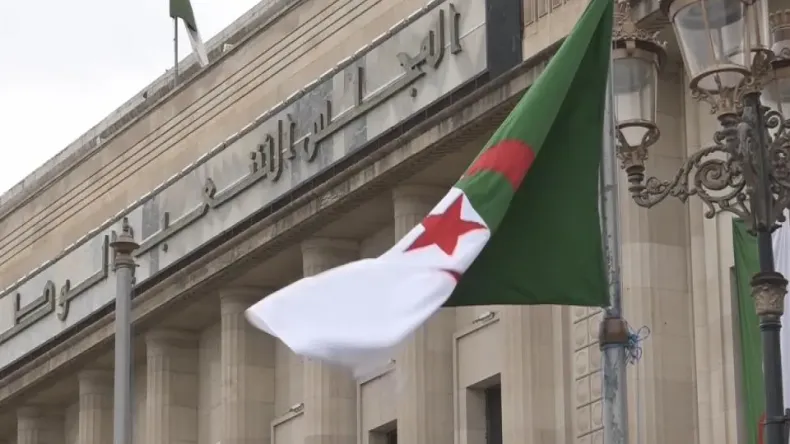
Party leaders in الجزائر are currently finalizing their electoral lists for the legislative elections scheduled for July 2, 2026. This extensive process, which involves careful selection and approval at various levels, has led to protests from several parliamentarians and political figures who claim they have been unfairly excluded from their respective party lists. The individuals affected by these exclusions assert that they possess positive track records and have fulfilled all necessary conditions required for inclusion in the upcoming polls. These developments are unfolding as political parties, including حركة مجتمع السلم, حركة البناء الوطني, and جبهة التحرير الوطني, prepare their candidates for the imminent election cycle. The protesting figures argue their removal lacks justification given their qualifications and contributions within their parties, leading to significant internal dissent.
Electoral Process Underway
The Independent National Electoral Authority is currently receiving these meticulously prepared electoral lists from political parties across the nation. This key phase of the electoral process follows presidential decree number 26-145, which was issued on April 4, 2026, corresponding to 16 Shawwal 1447 AH. This decree formally called for the election of members of the National People's Assembly to take place on Thursday, July 2, 2026. In preparation for the polls, the Independent National Electoral Authority has also reiterated the conditions and procedures for both individual and collective candidacies. These guidelines are established in accordance with the organic law regarding the electoral system, specifically Order No. 21-01, which was dated March 10, 2021, corresponding to 26 Rajab 1442 AH. This legal framework ensures transparency and clarity in the candidate selection and submission process.
Harakat El-Mtamaa El-Islami (Hamas) leader Abdelali Hassani Cherif (عبد العالي حساني شريف) has started endorsing the lists prepared by provincial offices, signaling progress in their internal selection. Separately, Harakat El-Binaa El-Watani (حركة البناء الوطني) is actively reviewing and approving its proposed lists, a process that requires careful consideration of potential candidates. The National Liberation Front (FLN) (جبهة التحرير الوطني) is also diligently finalizing its electoral lists at the provincial level, ensuring regional representation and adherence to party guidelines. Candidates who require individual signature forms as part of their application process must submit them by the specified deadline of May 18, 2026, a critical date for those seeking to secure their place on the ballot.
Voices of Exclusion Emerge
Current deputies and party leaders have initiated protests following their exclusion from electoral lists ahead of the July 2026 elections. These protests signify growing discontent within political circles regarding the candidate selection process, with many feeling their contributions have been overlooked. The affected individuals have voiced their objections publicly, asserting that their removal from the lists lacks sufficient justification and goes against established party norms. They highlight their positive track record and fulfillment of all conditions required for candidacy.
These grievances are primarily being disseminated through digital channels, ensuring their message reaches a wide audience. Audio recordings and videos detailing the exclusion claims and protests are circulating widely online, providing direct accounts from those affected. This digital dissemination allows the parliamentarians and party leaders to directly communicate their positions and concerns to a broader audience, noting the challenges they face in securing their candidacies for the upcoming legislative polls. The online circulation of these materials has become a key platform for those who feel unfairly sidelined from the electoral process, allowing them to share their perspectives and rally support.
Calls for Presidential Intervention
Some protesting parliamentarians and party leaders are calling for the President of the Republic to intervene in the electoral list approval process. These individuals seek presidential intervention to "grant them justice" and prompt a reconsideration of the lists that have already received approval. The appeal comes amidst widespread discontent regarding exclusions from party lists for the legislative elections scheduled for July 2, 2026. Those affected argue that their removal is unjustified, given their contributions and fulfillment of necessary conditions for candidacy. They emphasize their positive track record and adherence to all requirements, believing their exclusion to be an oversight or an unfair decision. Their calls for the President's involvement highlight a desire for a higher authority to review and potentially alter the current selection outcomes, showing the severity of their concerns. The request for presidential intervention shows the depth of dissatisfaction among those sidelined from the electoral process, who believe that a higher authority is needed to ensure fairness and equity in candidate selection.