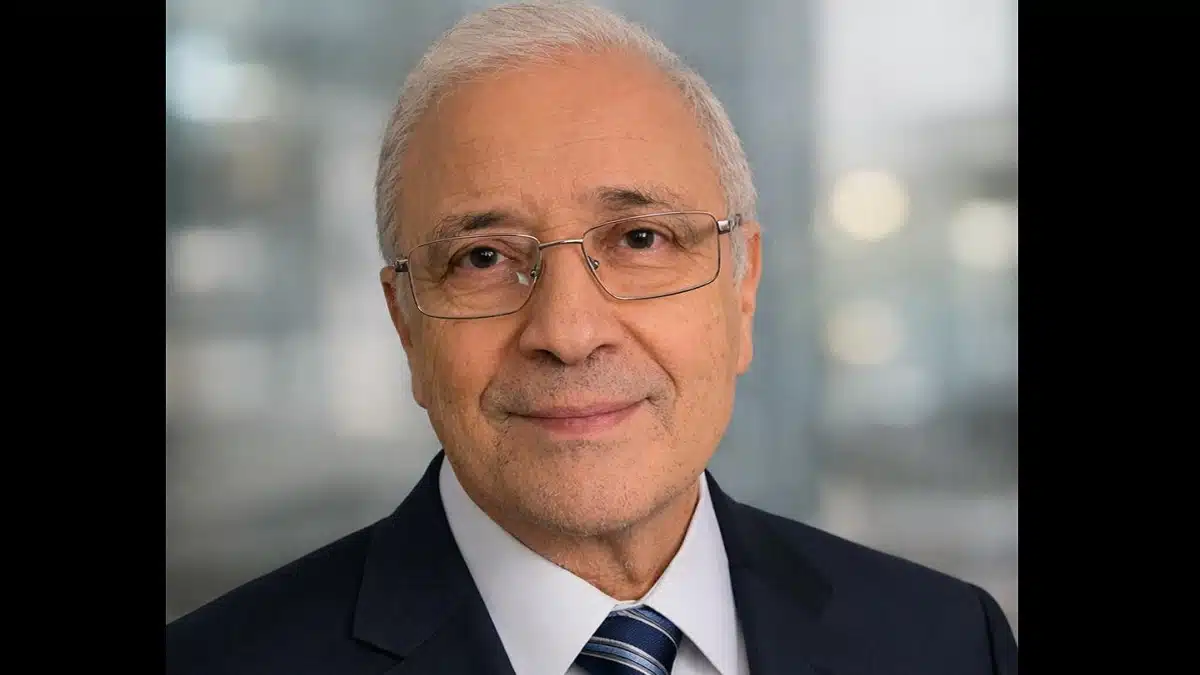
Mohand Bouraoui assumed his duties as the new governor of the Bank of Algeria on Thursday, September 3rd, taking over from Mohamed Lamine Loubou, who moved to the Ministry of Finance. Bouraoui previously served as the Director General of the Bank of Agriculture and Rural Development (BADR), bringing a wealth of experience from the banking sector to his new role. His agenda is expected to address critical economic priorities for the North African nation, reflecting the complex challenges and opportunities facing Algeria's financial landscape. These key areas of focus include managing inflation, stabilizing the dinar's exchange rate, safeguarding foreign exchange reserves, enhancing liquidity within the banking sector, fostering the development of loans, and strengthening the overall banking sector. These objectives show the central bank's key role in maintaining economic equilibrium and promoting sustainable growth.
Monetary Policy and Financial Stability
The Monetary and Banking Law No. 23-09, a foundational piece of legislation for Algeria's financial system, mandates the Bank of Algeria governor to present an annual report on economic, monetary, and financial developments to the People's National Assembly. This legal requirement ensures regular oversight of the central bank's activities and their impact on the national economy, promoting transparency and accountability in monetary policy. This annual reporting mechanism provides a full overview of the country's financial health, allowing for informed legislative review and public discourse.
The exchange rate of the Algerian dinar is shaped by several interconnected factors, making its management a complex task for the central bank. These influences include domestic inflation rates, the country's balance of payments, and the level of foreign exchange reserves. Additionally, foreign currency flows, the volume of imports and exports, and overall confidence in the national currency all play a significant role in determining the dinar's value on international markets. The Bank of Algeria continuously monitors these indicators to formulate effective exchange rate policies.
To manage these diverse influences and maintain financial stability, the Bank of Algeria utilizes a full range of instruments designed to affect the exchange market, banking sector liquidity, and the overall monetary mass. These tools include adjusting the policy rate, which influences borrowing costs across the economy; conducting open market operations to manage the money supply; offering deposit and lending facilities to financial institutions to ensure smooth interbank operations; and setting mandatory reserve requirements for banks, which impacts their lending capacity. Through the judicious application of these instruments, the central bank aims to steer the economy towards price stability and sustainable growth.
Enhancing Financial Inclusion
The Bank of Algeria is actively pursuing a significant transition for foreign exchange allowances for travel, moving from traditional paper cash disbursements to more secure and traceable electronic payments through international cards. This initiative is a key component of broader efforts to modernize financial transactions and enhance the efficiency of the payment system. This shift is expected to improve convenience for travelers and provide greater transparency in foreign currency management.
Article 36 of the Monetary and Banking Law explicitly obliges the Bank of Algeria to take proactive measures to facilitate banking services and encourage financial inclusion across the country. This mandate notes the central bank's commitment to ensuring that a wider segment of the population has access to essential financial services. To achieve this, the National Payment Committee, a collaborative body that includes representatives from the Bank of Algeria and various government sectors, is diligently working to expand the electronic payment network. Its primary objective is to connect more merchants to the banking system, thereby increasing the reach and accessibility of digital financial services for the population and fostering a more inclusive financial ecosystem.
Combating Financial Crime
Efforts to combat financial crime have been a significant and sustained focus for Algeria's financial sector, reflecting a commitment to international standards. In June 2026, the Financial Action Task Force (FATF) removed Algeria from its list of countries subject to increased monitoring, following the successful completion of its action plan. This development signals international recognition of Algeria's substantial progress in strengthening its anti-money laundering and counter-terrorist financing frameworks, enhancing its credibility in the global financial system.
Preceding this important milestone, the Bank of Algeria issued Instruction No. 04-2026 in April 2026. This instruction specifically concerns the 'Know Your Customer' (KYC) procedure, applying comprehensively to banks, financial institutions, and Algérie Poste. The directive mandates that these entities implement the 'Know Your Customer' procedure and update customer data quickly, reinforcing measures against illicit financial activities such as money laundering and terrorist financing. This proactive approach helps to ensure the integrity and security of Algeria's financial system. Banks, in particular, are required to rigorously implement these KYC procedures and ensure that customer information is kept current and accurate, forming a key line of defense against financial crime.
Managing Economic Resources
Efficient management of foreign exchange reserves is key for Algeria's economic stability, according to economic assessments. Such management is considered vital for protecting the country's external balances and for financing any potential deficits that may arise from trade imbalances or other economic pressures. This strategic approach ensures the nation maintains a strong financial position, capable of weathering economic fluctuations and supporting necessary expenditures, including imports and debt servicing. Prudent reserve management provides a buffer against external shocks and underpins confidence in the national economy.