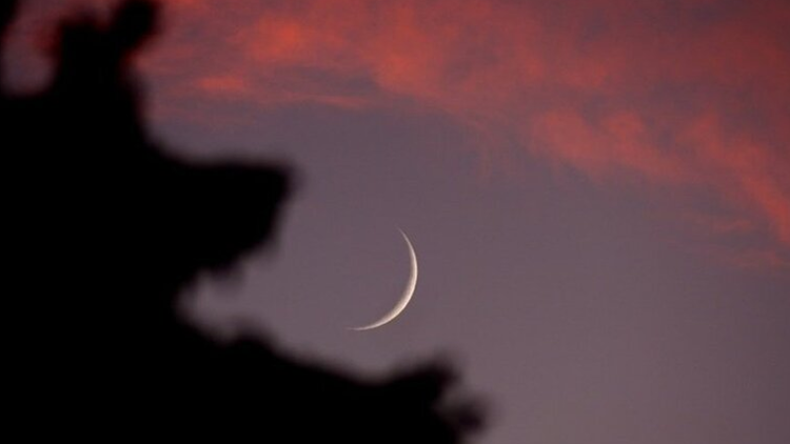
Families in Algeria, particularly within Khenchela, mark the first of Muharram by observing inherited customs passed down through generations. This significant occasion serves as an annual gathering, deeply embedded in the cultural fabric, where feelings of love and brotherhood are renewed. It is an annual appointment for the community, fostering a strong sense of belonging and continuity. During this special time, generations often meet around blessed tables, sharing meals and stories, thereby reinforcing community bonds and collectively celebrating the arrival of the new Islamic year. The revival of these inherited customs shows the deep respect for ancestral practices and the desire to preserve cultural identity within Khenchela. This collective observance strengthens intergenerational ties and ensures that the rich heritage of Muharram is passed on to younger members of the community, maintaining a vibrant tradition year after year.
Culinary Heritage and Rituals
A cornerstone of the Muharram celebrations in Khenchela lies in its unique culinary traditions. Families meticulously preserve a portion of the meat from Eid al-Adha, specifically from the back of the sacrificed sheep, known locally as 'al-muslan', or the right shoulder. This carefully preserved meat becomes the primary ingredient for a variety of traditional dishes served with reverence on the eve of the first of Muharram. Culinary preparations often include 'couscous with al-muslan' or 'chakhchoukha with al-muslan', which are typically prepared with a focus on serving the men of the household and guests. Women, meanwhile, often prepare their own versions of couscous or chakhchoukha using shoulder meat, showcasing a shared yet distinct culinary effort within the family. This practice not only provides a festive meal but also symbolizes continuity and the resourceful use of blessings from previous religious observances. The preparation of these specific dishes is a cherished ritual, bringing families together in the kitchen and around the dining table, signifying abundance and communal sharing.
Beyond culinary traditions, the Muharram period is also chosen by some families for significant life events, imbuing these personal milestones with spiritual significance. Some parents opt to hold circumcision ceremonies for their children during this auspicious time, believing it confers additional blessings upon the boys. Additionally, other families mark the occasion by preparing a celebratory feast, known as 'aqiqa', for their newborns, an act of gratitude and dedication. This feast not only announces the arrival of a new family member but also integrates them into the community's spiritual life from an early age. Individuals also utilize this time to perform 'Al-Fatiha', a solemn religious ceremony often associated with blessings and remembrance, or to conduct marriage contracts and announce engagements. These choices reflect the period's profound social and spiritual significance, making Muharram a time for both communal celebration and personal commitment. The convergence of these life events with the spiritual observance of Muharram notes the holistic way in which the community integrates faith into daily life.
Spiritual and Communal Gatherings
The celebrations in Khenchela extend to rich spiritual and communal gatherings that reinforce the religious essence of Muharram. These events include women reciting religious chants, praises of the Prophet, and heartfelt prayers. These activities are often accompanied by the reading of the Quran and the narration of Hadiths, emphasizing the spiritual aspect of Muharram observances and deepening the participants' connection to their faith. These gatherings provide a sacred space for reflection and communal worship, strengthening the spiritual bonds among women.
In the evenings, gatherings feature celebratory rituals primarily for children and women, creating a joyful and inclusive atmosphere. These events often incorporate traditional folk songs and the ceremonial use of incense, which participants believe brings blessings and tranquility to the household. The fragrant smoke is thought to purify the air and invite positive energy, contributing to a serene environment. These communal activities contribute significantly to the atmosphere of renewal and shared tradition during the sacred period, ensuring that both the spiritual and social dimensions of Muharram are fully experienced. The participation of children in these rituals also serves to instill a sense of cultural and religious identity from a young age, ensuring the traditions are carried forward.
Upholding Collective Memory
These practices form an integral part of the collective memory for the residents of Khenchela, according to local observations. The customs are viewed by elders as an important occasion for reviving values of solidarity and compassion, alongside strengthening social bonds within the community. This emphasis on collective memory notes the community's commitment to preserving its unique identity and cultural heritage. These traditions are meticulously maintained and passed down through generations, contributing significantly to the cultural fabric of the region and ensuring their continuity. The article detailing these Muharram observances was published on June 15, 2026, showing the ongoing relevance and importance of these celebrations. This enduring adherence to traditional celebrations shows the profound significance of cultural heritage in Khenchela, where families continue to honor ancient rituals and foster communal ties during the Islamic New Year, reinforcing their shared identity and spirit of togetherness.