Spanish politicians are reportedly invoking Algeria as a geopolitical factor in resolving their country's ongoing crisis with the Moroccan regime. This strategic consideration shows the intricate web of regional diplomacy. This development follows the Pegasus espionage scandal, which occurred prior to Spain's shift in its position on the Western Sahara issue. Indeed, the Pegasus espionage scandal came to light, and a few months later, Spain's long-standing position on the Western Sahara issue underwent a significant change. The scandal and the subsequent policy change have created a complex diplomatic environment, with some Spanish political figures now considering Algeria's role in the broader regional dynamic. These politicians view Algeria as a key geopolitical factor in navigating and potentially resolving the current crisis with the Moroccan regime.
Escalating Tensions and Pegasus Fallout
The repercussions of the Moroccan regime's involvement in managing the invasion of the Spanish enclave of Ceuta by tens of thousands of Moroccan migrants continue to unfold, causing significant political damage to Pedro Sánchez's government. This situation suggests the Moroccan regime may exert pressure on the Spanish government using information it possesses, according to observers. The timing of these events has raised questions among political analysts and observers alike. Morocco has reportedly strengthened its geopolitical standing through its alliance with former US President Trump and has heavily invested in foreign policy, espionage, and influence peddling. This strategic investment has allowed Morocco to project power and influence within the region and beyond. Aitor Esteban, president of the Spanish party 'PNV', stated, "Morocco has strengthened its position through its alliance with President Trump. It has invested heavily in foreign policy, espionage, and influence peddling. Israel is approaching it because it serves its interests on the Sahel borders. And in return, Spain has been forced to reopen gas negotiations with Algeria." This perspective notes the multi-faceted nature of Morocco's foreign policy objectives.
The invasion of Ceuta by Moroccan migrants, allegedly with Moroccan regime complicity, took place approximately one week after Spanish Prime Minister Pedro Sánchez's visit to Algeria. This visit to Algeria reportedly caused resentment within the Moroccan regime, which manifested through the alleged involvement of Moroccan police and army in the Ceuta invasion. The deployment of state forces in such a manner suggests a deliberate act rather than an uncontrolled migratory flow, according to some reports. This incident further exacerbated the already strained relationship between Madrid and Rabat, creating a climate of mistrust and suspicion. The Ceuta crisis served as a stark reminder of the leverage Morocco potentially holds over Spain, particularly concerning border control and regional stability.
Algeria Gas Negotiations Under Threat
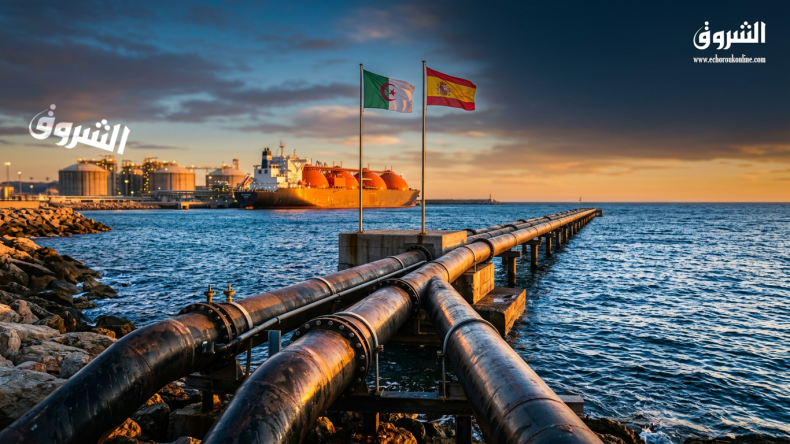
Amidst these diplomatic tensions, voices have emerged warning against reconciling with Rabat at the expense of Algeria, which serves as Spain's main gas supplier. The strategic importance of Algeria as a reliable energy partner for Spain cannot be overstated, especially in the current global energy landscape. Spain has reportedly been compelled to reopen gas negotiations with Algeria, a move directly influenced by the complex geopolitical pressures at play. A political agreement concerning energy, specifically gas, was reached during Pedro Sánchez's visit to Algeria, showing the high-level commitment to strengthening energy ties. One significant outcome of this visit was the decision to increase Algerian gas exports to Spain by 10 percent via the Medgaz pipeline. This increase aims to compensate for a portion of the supply previously delivered through the Maghreb-Europe gas pipeline, which Algeria ceased operating in November 2021. The cessation of the Maghreb-Europe pipeline necessitated alternative arrangements to ensure Spain's energy security.
The Supreme Joint Committee between Spain and Algeria is scheduled to convene next month in Madrid, marking a key step in formalizing and advancing these energy agreements. Technical arrangements for gas negotiations are anticipated between Sonatrach, Algeria's state-owned energy company, and Naturgy, the Spanish multinational natural gas and electricity provider, during this upcoming summit. These technical discussions are vital for outlining the practical implementation of the agreed-upon increase in gas supplies and other potential collaborations in the energy sector. The summit represents an opportunity to solidify the energy partnership between the two nations and ensure a stable and predictable gas supply for Spain.
Political Warnings and Geopolitical Stakes
Aitor Esteban, president of the Spanish party 'PNV', issued a stern warning that the government of Pedro Sánchez could be submitting to the Moroccan regime's demands. Esteban claimed that Morocco has been actively blackmailing Spanish officials since the Pegasus scandal came to light, using potentially compromising information to influence Madrid's policy decisions. He expressed profound concerns that the Moroccan regime might obstruct the key technical arrangements for gas negotiations between Sonatrach and Naturgy if its alleged blackmail of Madrid continues. Such obstruction would have significant implications for Spain's energy supply and its broader economic stability.
Esteban reiterated his perspective, stating, "Morocco has strengthened its position through its alliance with President Trump. It has invested heavily in foreign policy, espionage, and influence peddling. Israel is approaching it because it serves its interests on the Sahel borders. And in return, Spain has been forced to reopen gas negotiations with Algeria." This perspective suggests a complex geopolitical dynamic where Morocco's strategic alliances and alleged influence operations are directly impacting Spain's energy diplomacy and its relations with key regional partners. Israel's engagement with Morocco is reportedly driven by shared interests in the Sahel region, including security concerns and counter-terrorism efforts, adding another layer to the intricate regional power dynamics. The PNV president's remarks show the profound political sensitivities surrounding Spain's efforts to secure its vital gas supply from Algeria amidst strained and challenging relations with Rabat. The ongoing situation notes the delicate balance Spain must maintain in its foreign policy to safeguard its national interests.