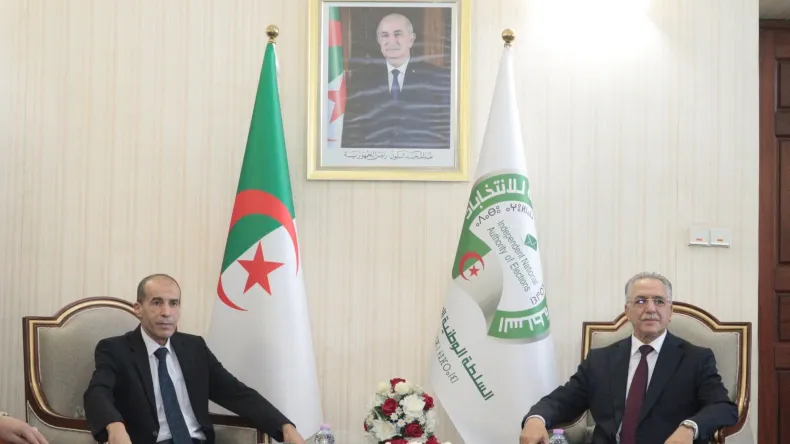
Algeria severed diplomatic relations with the United Arab Emirates, a move that has sent ripples through the intricate web of regional geopolitics. The decision by Algeria to cut diplomatic ties with the United Arab Emirates marks a significant development, showing evolving alliances and potential friction points within the Arab world. This diplomatic break has drawn considerable attention from observers monitoring the delicate balance of power and the various tensions at play, particularly concerning the United Arab Emirates and its position in the region. The implications of such a significant diplomatic rupture are being closely watched, as they could signal broader shifts in regional alignments.
The 'Daughters of the Night' Accusation
Amidst this diplomatic backdrop, a specific controversy has emerged, focusing on the actions and perceived motivations of certain Moroccan women. Women from Marrakech have reportedly defended Sheikh Zayed and the United Arab Emirates. This defense was noted in an article that pointedly contrasted their vocal support for the UAE with their perceived lack of defense for Moroccan countrymen allegedly dishonored in Ceuta and other locations. The publication further intensified the scrutiny by suggesting that these women are "daughters of the night," making the inflammatory claim that they have been "embraced by the brothels and hotels of Dubai." This accusation has drawn considerable scrutiny, prompting questions regarding the true motivations behind the women's public support for the UAE at a time of heightened diplomatic tensions and regional sensitivities. The article's provocative language has fueled public debate and raised concerns about the nature of the criticism leveled against these women.
Linguistic Digs and Derogatory Metaphors
Following Algeria's decision to sever diplomatic ties with the United Arab Emirates, numerous Moroccan platforms reportedly attributed the defense of Abu Dhabi to "dubbanat," a term implying female flies. This particular choice of word carries significant cultural and linguistic weight. The Arabic language itself does not possess a distinct word specifically for a female fly. Instead, the term 'dhibban' (ذِبّان) serves as a plural term that encompasses both male and female flies, while 'dhubab' (ذباب) is the singular form for a fly. However, in colloquial dialect, the term 'dubbanah' (الدبّانة), which is a pronunciation of 'dhibban' featuring a shadda on the "dhal," is employed to evoke a distinctly demeaning and humiliating image associated with flies. The use of "dubbanat" in this context, therefore, goes beyond a simple descriptor, functioning as a derogatory metaphor intended to belittle and discredit the women involved in the defense of the UAE. This linguistic dig shows the depth of the scorn and criticism directed at these women.
Questioning Motives and Silence
The involvement of these women in what is perceived as a complex geopolitical matter has not gone unnoticed. Comments from both Moroccan and Gulf sources have openly questioned the involvement of these women in a matter that, in their view, does not directly concern them or their respective countries. This questioning has prompted further scrutiny regarding their specific role and underlying motivations for taking such a public stance.
Adding another layer to this complex narrative, Moroccans have criticized Algerians who denounced the close ties between Morocco and "the occupied entity of Palestine." This criticism notes the broader regional political fault lines and the sensitivities surrounding international relations. Within this context, the article questions why women from the United Arab Emirates and thousands of other Arab and Western women working and studying in Dubai and Abu Dhabi have remained conspicuously silent on the diplomatic rift between Algeria and the UAE. Conversely, the piece notes that only women from Marrakech have publicly voiced their opinions on the matter, drawing a stark contrast and further fueling speculation about the unique circumstances and pressures influencing their public statements. The perceived silence of a larger group of women, juxtaposed with the vocal stance of those from Marrakech, adds a puzzling dimension to the ongoing diplomatic and social discourse.