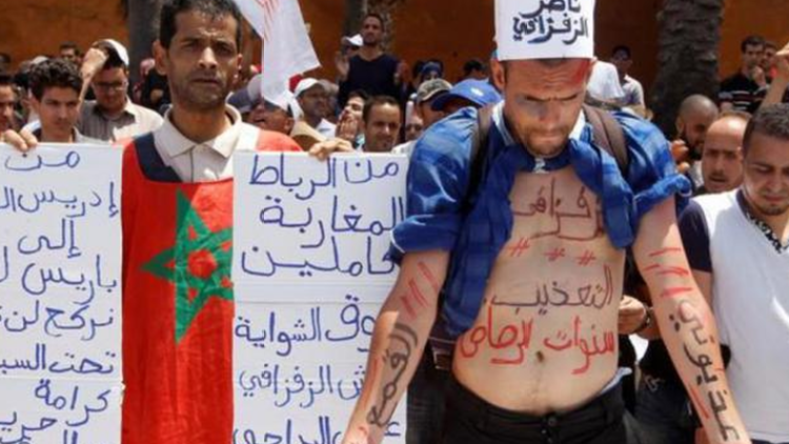
The Moroccan Association for Human Rights (AMDH) has issued a critical assessment of Morocco's political, human rights, social, and economic conditions, presenting its findings in the final statement of its fifth session. The session, a significant gathering for the organization, took place in Rabat in mid-July. During this event, AMDH concluded that the kingdom is experiencing a continuous and concerning decline in rights and freedoms across various facets of society. The organization specifically stated that the state's economic priorities do not align with the pressing social expectations of the populace, pointing to persistent unemployment and the increasing living costs faced by ordinary citizens. AMDH considers these indicators to reflect a continued and worrying deterioration of human rights throughout Morocco, impacting the daily lives of its residents. The report from AMDH thus notes profound concerns about the overall trajectory of freedoms and living standards within the country's current socio-economic and political landscape.
Crackdown on Freedoms and Civil Society
In its full assessment, The Moroccan Association for Human Rights (AMDH) asserts that Moroccan authorities are actively conducting what it terms a "Makhzen attack" on public freedoms. This alleged campaign, detailed in the final statement of the organization's fifth session held in Rabat, is characterized by the employment of security and repressive approaches. AMDH further states that the judiciary is being systematically used against human rights defenders and political activists, effectively stifling dissent and curtailing legitimate advocacy efforts. This creates an environment where those working to protect and promote rights face significant legal challenges and pressure.
Restrictions on civil society continue unabated, according to AMDH's findings. The organization reported that authorities are preventing many independent associations from operating normally, impeding their ability to carry out their essential work and engage with communities. This suppression of civil society voices is seen as a direct challenge to the principles of open governance and civic participation. AMDH claims that hundreds of youth and minors were arrested during various protests across the country. The organization notes that dozens of these individuals remain in detention without trial, raising serious concerns about due process and the rights of detainees, particularly minors.
AMDH also criticized the persistent delays in revealing the fate of individuals forcibly disappeared during the period known as the "years of lead." This historical injustice continues to cast a long shadow, and the lack of accountability and clarity for these cases remains a significant human rights issue. The group emphasized these concerns as part of its broader assessment of the human rights situation in Morocco, showing the need for transparency and justice regarding past abuses. The combined effect of these actions, from judicial pressure to restrictions on associations and unresolved historical cases, paints a grim picture of the state of public freedoms in Morocco.
Economic Woes and Service Failures
The Moroccan Association for Human Rights (AMDH) has issued a stark warning regarding a significant increase in the country's public debt, identifying it as a critical economic challenge. The organization stated that the general treasury's debt is approaching a staggering 70 percent of the Gross Domestic Product (GDP). This figure, according to AMDH, exceeds 1124 billion dirhams, indicating a substantial and rapidly growing financial burden on the nation. This escalating debt raises concerns about long-term economic stability and the resources available for social spending.
AMDH explicitly linked this alarming increase in debt to substantial investments in infrastructure projects, particularly those aimed at preparing for the 2030 World Cup. While such projects are often presented as beneficial for national development and prestige, the group asserted that these investments are being prioritized at the expense of key social sectors. This prioritization, AMDH argues, diverts funds and attention from areas vital for the well-being of the population. Concurrently, AMDH reported a persistent wave of price increases impacting both food items and essential services across the country. This continuous rise in living costs, coupled with economic priorities that do not fully meet social expectations, places immense pressure on households and exacerbates existing inequalities.
The human rights group also depicted a deeply concerning state of the public health system, accusing authorities of failing to deliver adequate and accessible services to the populace. This failure has tangible and often tragic consequences for citizens seeking medical care. AMDH noted the particularly tragic conditions faced by psychiatric patients, attributing these dire circumstances to a severe shortage of specialized hospitals capable of providing the necessary care and support for mental health conditions. The lack of proper infrastructure and resources in this critical area shows a broader systemic issue within the public health sector, leaving vulnerable populations without essential services.
Broader Social and Environmental Concerns
Beyond economic and governance issues, The Moroccan Association for Human Rights (AMDH) expressed profound concern over several pressing social and environmental challenges facing Morocco. The organization noted the increasing number of Moroccan youth who are dying or disappearing during perilous irregular migration attempts to Europe. This tragic phenomenon reflects a complex interplay of economic desperation, lack of opportunity, and the inherent dangers of these journeys, leading to significant loss of life and profound grief for families.
AMDH also brought attention to a disturbing rise in gender-based violence, specifically noting an increase in femicides, rape, and sexual exploitation across the country. These issues point to deep-seated societal problems and a need for more effective protective measures and justice systems for women and girls. The organization’s assessment shows the urgent need for full strategies to address these forms of violence and ensure the safety and dignity of all individuals.
AMDH accused quarry and mining activities of causing extensive environmental damage throughout Morocco. These industrial operations, according to the human rights group, contribute significantly to the depletion of vital water resources and widespread pollution, impacting local communities and delicate ecosystems. The environmental degradation associated with these activities poses long-term threats to public health, agricultural productivity, and biodiversity, raising concerns about sustainable development and the rights of communities to a healthy environment. The organization’s assessment points to widespread societal and environmental challenges facing Morocco, indicating a complex web of interconnected issues that demand urgent attention and policy reform.
Call for Policy Review
In light of its full findings, The Moroccan Association for Human Rights (AMDH) urged authorities to undertake a fundamental re-evaluation of current policies. The organization called for a significant shift in governmental priorities, advocating for a focus on health, education, employment, and social justice. This appeal was a central component of AMDH's final statement, which assessed the country's overall human rights and social conditions. The group believes that by prioritizing these core areas, the government can begin to address the continuous decline in rights and freedoms, mitigate economic woes, and tackle the pressing social and environmental concerns outlined in its report. AMDH's call for policy review is a direct challenge to the current trajectory, seeking to steer the nation towards a more equitable and rights-respecting future for all its citizens.