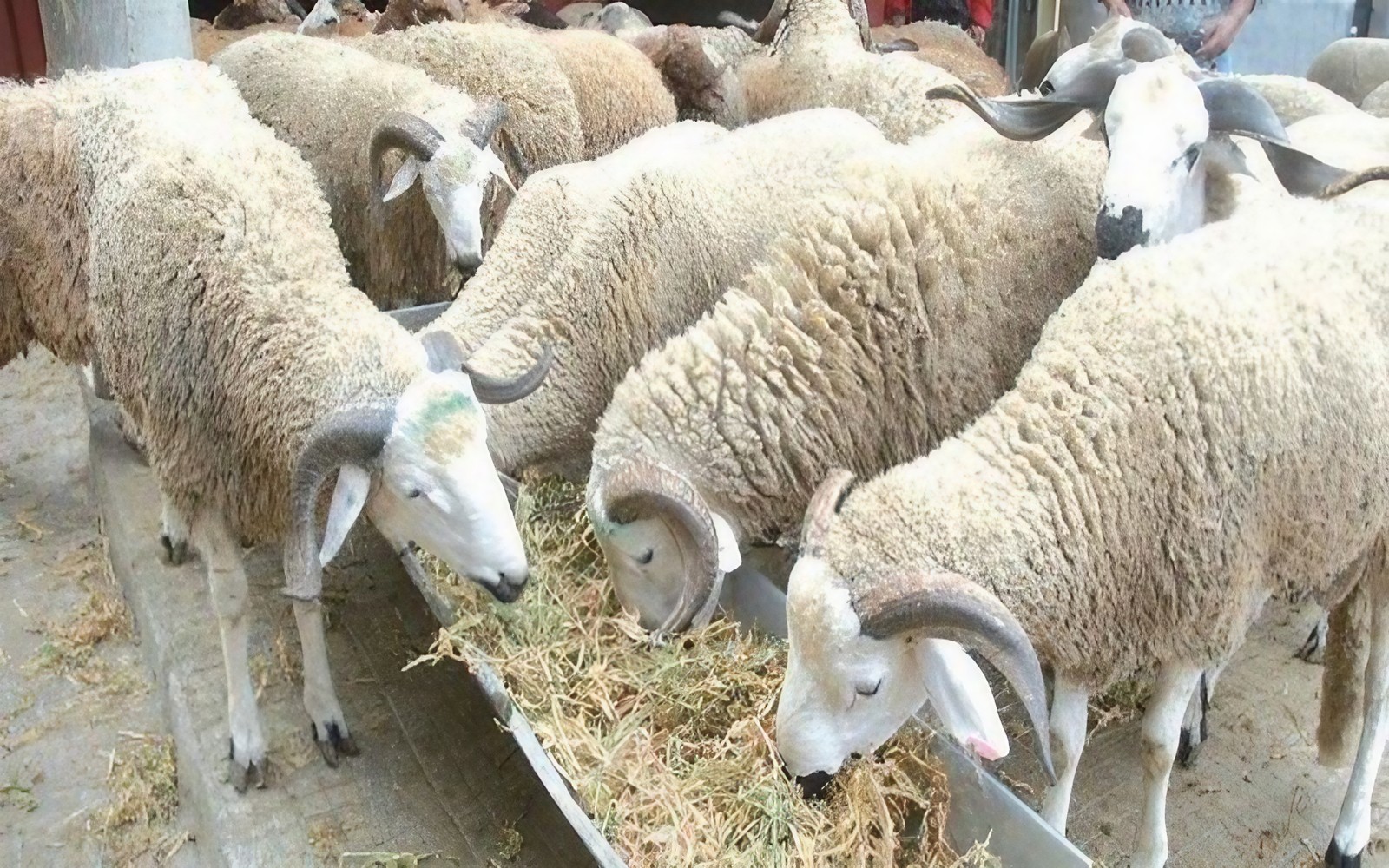
The Ministry of Agriculture, Rural Development and Fisheries detailed the procedure for acquiring imported sheep for Aïd El-Adha 2026 on Thursday. The ministry specified the rules governing this operation, outlining the necessary steps for the acquisition process for this year's observance. This full framework was presented to ensure a smooth and equitable distribution of sacrifice animals, making the sacrifice sheep accessible to citizens.
Registration and Selection Process
The acquisition process for imported sheep involves an SMS convocation, on-site selection, QR code identification, and discounts determined by the payment method. This structured approach aims to streamline the experience for citizens. Citizens register on the adhahi.dz platform and subsequently await their designated turn for the selection process. This initial registration is a key first step in securing an imported sheep, ensuring an organized flow of participants.
Each registered individual receives an SMS notification, detailing the specific date, time, and location for sheep pickup, directing them to the closest available point of sale. This personalized notification system helps manage the flow of individuals and ensures efficient distribution. The distribution of the imported sheep is managed chronologically, contingent on the availability within each wilaya. This chronological order and wilaya-based allocation are designed to optimize accessibility across different regions, ensuring fairness in the distribution process.
Buyers are permitted to choose their sheep from a pre-selected group of animals that have undergone rigorous veterinary controls. This ensures the health and quality of the animals offered to the public, providing assurance to purchasers. At the time of pickup, a QR code located on the animal's identification tag is scanned. This scan links the specific animal to the buyer's identity, formalizing the acquisition and providing a clear record of the transaction. This digital identification system enhances transparency and traceability throughout the process, preventing any potential discrepancies.
Pricing and Payment Incentives
The Ministry outlined specific pricing tiers and payment incentives for the imported sheep. Purchasers paying in cash will acquire a sheep for 50,000 DA. A reduced price of 49,000 DA is offered to those who complete their transaction via an electronic payment terminal, encouraging the use of digital payment methods. The most significant discount is available for online payments, setting the price at 48,000 DA per sheep. This tiered pricing structure offers financial benefits for adopting electronic payment solutions, aligning with national digitalization efforts.
These varying prices are structured to encourage the dematerialization of financial transactions, according to the Ministry's statement. The incentive system aims to streamline the overall acquisition operation, promoting efficiency and reducing reliance on physical cash exchanges during the process. This approach is intended to facilitate a smoother and quicker procurement experience for citizens, aligning with broader efforts to modernize financial systems. The discounts are a direct mechanism to promote this shift away from cash, thereby enhancing operational efficiency.
Ensuring Accessibility and Transparency
The initiative to facilitate the acquisition of imported sheep is a direct result of instructions issued by President Abdelmadjid Tebboune. The President's directives aim to ensure that sacrifice sheep are readily available to citizens through a meticulously organized process. This organizational rigor is coupled with the implementation of regulated prices, designed to make the animals accessible to a broader population. The Ministry stated that these measures show a commitment to transparency and fairness in the distribution and pricing of the sheep for the upcoming Aïd El-Adha 2026. This framework seeks to provide a structured and equitable system for all participants, ensuring that the religious observance can be carried out without undue burden. The full planning and execution reflect the government's dedication to supporting its citizens during important religious periods, ensuring a well-managed and transparent process for all involved.