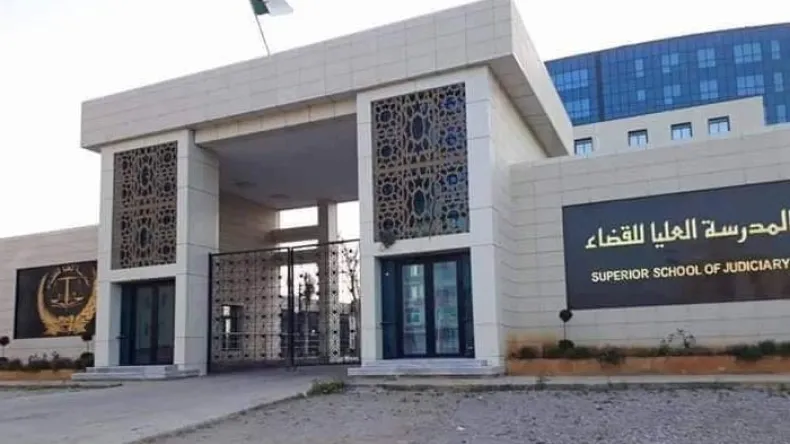
The Ministry of Justice, through the Higher School of Magistracy, announced the organization of a second session of a national competition to recruit 286 judicial students. This significant initiative aims to bolster the ranks of Algeria's judiciary. The competition, which will be based entirely on tests, was detailed in a statement published by the ministry. This official announcement was made public on Sunday evening, July 19, providing aspiring legal professionals with key information regarding the selection process.
Eligibility and Requirements
The competition is open to anyone wishing to join the judiciary and meeting the specified conditions, making it accessible to a wide range of qualified individuals. Eligibility criteria for participation are stringent and include possessing Algerian nationality, a fundamental requirement for service within the national justice system. Candidates must also be between 27 and 40 years of age on the date of the competition, ensuring a balance of maturity and potential career longevity. Academic qualifications are also key, with applicants required to hold a Baccalaureate certificate and a Master's degree in Law or an equivalent qualification recognized by the Ministry of Higher Education and Scientific Research.
Further requirements mandate that candidates provide proof of their legal status regarding national service, a standard condition for public service roles in Algeria. They must also demonstrate both physical and mental fitness suitable for the rigorous demands of judicial duties, ensuring they are prepared for the responsibilities of the role. Additionally, applicants are required to possess full civil and national rights, affirming their standing as law-abiding citizens, and exhibit good conduct, reflecting the high ethical standards expected of magistrates. These full conditions are designed to ensure that only the most qualified and suitable individuals are considered for entry into the magistracy.
Application and Testing Process
Registration for this key judicial recruitment competition will occur in two distinct stages. The initial phase involves online registration, streamlining the preliminary application process for candidates. This will be followed by a final registration process that requires submitting a physical file at the judicial council corresponding to the applicant's place of residence. This two-step approach ensures both efficiency and thoroughness in the application review. The period for initial online registration is scheduled from September 6 to September 17, 2026, providing a clear window for prospective candidates to submit their applications electronically.
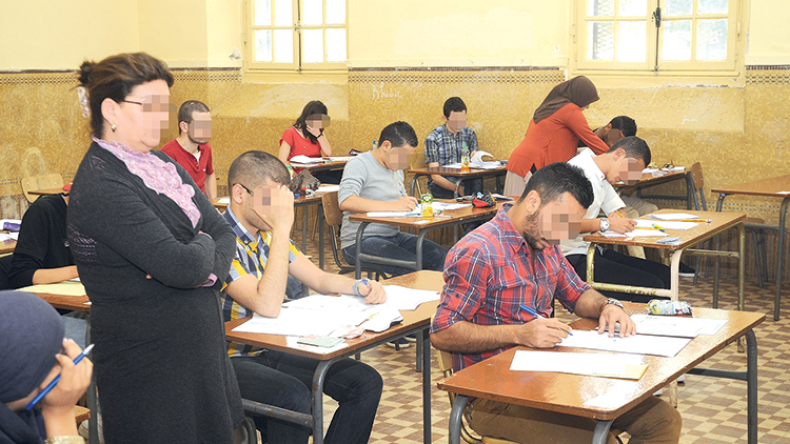
The competition comprises a total of seven tests, meticulously designed to assess various competencies. Five written tests are required for admission to the next stage of the selection process, covering a broad spectrum of legal knowledge and analytical skills. Following success in the written examinations, two oral tests are necessary for final success in the competition, evaluating candidates' communication abilities, legal reasoning, and suitability for judicial roles through direct interaction. The written tests are slated to be held in October 2026, marking a critical phase in the selection journey for aspiring judicial students.
Training and Future Role
Successful candidates in the competition will undergo a full three-year training period. This intensive training will be conducted at the Higher School of Magistracy, the country's premier institution for judicial education, and within various judicial bodies across Algeria. This dual approach ensures that judicial students gain both theoretical knowledge and practical experience, preparing them thoroughly for their future roles within Algeria's justice system. The full program is designed to equip judicial students with the necessary legal knowledge, practical skills, and ethical foundations required for effective service as magistrates.
Throughout the three years, participants will engage in rigorous academic study, delving into complex legal principles, and practical application, observing and participating in real-world judicial processes. This structured learning environment ensures a thorough understanding of judicial procedures, responsibilities, and the intricacies of the law. The curriculum aims to cover diverse aspects of law and jurisprudence, alongside extensive exposure to the daily operations of courts and other legal institutions. This structured approach is intended to foster a new generation of legal professionals capable of contributing significantly to the country's judiciary, upholding justice, and serving the public with integrity and expertise.